Table of Contents
Training an indoor cat requires patience, consistency, and the right motivation. While praise and play have their place, nothing captures a feline’s attention quite like a high-value reward. Freeze-dried treats have revolutionized the way we approach cat training, offering a potent combination of intense flavor, nutritional integrity, and convenience that traditional kibble or baked treats simply can’t match. As we move into 2026, the market has evolved with sophisticated formulations designed specifically for the unique needs of indoor cats—who burn fewer calories and face different health challenges than their outdoor counterparts.
Understanding what makes a freeze-dried treat truly effective for training goes beyond just palatability. The best options balance protein quality, calorie density, texture, and ethical sourcing while respecting your cat’s sensitive digestive system. This guide explores the critical factors you should evaluate before filling your training pouch, ensuring every reward strengthens both behavior and health.
Top 10 Freeze-Dried Cat Treats For Training
Detailed Product Reviews
1. Vital Essentials Chicken Breast Cat Treats, 2.1 oz | Freeze-Dried Raw | Single Ingredient | Grain Free, Gluten Free, Filler Free
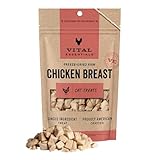
Overview: Vital Essentials Chicken Breast Cat Treats deliver pure, freeze-dried raw chicken breast in a convenient 2.1-ounce package. These single-ingredient treats are crafted for cat owners seeking minimally processed, high-protein rewards without grains, gluten, or fillers. The American-made treats preserve raw nutrition through rapid freezing within 45 minutes of harvest.
What Makes It Stand Out: The 45-minute harvest-to-freeze protocol locks in peak nutrients and freshness, setting these treats apart from competitors. As a single-protein source, they’re ideal for allergy-prone cats or elimination diets. The slow freeze-drying process maintains the natural flavor and nutritional integrity of premium butcher-cut chicken breast without any artificial preservatives or additives.
Value for Money: At 2.1 ounces, this package offers more content than many premium freeze-dried options. While priced higher than conventional treats, the pure chicken content means you’re not paying for fillers. The cost per ounce aligns with other high-end raw treats, but the nutritional density means smaller serving sizes, stretching the value further.
Strengths and Weaknesses: Strengths include exceptional ingredient purity, suitability for sensitive cats, and high palatability. The American sourcing ensures quality control. Weaknesses involve premium pricing that may not fit all budgets, and the crunchy texture might not appeal to every cat. The bag size, while standard for freeze-dried, runs out quickly with multiple cats.
Bottom Line: These treats are an excellent investment for health-conscious cat owners prioritizing ingredient integrity. Perfect for cats with food sensitivities or those on raw diets, they justify their premium price through unmatched purity and nutritional benefits.
2. Vital Essentials Salmon Bites Cat Treats, 1.1 oz | Freeze-Dried Raw | Single Protein | Grain Free, Gluten Free, Filler Free
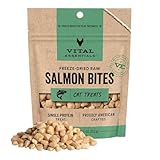
Overview: Vital Essentials Salmon Bites Cat Treats provide freeze-dried raw salmon in a 1.1-ounce package for feline seafood lovers. These single-protein treats deliver omega-3 rich nutrition without grains, fillers, or artificial additives. Responsibly sourced and American-crafted, they cater to cats requiring novel proteins or suffering from common meat allergies.
What Makes It Stand Out: The salmon formula offers natural omega-3 fatty acids that support skin, coat, and cognitive health. Like all Vital Essentials products, the rapid 45-minute harvest-to-freeze process preserves peak freshness. The single-ingredient purity makes these treats invaluable for elimination diets and cats with multiple food sensitivities.
Value for Money: The 1.1-ounce size is modest, making this a premium-priced option per ounce. However, the nutritional density of salmon and its benefits for skin and coat health provide compensating value. For cats needing fish-based proteins, the specialized formulation justifies the cost over chicken alternatives.
Strengths and Weaknesses: Strengths include high omega-3 content, exceptional purity, and suitability for allergy management. The treats are highly palatable for most cats. Weaknesses include the smaller bag size, strong fish odor that some owners find unpleasant, and premium pricing. The salmon can crumble more easily than chicken varieties.
Bottom Line: Ideal for cats with poultry allergies or those needing skin and coat support. While expensive for the quantity, the single-ingredient salmon purity and omega-3 benefits make these treats worth the premium for targeted nutritional needs.
3. Vital Essentials Single Ingredient Chicken Breast Dog Treats, 2.1 oz | Freeze-Dried Raw | Premium Quality High Protein Training Treats | Grain Free, Gluten Free, Filler Free
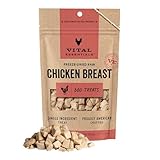
Overview: Vital Essentials Chicken Breast Dog Treats bring the same freeze-dried raw chicken breast formula to canine companions in a 2.1-ounce package. Marketed specifically for dogs, these single-ingredient treats serve as high-value training rewards or nutritious snacks. The grain-free, filler-free composition appeals to owners pursuing raw or limited-ingredient diets for their dogs.
What Makes It Stand Out: The premium butcher-cut chicken breast undergoes the brand’s signature 45-minute harvest-to-freeze process, locking in nutrients and flavor. Unlike many dog treats that contain multiple ingredients and fillers, these maintain absolute purity. Their lightweight, non-greasy texture makes them ideal for pocket training without mess.
Value for Money: The 2.1-ounce size provides reasonable quantity for a training treat, though dogs require larger portions than cats. While expensive compared to conventional biscuits, the 100% chicken content means no filler cost. For dedicated training scenarios where high motivation is needed, the price per use becomes more justifiable.
Strengths and Weaknesses: Strengths include exceptional ingredient purity, high palatability for most dogs, clean handling, and suitability for allergy-prone pets. Weaknesses involve premium pricing that adds up during extensive training, the need to break pieces for smaller dogs, and rapid depletion with large breeds. The bag could be larger for the dog market.
Bottom Line: Excellent for focused training sessions and dogs with dietary restrictions. These treats command a premium but deliver unmatched ingredient integrity. Best reserved for high-value rewards rather than everyday treating due to cost.
4. Vital Essentials Duck Liver Cat Treats, 0.9 oz | Freeze-Dried Raw | Single Ingredient | Grain Free, Gluten Free, Filler Free

Overview: Vital Essentials Duck Liver Cat Treats offer nutrient-dense organ meat in a freeze-dried raw format. This 0.9-ounce package contains single-ingredient duck liver, providing concentrated vitamins and minerals cats would naturally consume. The grain-free, filler-free formula suits cats requiring novel proteins or those with food sensitivities.
What Makes It Stand Out: Organ meats like liver deliver superior nutritional density compared to muscle meat, providing vitamin A, iron, and B vitamins in natural forms. The duck protein offers a novel alternative for cats allergic to chicken or fish. The same rigorous 45-minute freeze protocol ensures nutrient preservation and freshness.
Value for Money: At 0.9 ounces, this is the smallest package in the Vital Essentials line, making it the most expensive per ounce. However, liver’s nutritional potency means tiny portions deliver significant benefits. For cats needing organ meat supplementation or owners seeking rotational feeding variety, the concentrated value offsets the size.
Strengths and Weaknesses: Strengths include exceptional nutrient density, high palatability for picky eaters, novel protein source, and minimal processing. Weaknesses include the tiny package size, strong organ meat odor, premium pricing, and richness that may not suit every cat’s digestive system. The small quantity depletes quickly.
Bottom Line: A premium supplement-style treat perfect for adding nutritional variety or enticing finicky cats. While costly for the amount, the organ meat benefits and single-ingredient purity justify the expense for targeted health goals. Use sparingly as a topper or special reward.
5. Whole Life Cat Just One Salmon Freeze Dried Cat Treats - Human Grade High Protein Food, Healthy Training Snacks, Freeze Dried Salmon Food Toppers, USA Made Natural Treats - 1 oz (Pack of 1)

Overview: Whole Life Cat Just One Salmon Treats deliver human-grade freeze-dried salmon in a 1-ounce package. These single-ingredient treats meet human food safety standards, offering exceptional quality assurance. The versatile formula functions as treats, training rewards, or meal toppers for cats requiring pure, high-protein nutrition without additives.
What Makes It Stand Out: The human-grade certification distinguishes these from pet-grade competitors, ensuring rigorous safety and quality standards. The vacuum-sealed packaging prevents crumbling during shipping. Their versatility as both standalone treats and food toppers provides dual functionality that adds value beyond simple snacking.
Value for Money: The 1-ounce size positions these at a premium price point, comparable to Vital Essentials salmon treats. The human-grade designation and vacuum sealing justify the cost for quality-focused owners. While not cheap, the ability to use them as meal toppers extends their utility beyond typical treat applications.
Strengths and Weaknesses: Strengths include human-grade quality, USA sourcing and production, suitability for sensitive cats, and versatile usage. The natural cutting process creates varied piece sizes that can be customized. Weaknesses include premium pricing, small bag size, and inconsistency in piece dimensions. Some cats may find the texture too dry.
Bottom Line: Ideal for owners demanding the highest quality standards for their cats. The human-grade certification provides peace of mind, while the versatility as treats or toppers adds practical value. Worth the premium for cats with health issues or owners prioritizing ingredient safety above all else.
6. LILSNOOTS Freeze Dried Chicken Treats for Dogs Cats Single Ingredient Raw Chicken Breast Cube Pet Food Training Treats High Protein Low Fat Weight Control Grain&Gluten&Rawhide Free No Additives 4.6oz

Overview: LILSNOOTS delivers a premium freeze-dried chicken treat that caters to both dogs and cats in a 4.6-ounce package. Made exclusively from 100% free-range chicken breast with zero grains, gluten, additives, or preservatives, these cubes appeal to health-conscious pet owners managing sensitive stomachs or food allergies. The brand emphasizes scientific precision in their preservation method, creating a nutrient-dense snack that supports weight control while satisfying carnivorous instincts.
What Makes It Stand Out: The rigorous production process sets this apart—flash-freezing at -40°F followed by 36 hours of vacuum dehydration removes 95% moisture while allegedly preserving 97% of vital nutrients. This technical approach maintains the meat’s cellular structure, creating a porous, crunchy texture that enhances digestibility. The versatility shines through multiple applications: intact cubes for rewarding, broken pieces for training, or crumbled as a meal topper to entice picky eaters.
Value for Money: At 4.6 ounces, this sits in the premium pricing tier, costing more per ounce than conventional treats. However, the value proposition strengthens when considering the dual-species formulation, eliminating need for separate products in multi-pet households. The nutrient retention claims and single-ingredient purity justify the investment for pets with dietary restrictions, though budget-conscious buyers may find the package size limiting for larger dogs.
Strengths and Weaknesses: Strengths include exceptional ingredient purity, high protein content, low-fat profile, and impressive nutrient preservation. The treats work brilliantly for allergy management and weight control. Weaknesses involve the premium price point, potentially excessive crunch for senior pets with dental issues, and rapid consumption by large breed dogs.
Bottom Line: LILSNOOTS excels for owners prioritizing ingredient integrity and digestive health. While not the most economical choice, the scientific approach to preservation and single-ingredient simplicity makes it a worthwhile investment for pets with sensitivities or those requiring strict dietary management.
7. Vital Essentials Rabbit Bites Cat Treats, 0.9 oz | Freeze-Dried Raw | Single Protein | Grain Free, Gluten Free, Filler Free
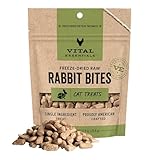
Overview: Vital Essentials Rabbit Bites offer a novel protein solution in a 0.9-ounce package specifically formulated for cats. These freeze-dried raw treats contain only responsibly sourced rabbit, making them an excellent option for felines with common protein allergies or sensitivities. The single-protein, grain-free formulation aligns with ancestral feline diets, providing a biologically appropriate snack that supports overall health.
What Makes It Stand Out: Rabbit serves as a hypoallergenic alternative to chicken or beef, crucial for elimination diets and cats with inflammatory conditions. The brand’s commitment to rapid processing—freezing within 45 minutes of harvest—preserves peak nutritional value. Proudly American-crafted and humanely harvested, these treats contain zero fillers, dyes, or artificial preservatives, appealing to ethically-minded consumers seeking transparency in sourcing.
Value for Money: The 0.9-ounce size commands a premium price per ounce, positioning this as a specialty product rather than daily treat. While expensive for regular use, the value emerges for cats requiring novel proteins for medical reasons. Compared to prescription diets, these treats offer a more affordable way to diversify protein sources, though budget-conscious owners may reserve them for therapeutic purposes.
Strengths and Weaknesses: Strengths include the novel protein source, minimal processing, USA sourcing, and suitability for highly allergic cats. The brand offers the widest variety of single-protein options. Weaknesses center on the tiny package size, high cost per ounce, and cat-specific limitation that excludes multi-pet households with dogs.
Bottom Line: Vital Essentials Rabbit Bites are a top-tier therapeutic treat for cats with protein allergies or extreme pickiness. The premium pricing is justified for medical necessity but prohibitive for casual daily treating. Reserve these for special needs felines rather than routine rewarding.
8. Whole Life Cat Just One Salmon Freeze Dried Cat Treats - Human Grade High Protein Food, Healthy Training Snacks, Freeze Dried Salmon Food Toppers, USA Made Natural Treats - 2.5 oz (Pack of 1)

Overview: Whole Life Cat Just One Salmon treats deliver human-grade freeze-dried salmon in a 2.5-ounce package. Sourced and made in the USA, these single-ingredient treats cater to cats requiring the highest quality standards. With no additives or fillers, they serve as both a protein-packed snack and a meal topper, addressing food sensitivities while appealing to picky felines.
What Makes It Stand Out: The human-grade certification distinguishes this from pet-grade competitors, ensuring production standards equivalent to human food. This commitment to quality extends to gentle processing that preserves salmon’s natural omega-3 fatty acids, supporting skin, coat, and cognitive health. The treats accommodate sensitive digestive systems, making them suitable for cats with inflammatory bowel disease or chronic allergies.
Value for Money: Positioned in the premium segment, the 2.5-ounce package offers moderate value compared to smaller specialty treats. The human-grade designation and USA sourcing justify the higher price point. While more expensive than conventional treats, the quality assurance provides peace of mind for owners of cats with health issues, though the cost may limit daily use for budget-minded households.
Strengths and Weaknesses: Strengths include human-grade quality, single-ingredient simplicity, USA sourcing, and omega-3 nutritional benefits. The versatile sizing allows for easy portioning. Weaknesses involve natural size variation that may frustrate owners seeking uniformity, premium pricing, and the rich salmon content that could cause digestive upset in cats unaccustomed to fish.
Bottom Line: Whole Life Salmon treats represent an excellent choice for owners demanding human-grade quality for their cats. The superior sourcing and gentle processing make it ideal for sensitive cats or those requiring dietary restrictions. While pricey, the quality justifies the investment for health-conscious feline owners.
9. Nutri Bites Freeze Dried Beef Liver Dog & Cat Treats | Healthy Pet Training Treats or Food Topper | All Natural, Single Ingredient, High Protein | Premium Bulk Value Pack, 17.6 oz

Overview: Nutri Bites Freeze Dried Beef Liver treats offer massive bulk value in a 17.6-ounce resealable pouch, serving both dogs and cats. Made from 100% natural beef liver with no grains, additives, or preservatives, these treats target multi-pet households and intensive training scenarios. The single-ingredient formulation supports digestive health while delivering nutrient-dense rewards.
What Makes It Stand Out: The exceptional bulk size distinguishes this from competitors, providing approximately 500 grams of treats at a competitive price point. The brand’s premium freeze-drying process minimizes dust and crumbs, reducing waste and mess. Beef liver offers concentrated vitamins and minerals, supporting immune function, bone health, and reproductive organs more effectively than muscle meat alternatives.
Value for Money: This represents outstanding bulk value, dramatically reducing cost per ounce compared to smaller packages. The large quantity suits trainers, breeders, or families with multiple pets, eliminating frequent repurchasing. While the upfront cost exceeds smaller bags, the per-treat price makes this the most economical high-quality option available, though proper storage becomes critical to maintain freshness.
Strengths and Weaknesses: Strengths include unbeatable bulk pricing, minimal waste, nutrient density, and versatility across species. The resealable pouch extends shelf life. Weaknesses involve the rich liver content requiring portion control to avoid digestive upset, large package size that may lose freshness before completion in single-pet homes, and the common protein source that lacks novelty for allergic pets.
Bottom Line: Nutri Bites Beef Liver excels for high-volume users seeking premium nutrition without premium pricing. The bulk format delivers exceptional value for trainers and multi-pet families. While not suitable for pets with beef allergies, it stands as the most economical high-quality freeze-dried treat for everyday use and intensive training.
10. BLACK FOX Freeze-Dried Chicken Breast Training Treats for Dogs and Cats | 330 Treats, 4oz Single Ingredient, Raw, Healthy, All Natural, Human Grade, Recyclable Packaging

Overview: BLACK FOX Freeze-Dried Chicken Breast treats provide precisely portioned training rewards in a 4-ounce package containing 330 individual treats. Designed for both dogs and cats, these single-ingredient, human-grade treats support weight control at less than 2 calories per piece. The grain-free, additive-free formulation appeals to owners managing dietary restrictions while maintaining training motivation.
What Makes It Stand Out: The meticulous portion control sets this apart, with uniform small squares enabling precise calorie management during repetitive training sessions. The human-grade certification ensures quality standards exceed typical pet treats, while recyclable packaging addresses environmental concerns. With over 80% protein content, these treats deliver substantial nutritional impact despite low caloric density.
Value for Money: The 330-treat count in a 4-ounce package offers competitive value for training-specific applications. While priced similarly to other premium freeze-dried treats, the high piece count extends usage through training sessions. The value proposition strengthens for weight management programs requiring frequent low-calorie rewards, though the chicken breast premium makes it costlier than organ meat alternatives.
Strengths and Weaknesses: Strengths include precise portion sizing, low calorie count, human-grade quality, recyclable packaging, and suitability for all life stages. The uniform shape aids consistent training. Weaknesses involve chicken as a common allergen limiting applicability, potentially undersized pieces for large breed dogs, and lack of protein variety for rotational feeding strategies.
Bottom Line: BLACK FOX Chicken Breast treats are ideal for dedicated trainers and weight management programs requiring precise calorie control. The uniform sizing and low calorie count make them perfect for repetitive rewarding. While unsuitable for chicken-allergic pets, they represent a smart choice for owners prioritizing portion control and environmental responsibility in their training regimen.
Why Freeze-Dried Treats Dominate Modern Cat Training
The High-Value Reward Principle
Cats are opportunistic hunters by nature, and their motivation during training sessions directly correlates with the perceived value of their reward. Freeze-dried treats tap into this instinct by delivering concentrated protein that mimics the nutritional profile of fresh prey. Unlike extruded treats that lose aroma and flavor during high-heat processing, freeze-dried morsels retain the volatile compounds that trigger your cat’s predatory response. This makes them particularly effective for shaping complex behaviors or maintaining focus in distracting environments.
The Minimal Ingredient Advantage
Modern training philosophy emphasizes clarity—both for the handler and the animal. When you reward with a treat containing 20+ ingredients, you introduce variables that can complicate identifying food sensitivities or digestive issues. Freeze-dried single-ingredient treats eliminate this guesswork, allowing you to isolate exactly what your cat consumes. This simplicity becomes invaluable when you’re providing multiple rewards throughout a training session.
The Science Behind Freeze-Drying: Nutrient Preservation Explained
Subzero Dehydration Process
Freeze-drying operates through sublimation, where frozen water transitions directly from solid to gas without becoming liquid. This occurs under vacuum pressure at temperatures between -40°F and -50°F. The process preserves cellular structure, maintaining the integrity of amino acids, enzymes, and heat-sensitive vitamins that are typically destroyed during conventional cooking methods. For indoor cats who may have limited dietary variety, maximizing nutrient retention in treats becomes a critical health consideration.
Bioavailability Benefits
The gentle preservation method ensures proteins remain in their native state, meaning your cat’s digestive system can break them down more efficiently. This enhanced bioavailability translates to better utilization of essential amino acids like taurine and methionine, which support heart health and coat quality—common concerns for less active indoor felines. When evaluating treats, look for manufacturers that provide information about their freeze-drying cycle duration and temperature controls.
Indoor Cat Metabolism: Why Calorie Density Matters
The Sedentary Lifestyle Factor
Indoor cats typically expend 20-40% fewer calories than outdoor cats, yet their treat intake during training can quickly accumulate. A single freeze-dried chicken liver might contain 3-4 calories, while a comparable-sized baked treat could hold 8-10 calories due to carbohydrate fillers. Over a 15-minute training session with 20 rewards, you’re looking at a difference of 100+ calories—significant for a 10-pound cat that only needs 200-250 calories daily.
Strategic Calorie Allocation
Effective trainers think of treats as part of the daily food budget, not as extras. The most sophisticated 2026 formulations now include calorie-per-piece information on packaging. Aim for treats that provide no more than 10% of your cat’s daily caloric intake during training sessions. For a typical indoor cat, this means selecting treats under 5 calories each if you plan to use more than 10-15 per session.
Protein Quality: Muscle Meat vs. By-Products
Anatomical Source Transparency
Not all proteins are created equal. Muscle meat—such as breast, thigh, or tenderloin—provides complete amino acid profiles with high digestibility. Some treats use organ meats, which offer nutritional benefits but should be balanced. The key is avoiding ambiguous “meat meal” or “animal by-products” where the source animal and anatomical part remain unspecified. Premium 2026 formulations increasingly specify not just the protein type but the cut, such as “freeze-dried turkey breast” versus “freeze-dried poultry.”
Protein Percentage Reality Check
While many packages boast “90% protein,” this figure often represents the percentage of calories from protein, not the composition by weight. A truly high-quality freeze-dried treat should contain 70-80% protein by dry matter weight. Anything significantly lower likely contains added carbohydrates or binders. Learn to calculate dry matter basis: subtract the moisture percentage from 100, then divide the protein percentage by that number and multiply by 100.
Treat Size and Texture: The Perfect Training Reward Dimensions
The One-Bite Rule
Training momentum dies when cats must stop to chew extensively. Ideal training treats should be no larger than ¼ inch in any dimension—small enough to swallow in one bite. Some manufacturers now produce “training cut” sizes specifically for this purpose. If your chosen treat is larger, invest in a pill cutter or kitchen shears to portion them appropriately. The goal is instant gratification that keeps your cat’s focus on the next cue, not on mastication.
Texture Variations and Their Uses
Freeze-dried treats range from powdery and crumbly to dense and crunchy. Crumbly textures work well for scatter feeding or as food toppers but create mess and distraction during formal training. Denser textures provide satisfying mouthfeel without producing debris. For cats with dental issues, slightly softer freeze-dried options can be rehydrated with a drop of water, though this reduces convenience.
Limited Ingredient Philosophy: Less Is More for Sensitive Cats
The Elimination Diet Principle
Indoor cats develop food sensitivities more frequently than outdoor cats, possibly due to reduced gut microbiome diversity. When using treats for training, you’re exposing your cat to ingredients repeatedly. The limited ingredient approach—typically one protein, zero to two additional components—mirrors the gold standard of veterinary elimination diets. This makes it easier to identify culprits if skin, digestive, or behavioral issues arise.
Functional Additives: Necessary or Nuisance?
Some 2026 formulations incorporate beneficial additives like probiotics, omega-3 fatty acids, or joint-supporting compounds. While these may offer health benefits, they complicate the purity of the treat for training purposes. Unless your cat has a specific therapeutic need, prioritize treats with zero additives for training sessions. Save the functional treats for occasional supplementation outside training contexts.
Common Allergens to Screen in 2026 Formulations
The Usual Suspects: Proteins
Chicken remains the most common feline allergen, despite being the most prevalent treat base. Turkey, duck, and rabbit often serve as novel proteins for sensitive cats. However, cross-contamination in manufacturing facilities can trigger reactions. Look for brands that certify their production lines as single-protein or that conduct batch testing for allergen residues. The 2026 standard includes more rigorous allergen labeling, but certification seals provide additional assurance.
Hidden Allergens in “Simple” Treats
Even single-protein treats can contain hidden allergens if the source animal was fed allergenic ingredients. Grass-fed, pasture-raised sourcing reduces this risk. Additionally, some freeze-dried treats use anti-caking agents like silicon dioxide or natural preservatives like mixed tocopherols. While generally safe, these can affect ultra-sensitive cats. The cleanest options contain literally one ingredient: the protein itself.
Palatability Factors: Aroma, Taste, and Mouthfeel
The Scent Activation Window
Cats possess 200 million odor sensors compared to a human’s 5 million. Freeze-dried treats release volatile organic compounds when handled or broken, creating an aroma cloud that triggers interest. The strongest scent activation occurs within 30 seconds of opening a container. For maximum training effectiveness, portion treats into small containers that you open fresh for each session rather than using a large bag that loses aroma over time.
Umami and Amino Acid Complexity
The savory taste cats crave stems from nucleotides and amino acids preserved during freeze-drying. Treats made from whole prey or those that include small amounts of organ meat with muscle meat provide a more complex umami profile than pure muscle meat alone. This complexity can sustain interest longer during extended training sessions, preventing treat fatigue when working on challenging behaviors.
Packaging Innovations: Maintaining Peak Freshness
Oxygen Barrier Technology
The biggest enemy of freeze-dried treats is oxygen, which causes lipid oxidation and nutrient degradation. Leading 2026 packaging employs multi-layer films with oxygen transmission rates below 1 cc/m²/day. Some incorporate oxygen absorbers that change color when saturated, giving visual confirmation of freshness. Resealable packages with zip-lock closures and integrated desiccant pouches represent the current standard.
Transparent Windows: Friend or Foe?
While clear packaging windows allow you to see treat quality, they also expose contents to light, accelerating nutrient breakdown. Premium brands now use UV-blocking transparent films or limit window size. If you purchase treats in fully transparent bags, transfer them to opaque, airtight containers immediately after opening. Amber glass jars with rubber gaskets provide ideal long-term storage.
Sustainable and Ethical Sourcing in 2026
Traceability and Farm Partnerships
Modern consumers demand supply chain transparency. Leading manufacturers now provide QR codes linking to the specific farm or fishery source, often with welfare certification videos. For indoor cats, whose environmental paw print is already minimal, ethical sourcing becomes a primary way owners align pet care with values. Look for certifications like Global Animal Partnership or Marine Stewardship Council when selecting proteins.
Insect Protein Emergence
Cricket and black soldier fly larvae treats have entered the mainstream freeze-dried market in 2026. These proteins require 2,000 times less water and produce 100 times fewer greenhouse gases than beef. While novel, they provide complete amino acid profiles and are highly palatable for many cats. The indoor cat community has embraced these as sustainable alternatives, especially for environmentally conscious owners.
Cost Per Training Session: True Value Calculation
Beyond Price Per Ounce
A $30 bag containing 4 ounces might seem expensive compared to a $15 8-ounce bag, but calorie density and piece count tell the real story. Calculate cost per treat by dividing package price by the number of training-sized pieces. A dense, high-quality treat that can be broken into smaller portions often provides better value than cheaper, bulkier alternatives. Factor in waste from crumbled treats and resealability that prevents spoilage.
Subscription and Bulk Economics
Many 2026 brands offer subscription services with 15-20% discounts. However, freeze-dried treats have finite shelf lives even unopened—typically 12-18 months. For a single cat household, purchase quantities you can use within 6 months to ensure peak freshness. Multi-cat households can benefit from bulk bags with resealable closures, but should still calculate usage rates to avoid nutrient degradation over time.
Proper Storage: Extending Shelf Life After Opening
The 30-Day Rule
Once opened, freeze-dried treats begin absorbing atmospheric moisture and oxygen. Most manufacturers recommend using contents within 30 days for optimal palatability and safety. In humid climates, this window shrinks to 14 days. Divide large bags into weekly portions stored in vacuum-sealed containers, keeping the main supply frozen until needed. This approach maintains training consistency without waste.
Refrigeration: Yes or No?
Refrigeration seems logical but introduces condensation when treats return to room temperature. This moisture can cause clumping and microbial growth. Instead, store treats in cool, dark pantries in airtight containers with fresh oxygen absorbers. If you must refrigerate due to climate, allow the sealed container to reach room temperature before opening to prevent moisture ingress.
Training Timing: When and How Often to Reward
Pre-Meal Training Windows
The optimal training window is 2-3 hours before your cat’s regular meal, when hunger motivation peaks but your cat isn’t irritable from prolonged fasting. Avoid training immediately after meals when food motivation is lowest. For cats on free-feeding schedules (which complicates training), remove food 3-4 hours before scheduled training sessions to establish predictable motivation cycles.
Reward Schedules and Satiation
Continuous rewarding during skill acquisition is essential, but satiation can occur within 5-10 minutes for some cats. Watch for decreased enthusiasm, slower response times, or treat rejection—these signal satiation. Switch to variable ratio reinforcement (rewarding every 2-3 correct responses) once behaviors are learned to maintain motivation while reducing calorie intake. This approach also builds stronger, more resilient behaviors.
Transitioning Between Treat Types Safely
The Gradual Introduction Protocol
Never switch training treats abruptly. Introduce new options over 5-7 days, starting with 90% familiar treats and 10% new. This allows your cat’s gut microbiome to adapt and lets you monitor for adverse reactions without derailing training progress. Keep a “treat diary” noting stool quality, energy levels, and skin condition during transitions.
Rotation for Long-Term Engagement
Cats develop treat fatigue just like flavor fatigue with regular food. Rotating between 2-3 high-quality proteins prevents this boredom while providing nutritional variety. However, maintain one consistent “jackpot” treat reserved for breakthrough moments—this creates a super-high-value reward that maintains its special status through rarity. The jackpot treat should be the feline equivalent of filet mignon: something your cat never receives except for exceptional performance.
Frequently Asked Questions
How many freeze-dried treats can I give my indoor cat during a 15-minute training session?
For most indoor cats, limit training treats to 10-15 pieces per session, ensuring they don’t exceed 10% of daily caloric intake. A typical session should involve no more than 30-45 calories total. Adjust based on your cat’s size, activity level, and regular meal portions.
Are freeze-dried treats safe for cats with chronic kidney disease?
Always consult your veterinarian first. Many freeze-dried treats are high in phosphorus due to their protein concentration. Some 2026 formulations are specifically low-phosphorus for renal support, but these require veterinary approval and careful integration into the therapeutic diet.
Why does my cat only like one brand of freeze-dried treats?
Cats imprint on specific textures, aromas, and protein sources during kittenhood. This preference is reinforced by consistent reward history. While you can broaden their palate through gradual introduction and pairing with high-value activities, some cats remain brand-loyal due to these deep-seated preferences.
Can I use freeze-dried treats as a complete meal replacement?
No. While nutritionally dense, freeze-dried treats lack the complete vitamin-mineral premixes found in balanced cat foods. Using them as meals creates dangerous deficiencies, particularly in taurine, vitamin E, and B vitamins. Treats should never exceed 10% of total daily caloric intake.
How do I know if freeze-dried treats have gone bad?
Rancid treats develop a noticeably fishy or sour smell despite no fish content. Color may darken unevenly, and texture becomes either excessively hard or strangely soft. If treats clump together or feel damp, discard them immediately as moisture creates botulism risk.
Are there any cats who shouldn’t have freeze-dried treats?
Cats with severe food allergies, certain gastrointestinal disorders, or those on elimination trials should avoid treats unless specifically approved by a veterinarian. Additionally, cats prone to hyperlipidemia or pancreatitis may need fat-restricted options.
What’s the difference between freeze-dried and dehydrated treats?
Dehydration uses heat (typically 120-140°F) which denatures proteins and reduces palatability. Freeze-drying preserves raw nutritional profiles through sublimation. Dehydrated treats are often chewier and less aromatic, making them lower-value for training purposes.
Should I rehydrate freeze-dried treats for training?
Generally no—rehydration reduces convenience and eliminates the satisfying crunch that many cats prefer. Only rehydrate for cats with dental pain or those who refuse dry textures. Use minimal water (just a few drops) to maintain treat integrity.
How do I transport freeze-dried treats without making a mess?
Use silicone treat pouches with magnetic closures or small metal tins with tight-fitting lids. Avoid plastic baggies that create static and cause treats to cling. Portion daily amounts into individual containers each morning to maintain freshness and prevent contamination.
Are exotic proteins like kangaroo or alligator worth the premium price for training?
For most cats, no. Traditional proteins like turkey or rabbit provide excellent novel alternatives at lower costs. Exotic proteins are beneficial only for cats with multiple confirmed allergies who’ve reacted to more common options. The training value doesn’t increase with exoticism—palatability and your cat’s individual preference matter far more than rarity.
See Also
- 10 Freeze-Dried Cat Treats Recommendations for Indoor Cats in 2026
- 10 Affordable Freeze-Dried Cat Treats for Training That Don’t Sacrifice Quality in 2026
- We Tested 50 Freeze-Dried Cat Treats - Here are the 10 Best for Training
- DIY Trail Mix: Combining Freeze-Dried Duck & Turkey Treats for Clicker-Training on the Go
- The 10 Ultimate Best Freeze-Dried Cat Treats for Training in 2026