Table of Contents
Bringing home your first kitten is a thrilling milestone—tiny paws, curious eyes, and endless energy make every moment magical. But amid the excitement, one responsibility stands out: feeding your new feline companion properly. Nutrition in the first year of a cat’s life sets the foundation for long-term health, influencing everything from immune function to cognitive development and joint strength. Choosing the right kitten food isn’t just about filling a bowl—it’s about fueling growth, supporting organ development, and preventing future health issues.
Unfortunately, the pet food aisle can feel overwhelming. With labels boasting terms like “grain-free,” “organic,” “high-protein,” and “raw-inspired,” it’s easy to feel lost. As a first-time cat owner, you need clarity—not marketing jargon. This guide cuts through the noise, helping you understand the science behind kitten nutrition, the key factors to consider when selecting food, and how to tailor your choices to your kitten’s unique needs.
Top 10 Kitten Food For First-Time Owners
Detailed Product Reviews
1. Purina ONE High Protein, Natural Dry Kitten Food, +Plus Healthy Kitten Formula - 7 lb. Bag

Overview:
Purina ONE High Protein Dry Kitten Food is designed to support the developmental needs of growing kittens with real chicken as the primary ingredient. This formula emphasizes muscle growth, immune support, and overall vitality through a carefully balanced blend of nutrients.
What Makes It Stand Out:
The inclusion of DHA—naturally found in mother’s milk—promotes healthy brain and vision development, while four antioxidant sources bolster immunity. The SmartBlend of high-quality ingredients ensures 100% complete and balanced nutrition without artificial flavors or preservatives. Added calcium supports strong teeth and gums.
Value for Money:
At a mid-tier price point, this 7 lb. bag delivers consistent quality from a trusted, veterinarian-recommended brand made in U.S. facilities. Its nutrient density means less is needed per feeding, extending value over time compared to lower-protein alternatives.
Strengths and Weaknesses:
Strengths: High protein content, DHA-enriched, digestible formula, no artificial additives, supports dental health.
Weaknesses: Contains grains (some pet owners prefer grain-free), may not appeal to kittens with strong preferences for wet food.
Bottom Line:
A reliable, nutritionally sound dry food choice for kittens, Purina ONE delivers essential nutrients for growth and development with consistent quality and safety standards.
2. Tiki Cat Baby, Shreds Variety Pack, High-Protein and Flavorful, Wet Cat Food for Kittens 8 Weeks Plus, 2.4 oz. Cans (Pack of 12)

Overview:
Tiki Cat Baby Shreds is a premium wet kitten food variety pack formulated for kittens 8 weeks and older. With high-protein, grain-free recipes in a tender shredded texture, it’s designed to support early growth and transition from母乳.
What Makes It Stand Out:
Each recipe features real meat or fish as the first ingredient, delivering high protein and fat levels critical for developing kittens. The inclusion of DHA supports cognitive and visual development, while added taurine and balanced minerals promote heart and bone health. Prebiotics aid gentle digestion.
Value for Money:
Though pricier than mainstream brands, the 12-can pack offers variety and high-quality ingredients that justify the cost for owners prioritizing premium nutrition. The small can size reduces waste and suits young kittens’ appetites.
Strengths and Weaknesses:
Strengths: High protein, DHA and taurine enriched, grain-free, excellent texture for weaning kittens, no artificial additives.
Weaknesses: Higher price point, limited quantity per can requires frequent purchasing.
Bottom Line:
Tiki Cat Baby Shreds is an outstanding choice for caregivers seeking nutrient-dense, palatable wet food to support healthy kitten development with minimal fillers.
3. IAMS Proactive Health Healthy Kitten Dry Cat Food with Chicken, 7 lb. Bag

Overview:
IAMS Proactive Health Healthy Kitten Dry Cat Food is a well-rounded formula crafted to support kittens’ rapid growth with real chicken as the primary ingredient and zero fillers.
What Makes It Stand Out:
This formula emphasizes whole-body health with balanced nutrition, including antioxidants for immune support, natural fiber and prebiotics for digestion, and an optimal omega-6 to omega-3 ratio for skin and coat health. It also supports heart function with essential nutrients like calcium and potassium.
Value for Money:
Priced affordably for a premium kitten formula, the 7 lb. bag offers long-lasting use with high nutrient density. IAMS’s consistent quality and U.S. manufacturing enhance its value proposition compared to store brands.
Strengths and Weaknesses:
Strengths: Supports digestion, promotes shiny coat, heart-healthy nutrients, no fillers, easy transition to adult food.
Weaknesses: Contains chicken by-product meal, may be less appealing to picky eaters than wet food options.
Bottom Line:
IAMS Proactive Health is a nutritious, cost-effective dry kitten food that supports comprehensive development with science-backed ingredients.
4. Purina Fancy Feast Tender Ocean Whitefish, Turkey, Chicken and Salmon Feasts Wet Kitten Food Variety Pack - (Pack of 24) 3 oz. Boxes

Overview:
The Purina Fancy Feast Tender Feasts Variety Pack offers 24 servings of gourmet wet kitten food made with real ocean whitefish, turkey, chicken, and salmon—crafted specifically for kittens’ nutritional needs.
What Makes It Stand Out:
Each flavor features high-quality protein sources with no artificial colors or preservatives. Developed with Purina nutritionists, this formula delivers 100% complete and balanced nutrition in a palatable, tender texture that appeals to young kittens.
Value for Money:
While not the most nutrient-dense option on the market, the large pack size and widespread availability make it a convenient and reasonably priced choice for caregivers seeking variety and kitten-approved taste.
Strengths and Weaknesses:
Strengths: Variety of flavors, real meat ingredients, no artificial additives, convenient packaging, appealing texture.
Weaknesses: Lower protein concentration than premium brands, higher moisture content may require larger volume for caloric needs.
Bottom Line:
A tasty, accessible wet food option for kittens, Fancy Feast Tender Feasts combines flavor variety with basic nutritional support for healthy growth.
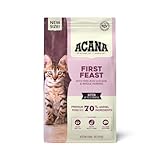
5. ACANA Dry Cat Food for Kittens First Feast Chicken and Fish 7lb Bag
Overview:
ACANA First Feast is a premium grain-free dry kitten food featuring fresh or raw free-run chicken and whole herring, formulated to mirror a kitten’s natural diet with biologically appropriate ingredients.
What Makes It Stand Out:
With 70% animal-based ingredients, this high-protein kibble supports muscle and bone development. It includes balanced omega-3 and omega-6 fatty acids for skin and coat health, plus taurine, EPA, and DHA for eye and heart function. Free of grains, soy, corn, and artificial additives, it prioritizes clean nutrition.
Value for Money:
Higher priced than mainstream brands, but justifiable given the quality of ingredients—sourced globally and made in the USA. The nutrient density means smaller portions are needed, improving long-term value.
Strengths and Weaknesses:
Strengths: High animal protein, grain-free, rich in DHA and taurine, transparent sourcing, no fillers or artificial ingredients.
Weaknesses: Premium price, may be too rich for sensitive stomachs, limited availability in some regions.
Bottom Line:
ACANA First Feast is an excellent choice for owners seeking a biologically appropriate, high-protein, grain-free diet to fuel optimal kitten growth and development.
6. Sheba Perfect Portions Kitten Wet Cat Food Pate Chicken Entree, Salmon Entree, and Turkey Entree, 2.6 oz. Twin-Pack Trays (24 Count, 48 Servings)

Overview:
Sheba Perfect Portions Kitten Wet Food offers a convenient and nutritious meal solution for growing kittens. This 24-count pack provides 48 individual servings in twin-tray format, featuring chicken, salmon, and turkey entrees. Designed specifically for kittens, this pâté-style food delivers balanced nutrition in small, portion-controlled trays that are ideal for young cats.
What Makes It Stand Out:
The standout feature is its focus on early development—formulated with DHA for brain growth, real meat as the primary ingredient, and essential amino acids. The soft texture is perfect for tiny mouths transitioning to solid food, and the inclusion of vitamin E supports immune health. The variety pack keeps mealtime exciting.
Value for Money:
While pricier per ounce than some competitors, the portion control minimizes waste and ensures freshness. The high-quality ingredients and developmental benefits justify the cost for pet owners prioritizing nutrition.
Strengths and Weaknesses:
Strengths: Excellent texture for kittens, DHA-enriched, no fillers, convenient trays. Weaknesses: Small portion size may not suffice for larger or rapidly growing kittens; foil trays contribute to waste.
Bottom Line:
A premium, palatable choice for kitten feeding—ideal for small portions and picky eaters. Highly recommended for early-stage nutrition.
7. Blue Buffalo Baby Blue Natural Kitten Dry Cat Food, Healthy Growth Formula with DHA, Chicken and Brown Rice Recipe, 2-lb Bag

Overview:
Blue Buffalo’s Baby Blue is a nutrient-rich dry kitten food designed to support healthy development. With real chicken as the first ingredient, this formula emphasizes high-quality protein and essential nutrients to fuel growth, cognitive function, and immunity in young cats.
What Makes It Stand Out:
It features DHA from DHA-rich sources to support brain and vision development. The inclusion of LifeSource Bits—a blend of antioxidants, vitamins, and minerals—boosts immune health. Free from corn, wheat, soy, and poultry by-products, it prioritizes clean, natural ingredients.
Value for Money:
The 2-lb bag is best suited for sampling or short-term use. While more expensive than basic brands, the premium ingredients and developmental focus offer strong value for health-conscious owners.
Strengths and Weaknesses:
Strengths: High-quality protein, DHA for brain development, LifeSource Bits, no artificial fillers. Weaknesses: Small bag size; some kittens may find the kibble size challenging to chew.
Bottom Line:
A top-tier dry food option for kittens requiring wholesome nutrition. Recommended for owners seeking clean ingredients and cognitive support.
8. Blue Buffalo Wilderness Kitten Food, High-Protein & Grain-Free Wet Cat Food Paté Variety Pack, Chicken & Salmon Recipes, 3-oz Cans (6 Count, 3 of Each)

Overview:
Blue Buffalo Wilderness offers a grain-free, high-protein wet food variety pack tailored for kittens. Featuring real chicken and salmon as the first ingredients, this 6-can pack delivers hydration and essential nutrients in a palatable pâté form.
What Makes It Stand Out:
The high moisture content supports daily hydration, crucial for kittens prone to urinary issues. It includes DHA for cognitive development and LifeSource Bits for immune support. The grain-free, by-product-free formula appeals to owners avoiding fillers.
Value for Money:
Priced moderately for premium wet food, it offers excellent nutrition in small volume. Ideal as a supplement or full meal for small kittens, though larger ones may need additional servings.
Strengths and Weaknesses:
Strengths: High moisture, real meat first, DHA enriched, grain-free, supports immunity. Weaknesses: Limited quantity per pack; cans may be less convenient than trays.
Bottom Line:
A nutritious, hydrating option for kittens—especially beneficial when mixed with dry food. Highly recommended for promoting healthy development.
9. Blue Buffalo Wilderness Natural Kitten Dry Cat Food, with DHA and ARA to Support Brain and Eye Development, High-Protein and Grain-Free Diet, Chicken, 5-lb. Bag

Overview:
Blue Buffalo Wilderness Kitten Dry Food is a grain-free, high-protein formula designed to support brain, eye, and physical development. Real chicken leads the ingredient list, backed by DHA and ARA for cognitive and visual health in growing kittens.
What Makes It Stand Out:
The inclusion of DHA and ARA—critical fatty acids for neural development—sets this apart. LifeSource Bits enhance immunity with antioxidants, while the grain-free, by-product-free formulation ensures clean nutrition. The 5-lb bag offers better value than smaller sizes.
Value for Money:
Competitively priced for a premium grain-free kitten food. The larger bag is economical for long-term feeding, especially for owners committed to high-protein, natural diets.
Strengths and Weaknesses:
Strengths: Supports brain and eye development, high protein, LifeSource Bits, no fillers. Weaknesses: Grain-free diets aren’t necessary for all kittens; some may prefer flavored kibble.
Bottom Line:
An excellent choice for owners seeking a nutrient-dense, grain-free dry food to support comprehensive kitten development. Strongly recommended.
10. IAMS Proactive Health Healthy Kitten Dry Cat Food with Chicken, 3.5 lb. Bag

Overview:
IAMS Proactive Health Kitten Food is a scientifically formulated dry food that supports whole-body growth. With real chicken as the primary ingredient, it delivers balanced nutrition to aid digestion, skin health, immunity, and heart development in kittens.
What Makes It Stand Out:
It features an optimal Omega 6:3 fatty acid ratio for skin and coat health, prebiotics for digestion, and essential minerals like calcium and potassium for heart strength. Free from fillers, it offers complete nutrition with a focus on long-term wellness.
Value for Money:
Affordable compared to premium brands, the 3.5-lb bag offers excellent value for budget-conscious owners. It delivers proven nutritional benefits without the high price tag.
Strengths and Weaknesses:
Strengths: Supports digestion, heart, skin, and coat; affordable; no fillers. Weaknesses: Contains corn gluten meal; less emphasis on DHA than competitors.
Bottom Line:
A reliable, cost-effective choice for balanced kitten nutrition. Recommended for owners seeking science-backed, holistic development support.
Why Kitten Nutrition Matters More Than You Think
Kittens grow rapidly during their first year, increasing their body weight up to 20 times from birth. This explosive development requires a nutrient-dense diet that supports muscle growth, brain function, and immune resilience. Unlike adult cats, kittens have higher caloric needs per pound of body weight and specific requirements for certain vitamins and minerals. Feeding an adult cat formula to a kitten can lead to developmental delays, weakened immunity, and even organ strain.
The first 12 months are also critical for establishing lifelong eating habits. Introducing a balanced, palatable diet early helps prevent picky eating behaviors later. More importantly, proper nutrition reduces the risk of common issues like urinary crystals, digestive upset, and poor coat quality.
Understanding Your Kitten’s Nutritional Requirements
Protein: The Building Block of Growth
Cats are obligate carnivores, meaning they require nutrients found almost exclusively in animal tissues. For kittens, this need is amplified. High-quality animal-based proteins supply essential amino acids like taurine and arginine, which are vital for heart health, vision, and muscle development. A diet lacking in adequate protein can lead to stunted growth and weakened immunity.
Look for foods where real meat—such as chicken, turkey, or salmon—is the first ingredient. Plant-based proteins don’t provide the full amino acid profile kittens need, so they should play a minor role, if any.
Fats and Fatty Acids for Brain and Vision
Fats aren’t just about energy—they’re crucial for brain development and eye health. DHA (docosahexaenoic acid), an omega-3 fatty acid found in fish oil and some animal fats, is especially important during early development. Studies show kittens fed diets rich in DHA exhibit improved learning ability and visual acuity.
Omega-6 fatty acids also play a role in maintaining healthy skin and a shiny coat. The balance between omega-3 and omega-6 is key—a skewed ratio can contribute to inflammation or skin issues.
Vitamins and Minerals: The Invisible Essentials
Calcium and phosphorus are critical for developing strong bones and teeth. However, the ratio between the two is just as important as the amount—imbalances can lead to skeletal deformities, especially in large-breed kittens. Vitamins A, D, and E support vision, immune function, and cellular protection, while B-complex vitamins aid in energy metabolism.
Iron, zinc, and copper are trace minerals that support red blood cell formation and enzyme function. Because kittens are growing so quickly, deficiencies in any of these can have lasting consequences.
Dry vs. Wet Food: What’s Best for Kittens?
The Case for Wet Kitten Food
Wet food typically contains 70–80% moisture, which helps keep kittens hydrated—especially important since cats naturally have a low thirst drive. Dehydration is a risk factor for urinary tract issues, which can begin surprisingly early. Wet food is also easier for young kittens to chew and digest, making it ideal for weaning and small mouths.
Additionally, canned formulas often contain higher concentrations of animal protein and fewer carbohydrates than dry kibble, aligning more closely with a cat’s natural diet.
The Role of Dry Kitten Food
Dry food offers convenience, longer shelf life, and dental benefits—some kibble is designed to reduce plaque buildup. It’s easier to free-feed (in moderation) and works well in puzzle feeders or automatic dispensers. However, many kibble formulas contain higher levels of carbohydrates to maintain structure, which isn’t ideal for obligate carnivores.
A mixed-feeding approach—offering both wet and dry food—can provide the best of both worlds: hydration and palatability from wet food, and convenience and texture variety from kibble.
Decoding Pet Food Labels: What to Look For
Ingredient List Order and Quality
Ingredients are listed by weight before cooking, so the first few items make up the bulk of the food. Prioritize products where named animal proteins (e.g., “chicken,” “salmon”) appear at the top. Avoid vague terms like “meat by-products” or “poultry meal” unless they’re backed by transparent sourcing.
Beware of ingredient splitting—a tactic where manufacturers list multiple forms of the same ingredient (e.g., corn gluten, corn meal, corn bran) to push them down the list. This can make a high-carb food appear protein-rich.
AAFCO Statements: The Gold Standard
The Association of American Feed Control Officials (AAFCO) sets nutritional standards for pet foods. Look for a statement such as “formulated to meet the nutritional levels established by the AAFCO Cat Food Nutrient Profiles for growth.” This ensures the food provides complete and balanced nutrition for kittens.
Foods without this statement may be labeled as “for intermittent or supplemental feeding only”—not suitable as a primary diet.
Common Ingredients to Avoid
Artificial Additives and Preservatives
Colors, flavors, and synthetic preservatives like BHA, BHT, and ethoxyquin have no nutritional value and may pose health risks with long-term consumption. While regulatory bodies consider them safe in small amounts, many pet owners prefer to avoid them altogether.
Natural preservatives like mixed tocopherols (a form of vitamin E) or rosemary extract are safer alternatives.
Fillers and High-Carbohydrate Grains
Cats lack the enzymes to efficiently break down large amounts of carbohydrates. Fillers like corn, wheat, and soy provide cheap bulk but contribute little nutritionally. While some grain-free formulas replace grains with potatoes or legumes, these can still spike blood sugar and may be linked to certain heart conditions in cats.
Minimal carbohydrate content—ideally under 10% on a dry matter basis—is best for mimicking a natural feline diet.
Breed-Specific and Life Stage Considerations
Large-Breed Kittens and Growth Rates
Breeds like Maine Coons and Ragdolls grow more slowly and for a longer period—up to 18–24 months. Their diets require controlled energy and mineral levels to support steady bone development without overloading joints. Rapid growth from overfeeding or imbalanced nutrition can lead to orthopedic problems.
Specialized formulas for large-breed kittens often moderate calcium and calorie content to promote healthy skeletal maturation.
Small and Toy Breeds: High Energy Needs
Smaller breeds like Siamese or Singapura have faster metabolisms and smaller stomachs. They benefit from energy-dense foods that are easy to consume in small portions. Frequent feeding throughout the day may be necessary to prevent hypoglycemia, especially in very young kittens.
Transitioning Your Kitten to Solid Food
The Weaning Timeline
Most kittens begin transitioning from mother’s milk to solid food around 4 weeks of age. The process typically lasts 2–3 weeks. Start with soft, moistened food or specially formulated kitten gruel. Gradually reduce moisture as teeth come in and chewing ability improves.
By 8 weeks, most kittens are fully weaned and eating solid food exclusively. Always make dietary changes gradually to avoid digestive upset.
Introducing New Foods Safely
Even if your kitten is already eating solids, switching brands or types should be done over 7–10 days. Mix increasing amounts of the new food with the old to allow the gut microbiome to adapt. Sudden changes can trigger vomiting, diarrhea, or appetite loss.
Monitor your kitten closely during transitions for signs of food sensitivities.
Signs You’ve Chosen the Right Kitten Food
Physical Indicators of Good Health
A kitten thriving on the right diet will have bright eyes, a soft and shiny coat, steady weight gain, and consistent energy levels. Stool should be firm and well-formed, not excessively odorous. Regular vet check-ups will track growth curves and flag any nutritional deficiencies early.
Behavioral Clues
A healthy appetite is expected, but excessive begging or food-seeking behavior may indicate the food isn’t nutritionally complete. Conversely, disinterest in meals could signal palatability issues or underlying health concerns.
Special Dietary Needs and Health Conditions
Food Sensitivities and Allergies
While true food allergies are rare in kittens, sensitivities can develop. Common culprits include dairy, beef, and certain grains. Symptoms may include itchy skin, ear infections, or chronic gastrointestinal upset. An elimination diet under veterinary guidance is the best way to diagnose and manage these issues.
Managing Medical Conditions
Some kittens are born with or develop health issues like congenital heart defects, urinary tract problems, or digestive disorders. In these cases, therapeutic diets prescribed by a veterinarian may be necessary. Never attempt to manage a medical condition with over-the-counter food without professional input.
Feeding Schedules and Portion Control
How Often Should You Feed a Kitten?
From 6 to 12 weeks, kittens need 4 meals per day. Between 3 and 6 months, reduce to 3 meals. By 6–12 months, 2–3 meals daily are sufficient. Free-feeding can work with dry food, but portion control helps prevent obesity, which is increasingly common even in young cats.
Use feeding guidelines on packaging as a starting point, but adjust based on your kitten’s body condition and activity level.
Monitoring Growth and Adjusting Portions
Use a kitchen scale to track weight weekly during the first few months. Rapid weight gain or stagnation should prompt a vet visit. Body condition scoring—assessing rib coverage and waistline—helps determine if your kitten is under or overfed.
The Role of Supplements
When Supplements Are Necessary
Most high-quality kitten foods provide complete nutrition, making supplements unnecessary—and potentially harmful. Over-supplementation of fat-soluble vitamins (A, D, E, K) can lead to toxicity.
Exceptions include kittens with diagnosed deficiencies or those on homemade diets, which require careful balancing with veterinary guidance.
Probiotics and Digestive Aids
Some kittens experience digestive upset during transitions or due to stress. Probiotic supplements may help stabilize gut flora, but choose strains proven safe for cats. Always consult your vet before introducing any supplement.
Sustainability and Ethical Sourcing in Kitten Food
Eco-Friendly Packaging and Ingredients
As pet parents become more environmentally conscious, many brands are adopting recyclable packaging, responsibly sourced fish, and humanely raised meats. Look for certifications like MSC (Marine Stewardship Council) or GAP (Global Animal Partnership) to verify ethical claims.
Sustainable doesn’t mean less nutritious—many eco-conscious brands prioritize both planet and pet health.
Transparency in Manufacturing
Brands that openly share where and how their food is made tend to be more trustworthy. Avoid companies that use “private label” manufacturing without disclosing facility standards. Made-in-USA or made-in-Canada claims can indicate stricter regulatory oversight.
Frequently Asked Questions
How do I know if a kitten food is truly high-quality?
A high-quality kitten food lists named animal proteins as the first ingredients, contains no artificial additives, and bears an AAFCO statement confirming it’s nutritionally complete for growth. It should also have a balanced ratio of protein, fat, and essential nutrients suited to a kitten’s developmental stage.
Can I feed my kitten homemade food?
Homemade diets can be safe but are challenging to balance correctly. Kittens have precise nutritional needs, and deficiencies in taurine, calcium, or vitamins can cause serious health issues. If you choose to go this route, work with a veterinary nutritionist to formulate recipes and ensure they’re safe long-term.
Should I choose grain-free kitten food?
Grain-free doesn’t automatically mean better. While some kittens benefit from grain-free diets—especially those with sensitivities—others do well with small amounts of digestible grains. More important than the absence of grains is the overall carbohydrate content and quality of protein sources.
When should I switch from kitten food to adult cat food?
Most kittens transition to adult food around 12 months, though large breeds may need kitten food until 18–24 months. Watch for signs of maturity: reduced growth rate, decreased appetite, and reaching adult weight. Always transition slowly to avoid digestive issues.
Is raw food safe for kittens?
Raw diets carry risks of bacterial contamination (like Salmonella or E. coli), which can affect both pets and humans. Kittens have underdeveloped immune systems, making them more vulnerable. If considering raw feeding, consult your vet and opt for commercially prepared, pathogen-tested raw diets rather than home-prepared versions.
How much should I feed my kitten each day?
Feeding amounts vary by brand, age, and weight. Start with the manufacturer’s guideline, then adjust based on your kitten’s body condition. Overfeeding is a common issue, so monitor weight weekly and aim for steady, not rapid, growth.
Can I mix wet and dry kitten food?
Yes, combining wet and dry food is an excellent way to ensure hydration while maintaining convenience. Many kittens enjoy the variety in texture and flavor. Just be sure to adjust portions to avoid overfeeding and maintain a balanced intake.
What are the signs of a food allergy in kittens?
Common signs include chronic ear infections, itchy skin (especially around the face and neck), vomiting, diarrhea, and hair loss from excessive grooming. If you suspect an allergy, consult your vet—don’t self-diagnose or switch foods abruptly.
Do kittens need milk?
No. While nursing kittens rely on mother’s milk, weaned kittens do not need milk and often become lactose intolerant. Feeding cow’s milk can cause diarrhea and stomach upset. Fresh water is the only beverage your kitten needs.
How important is moisture content in kitten food?
Very important. Cats have a low thirst drive, so they rely on food for hydration. Low moisture intake increases the risk of urinary tract issues. Wet food provides essential hydration, especially if your kitten isn’t a big water drinker.
See Also
- 10 Essential Organic Kitten Food Options Every First-Time Owner Needs in 2026
- 10 Best Natural Kitten Food for First-Time Owners This Year
- The 10 Best Raw Kitten Food for First-Time Raw Feeders in 2026
- The Complete Guide to the 10 Best Kitten Food for First-Time Cat Owners
- 10 Best Value Kitten Food for First-Time Owners in 2026