Table of Contents
Welcoming a newborn kitten into your home is both a heartwarming privilege and a tremendous responsibility. Whether you’re a seasoned breeder, a shelter volunteer, or someone who discovered an orphaned litter under your porch, providing proper nutrition during those first fragile weeks can mean the difference between thriving and merely surviving. Kitten milk replacer isn’t just a convenience—it’s a critical life support system that mimics the complex nutritional profile of mother cat’s milk, delivering the precise balance of proteins, fats, and immune-boosting compounds that fuel rapid development.
As we look toward 2026, advances in veterinary nutrition have transformed these formulas into sophisticated supplements that do far more than fill tiny bellies. Today’s best formulations support cognitive development, gut health, and immune system maturation while addressing common neonatal challenges like digestion issues and failure to thrive. This guide walks you through everything you need to know to evaluate, select, and prepare kitten milk replacer like a professional—ensuring your littlest feline gets the strongest possible start.
Top 10 Kitten Milk Replacer For Newborns
Detailed Product Reviews
1. PetAg KMR Kitten Milk Replacer Liquid - 16 oz - Ready-to-Feed Formula with Vitamins for Newborn Kittens to 1 Year - Easy to Digest

Overview: The PetAg KMR Liquid 16 oz offers a ready-to-feed solution for orphaned kittens from birth to one year. This pre-mixed formula eliminates preparation guesswork, making it ideal for emergency situations or caregivers unfamiliar with powder mixing. The formulation mirrors mother’s milk in protein, fat, and carbohydrate content while delivering essential vitamins and minerals for immune development.
What Makes It Stand Out: The innovative Tetra Pak packaging distinguishes this product environmentally and functionally. Made from responsibly sourced paper, it reduces CO₂ emissions compared to plastic containers while remaining portable and resealable. The aseptic processing ensures safety without preservatives. The extended age range (up to 1 year) provides continued nutritional support beyond weaning, which most competitors don’t offer.
Value for Money: At approximately $0.30-0.40 per fluid ounce, you pay a premium for convenience. Powdered alternatives cost roughly half as much per serving. However, the liquid format eliminates mixing errors and reduces waste for occasional users. The 16 oz size suits multiple kitten litters or extended use, though the 72-hour refrigeration limit constrains this advantage.
Strengths and Weaknesses: Pros include unmatched convenience, excellent digestibility with added fiber, eco-friendly packaging, and suitability for kittens up to one year. Cons comprise higher cost per serving, shorter post-opening shelf life (72 hours), and heavier weight for transport compared to powder.
Bottom Line: This product excels for emergency kits, occasional use, or those prioritizing convenience over cost. For frequent feeding, consider the powdered version. The environmental packaging and extended age range justify the premium for discerning caregivers.
2. PetAg KMR Kitten Milk Replacer Powder - 6 oz - Powdered Kitten Formula with Prebiotics, Probiotics & Vitamins for Kittens Newborn to Six Weeks Old - Easy to Digest

Overview: PetAg KMR Powder provides a cost-effective, scientifically formulated milk replacement for kittens from birth through six weeks. This 6 oz canister delivers complete nutrition that closely replicates mother’s milk, with added prebiotics and probiotics to support developing digestive and immune systems. The powder format allows precise batch preparation tailored to feeding schedules.
What Makes It Stand Out: The inclusion of both prebiotics and probiotics sets this formula apart, actively promoting gut health during critical developmental weeks. The 1:2 mixing ratio is simple to remember, and the powder’s 24-month unopened shelf life makes it perfect for breeders and foster networks to stockpile. The scientific backing from PetAg, a leader in animal nutrition, ensures consistent quality.
Value for Money: Exceptional value—this canister yields approximately 60 fluid ounces when mixed, costing roughly $0.15 per ounce, half the price of the liquid equivalent. For those feeding multiple litters or providing round-the-clock care, the savings accumulate rapidly. The ability to mix small, fresh batches minimizes waste.
Strengths and Weaknesses: Pros include superior cost-effectiveness, long storage stability, digestive health support, and trusted brand reputation. Cons require careful mixing (no blenders allowed), a 24-hour consumption window for mixed formula, and slightly more time investment for preparation.
Bottom Line: The gold standard for serious caregivers, breeders, and foster parents. The probiotic enhancement and economic advantage make it the smart choice for frequent feeding situations where preparation time is manageable.
3. Pet-Ag KMR Kitten Milk Replacer Liquid - 11 oz - Ready-to-Feed Kitten Formula with Vitamins for Kittens Newborn to Six Weeks Old - Easy to Digest

Overview: This 11 oz ready-to-feed liquid KMR formula offers the same convenience as its larger sibling but targets the newborn to six-week critical period. Pre-mixed and ready to serve after gentle warming, it eliminates mixing errors that can compromise nutrition. The smaller volume reduces waste for single-kitten rescues while maintaining PetAg’s scientifically-backed nutritional profile.
What Makes It Stand Out: The compact size addresses a common problem with ready-to-feed formulas—waste from short refrigeration windows. For caregivers with one or two kittens, this 11 oz container provides the right balance of convenience and portion control. The formula maintains the same digestibility focus with added vitamins, minerals, and trace nutrients specifically calibrated for early development.
Value for Money: Positioned between the 16 oz liquid and powder options, this size costs approximately $0.35 per ounce. While still pricier than powder, it reduces the waste common with larger containers when feeding fewer kittens. The value proposition improves for small-scale rescues or as a supplement to nursing rather than sole nutrition.
Strengths and Weaknesses: Pros include optimal size for small litters, no preparation time, high palatability, and reduced waste potential. Cons share the liquid format’s limitations: 72-hour post-opening shelf life and higher cost per serving than powdered alternatives.
Bottom Line: Ideal for single-kitten rescues or as a convenient supplement. It strikes a practical balance between the convenience of liquid and waste reduction. Choose this size unless caring for larger litters where the 16 oz makes more sense.
4. Hartz Powdered Kitten Milk Replacer Formula - 11Oz

Overview: Hartz Powdered Kitten Milk Replacer provides a budget-friendly alternative to premium brands, formulated to match mother cat’s milk composition. This 11 oz container serves kittens while also supporting pregnant, nursing, and convalescing cats, offering versatility beyond typical milk replacers. The quick-mix powder blends easily with room temperature water for on-demand feeding.
What Makes It Stand Out: The multi-stage utility distinguishes this formula—few competitors explicitly recommend use for pregnant mothers and recovering adults. The inclusion of taurine for heart and eye development, lysine for respiratory health, and linoleic acid for skin and coat demonstrates a comprehensive approach to feline nutrition. The larger 11 oz size provides more powder than PetAg’s standard 6 oz offering.
Value for Money: Among the most economical options, delivering roughly 70 fluid ounces when mixed at approximately $0.12 per ounce. The versatility for adult cats extends value beyond kitten season, making it practical for multi-cat households. However, the brand’s limited specialization in milk replacers may concern purists.
Strengths and Weaknesses: Pros include excellent affordability, versatile application, specific nutrient enhancements, and larger container size. Cons involve less brand recognition in wildlife rehabilitation, unclear probiotic content, and potentially less rigorous quality control than veterinary-focused competitors.
Bottom Line: A solid choice for budget-conscious caregivers or those needing a multi-purpose supplement. While not the veterinary gold standard, its nutrient profile and versatility make it practical for household use. Best suited for supplemental feeding rather than sole nutrition in critical neonatal cases.
5. Pet-Ag PetLac Powder for Kittens - 10.5 oz - Kitten Milk Replacement Powder for Kittens Newborn to Six Weeks Old - Easy to Digest

Overview: PetLac Powder from PetAg offers an alternative to the flagship KMR line, providing complete nutrition for kittens from birth through six weeks. This 10.5 oz formula includes prebiotics and probiotics for digestive support, positioning it as a direct competitor to KMR Powder. The formulation supplies essential vitamins, minerals, and amino acids for orphaned, rejected, or weaning kittens.
What Makes It Stand Out: The flexible storage options set PetLac apart—opened powder remains viable for three months refrigerated or six months frozen, offering unparalleled shelf stability. This benefits seasonal foster parents who may need intermittent availability. The prebiotic/probiotic blend mirrors the KMR powder’s digestive support while maintaining PetAg’s science-backed formulation standards.
Value for Money: Comparable to KMR Powder at roughly $0.16 per mixed ounce, the 10.5 oz size yields approximately 63 fluid ounces. The extended storage capability enhances value, reducing waste from expired product. For occasional caregivers, the ability to freeze portions justifies the slight price premium over budget brands.
Strengths and Weaknesses: Pros include exceptional storage flexibility, digestive health support, trusted manufacturer, and complete nutrition. Cons comprise slightly smaller container than some competitors and being overshadowed by the better-known KMR brand despite similar quality.
Bottom Line: An excellent alternative to KMR Powder with superior storage options. Ideal for intermittent caregivers or those wanting to stockpile for kitten season. The extended freezer life makes it the practical choice for unpredictable rescue situations. Functionally equivalent to KMR with added flexibility.
6. PetAg KMR Kitten Milk Replacer Powder - 12 oz - Powdered Kitten Formula with Prebiotics, Probiotics & Vitamins for Kittens Newborn to Six Weeks Old - Easy to Digest
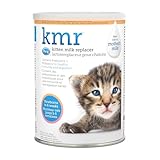
Overview: PetAg KMR Powder is the gold standard for orphaned or rejected kittens from birth to six weeks. This scientifically formulated powder replicates mother’s milk with precise protein, fat, and carbohydrate ratios, delivering complete nutrition when maternal care isn’t available. The 12-ounce canister mixes easily with water to create a highly digestible formula enriched with prebiotics, probiotics, vitamins, and trace minerals essential for early development.
What Makes It Stand Out: KMR’s standout feature is its digestive support system—a specialized fiber blend combined with beneficial bacteria that mirrors natural colostrum benefits. The formula’s palatability ensures even weak kittens accept it readily, while the precise 1:2 mixing ratio eliminates guesswork. PetAg’s decades of research and veterinary endorsement make this the most trusted milk replacer among rescues and breeders.
Value for Money: At approximately $1.50 per ounce of powder (making 24 ounces of liquid), KMR offers significant savings over ready-to-feed options. The 12-ounce size suits occasional caregivers while avoiding waste. Compared to supermarket brands, you’re paying for clinically tested nutrition that reduces vet visits from digestive issues.
Strengths and Weaknesses: Strengths: Complete, vet-recommended nutrition; probiotic-enhanced digestion; excellent mixing consistency; long shelf life when unopened; highly palatable Weaknesses: Requires accurate measuring and temperature control; must be discarded after 24 hours mixed; powder can clump in humidity; initial cost higher than basic formulas
Bottom Line: For dedicated kitten caregivers, KMR Powder delivers unmatched nutrition and digestive support. The minor preparation effort is worthwhile for the superior health outcomes it provides. Perfect for planned fostering or emergency preparedness.
7. Pet-Ag PetLac Liquid for Kittens - 32 oz - Ready-to-Feed Milk Replacement for Kittens Newborn to Six Weeks Old - Easy to Digest

Overview: PetLac Liquid eliminates preparation hassles with its ready-to-feed formula for kittens from newborn to one year old. This 32-ounce TetraPak provides immediate nutrition for orphaned, rejected, or supplemental feeding situations without mixing powders or measuring water. The milk-based formula with vegetable protein offers complete nutrition in a convenient pour-and-serve package that’s ideal for emergencies, travel, or caregivers new to bottle feeding.
What Makes It Stand Out: The grab-and-go convenience is unmatched—simply shake and serve at body temperature. The resealable TetraPak maintains freshness for up to 72 hours refrigerated, reducing waste from mixed powder batches. Its extended age range (up to 1 year) makes it versatile for weaning transitions and supplemental feeding, unlike most replacers limited to six weeks.
Value for Money: While costing roughly 30% more per fluid ounce than reconstituted powder, PetLac justifies the premium by eliminating preparation time and mixing errors. For single-kitten rescues or emergency situations, the 32-ounce size prevents the waste of unused powder. The time saved and reduced spoilage offset the higher price for busy caregivers or veterinary clinics.
Strengths and Weaknesses: Strengths: Zero preparation time; resealable packaging; suitable for older kittens; foolproof feeding; excellent for travel; reduces mixing contamination risk Weaknesses: Higher cost per serving; heavier to store and ship; shorter shelf life after opening than dry powder; less economical for large litters
Bottom Line: PetLac Liquid is the premium convenience option. Pay extra for the time savings and reliability when you need immediate, foolproof nutrition. Best for emergency kits, travel, or those who prioritize ease over economy.
8. Breeder’s Edge Foster Care Feline - Powdered Milk Replacer - for Kittens & Cats - 12oz

Overview: Breeder’s Edge Foster Care Feline targets the critical first 35 days of life with advanced immune support for vulnerable kittens. This 12-ounce powdered formula delivers complete nutrition while incorporating Bio-Mos and IgY—specialized ingredients that strengthen gut health and immune function beyond standard milk replacers. The formula also serves double duty as a nutritional boost for pregnant, lactating, or convalescing adult cats, making it a versatile tool for serious breeders.
What Makes It Stand Out: The inclusion of IgY (immunoglobulin Y) and Bio-Mos prebiotic sets this apart, actively reducing diarrhea risk and supporting natural defenses during the most fragile developmental window. Unlike single-purpose replacers, its utility for adult cats provides added value. The formula also promotes skin and coat conditioning, offering benefits that extend beyond basic nutrition.
Value for Money: Priced competitively with premium brands like KMR, Breeder’s Edge adds value through its immune-boosting compounds and dual-species application. For breeders managing multiple cats and kittens, the multi-purpose nature reduces the need for separate supplements. The 12-ounce size is appropriate for focused use without excessive inventory.
Strengths and Weaknesses: Strengths: Advanced immune support; reduces diarrhea incidence; versatile for adult cats; promotes coat health; specialized for neonatal period Weaknesses: Less widely available than PetAg; shorter primary use window; brand recognition lower among casual pet owners; mixing instructions less detailed
Bottom Line: Breeder’s Edge excels for high-risk neonatal kittens and cattery management. The immune-enhancing ingredients justify the price for vulnerable populations. Ideal for experienced breeders prioritizing preventive health over brand familiarity.
9. PetAg KMR Kitten Milk Replacer Powder - 28 oz - Powdered Kitten Formula with Prebiotics, Probiotics & Vitamins for Kittens Newborn to Six Weeks Old- Easy to Digest

Overview: This 28-ounce canister delivers the same veterinary-grade KMR formula trusted by rescues, but in a bulk size for high-volume users. Designed for newborn to six-week-old kittens, the powder provides complete, balanced nutrition that mirrors mother’s milk with added prebiotics, probiotics, and vitamins. The larger container serves breeders, foster networks, or shelters managing multiple litters without sacrificing the quality and digestibility of the standard KMR recipe.
What Makes It Stand Out: The economies of scale make this the smart choice for frequent feeders—the per-ounce cost drops significantly compared to the 12-ounce size. You get the identical mixing ratio, same specialized fiber blend for gut health, and identical nutrient profile, just with fewer reorders and better inventory management. For organizations, the bulk size reduces packaging waste and ensures consistent nutrition across multiple kittens.
Value for Money: The 28-ounce size typically offers 20-25% savings per ounce of powder, translating to substantial savings over time. While the upfront cost is higher, the reduced price per feeding and fewer shipping costs make it economical for anyone caring for more than two kittens simultaneously. It eliminates the risk of running out during critical growth periods.
Strengths and Weaknesses: Strengths: Superior cost efficiency; identical nutrition to smaller size; reduces reorder frequency; ideal for multiple litters; long unopened shelf life Weaknesses: Higher initial investment; requires careful storage to prevent clumping; may expire before use for single-kitten caregivers; bulky for small spaces
Bottom Line: Buy the 28-ounce KMR if you’re caring for multiple kittens or running a rescue operation. The savings are substantial and the formula is proven. For one-time emergency use, opt for the smaller canister instead.
10. PetAg KMR Kitten Milk Replacer Powder - 12 oz - Powdered Kitten Formula with Prebiotics, Probiotics & Vitamins for Kittens Newborn to Six Weeks Old- Easy to Digest
Overview: PetAg KMR Powder remains the veterinary community’s top recommendation for orphaned kittens from birth through six weeks. This 12-ounce canister contains a scientifically formulated powder that, when mixed 1:2 with warm water, creates a complete milk replacement mirroring maternal nutrition. The recipe includes essential vitamins, minerals, trace nutrients, plus prebiotics and probiotics to support developing immune systems and sensitive digestive tracts during the most critical growth phase.
What Makes It Stand Out: The formula’s reputation is built on decades of clinical research and widespread veterinary endorsement. Its specialized fiber blend ensures easy digestion while preventing the constipation common with homemade formulas. The precise nutrient ratios support proper organ development, weight gain, and weaning transition, making it the benchmark against which other replacers are measured.
Value for Money: The 12-ounce size hits the sweet spot for foster parents and occasional rescuers, providing enough formula for a single litter without excessive waste. While powdered formulas require preparation, the cost per fluid ounce is roughly 40% less than ready-to-feed alternatives. This makes it economical for planned fostering while maintaining pharmaceutical-grade nutrition.
Strengths and Weaknesses: Strengths: Veterinarian-recommended; proven digestive support; excellent palatability; long shelf life unopened; reliable weight gain results Weaknesses: Requires accurate mixing; 24-hour use limit once prepared; powder susceptible to moisture; not ideal for emergency situations without preparation time
Bottom Line: KMR Powder is the gold standard for proactive kitten caregivers. The preparation effort yields superior health outcomes and cost savings. Essential for any kitten foster kit and worth the small learning curve for mixing.
Why Newborn Kittens Need Specialized Nutrition
Newborn kittens enter the world with unique physiological demands that generic dairy products simply cannot satisfy. Their bodies double in weight within the first week, their nervous systems develop at lightning speed, and their immune systems remain almost entirely dependent on external support. Mother cat’s milk contains approximately 40-45% protein and 25-30% fat—ratios that bear little resemblance to cow’s milk, goat’s milk, or human infant formula. Attempting to substitute these alternatives can trigger severe malnutrition, diarrhea, and life-threatening hypoglycemia.
The gastrointestinal tract of a neonatal kitten lacks the enzyme capacity to break down inappropriate proteins and sugars. Lactose levels in cow’s milk, for instance, can overwhelm their delicate digestive systems, while insufficient taurine content starves their developing hearts and retinas. Quality kitten milk replacers are engineered to match feline-specific nutritional benchmarks, providing bioavailable nutrients in forms that tiny bodies can actually absorb and utilize.
The Critical Difference Between Cow’s Milk and Kitten Formula
Cow’s milk contains roughly half the protein and one-third the fat that kittens require, plus it delivers excessive lactose that can cause osmotic diarrhea and dehydration. More concerning, it lacks arachidonic acid, taurine, and specific vitamins cats cannot synthesize themselves. Kitten milk replacer formulas reverse these deficiencies through carefully calibrated ingredient profiles, often incorporating whey protein isolates, medium-chain triglycerides, and feline-specific micronutrient premixes that support organ development and metabolic function.
Understanding Kitten Milk Replacer Composition
Modern formulations function as complete nutrition systems, not just calorie sources. The 2026 generation of products integrates gut microbiome support, cognitive enhancers, and immune modulators that reflect our evolving understanding of neonatal feline health. When evaluating any product, understanding the role each component plays helps you make informed decisions about what goes into your kitten’s tiny body.
Essential Proteins and Amino Acids for Growth
Protein content should hover between 42-45% on a dry matter basis, with whey protein concentrate or isolate as the primary source. These dairy-derived proteins offer superior digestibility compared to casein-heavy formulations. Look for methionine and lysine levels that exceed AAFCO minimums, as these amino acids directly impact muscle development and immune competence. Taurine must appear as a separate added ingredient—not just inherent in protein sources—at concentrations of 0.2% minimum to prevent dilated cardiomyopathy and retinal degeneration.
Fats and Fatty Acids: The Energy Foundation
Fat provides roughly 30-35% of caloric content and must include specific fatty acid ratios. Docosahexaenoic acid (DHA) from fish oil or algae supports brain and vision development during the critical first eight weeks. Medium-chain triglycerides (MCTs) derived from coconut or palm kernel oil offer rapid energy without taxing the immature pancreas. The ideal omega-6 to omega-3 ratio sits between 5:1 and 10:1, balancing inflammatory response with developmental needs.
Vitamins, Minerals, and Immune Support
Calcium-to-phosphorus ratio must remain between 1.2:1 and 1.4:1 to prevent skeletal abnormalities. Vitamin D3 facilitates calcium absorption, while vitamin E acts as a critical antioxidant. The B-complex vitamins support metabolism, but excessive vitamin A can cause toxicity—quality formulas stay within the 9,000-10,000 IU/kg range. Chelated minerals like zinc proteinate and iron glycinate improve bioavailability and reduce gastric irritation compared to inorganic sulfates or oxides.
Powder vs. Liquid: Choosing the Right Form
The decision between powder and ready-to-use liquid hinges on convenience, cost, and storage capacity. Powdered formulas offer superior value, longer shelf life, and flexibility in mixing concentrations. A single canister can prepare multiple batches, allowing you to adjust consistency for kittens with swallowing difficulties or those transitioning to thicker gruel. However, they require precise measuring, proper water temperature, and thorough mixing to prevent clumping.
Ready-to-use liquid eliminates preparation errors and saves precious time during 2 AM feedings. It’s sterile, consistently mixed, and ideal for emergency situations or when traveling. The trade-off comes in price—you’ll pay 3-4 times more per feeding—and shorter expiration once opened. For large litters or long-term care, powder remains the economical choice, while liquid serves as an excellent backup or short-term solution.
Key Features to Evaluate in 2026 Formulations
Manufacturers continue innovating with functional ingredients that address specific neonatal challenges. When comparing options, prioritize formulations that incorporate modern nutritional science rather than relying on decades-old recipes.
Protein Source Quality and Digestibility
Beyond simply listing crude protein percentages, examine the ingredient order. Whey protein isolate should appear first, indicating it’s the dominant ingredient. Avoid products where “dried skimmed milk” leads the list, as this contains higher lactose and lower protein quality. Hydrolyzed proteins can benefit extremely compromised kittens by reducing allergenic potential, though they’re rarely necessary for healthy orphans.
Probiotic and Prebiotic Integration
The 2026 market standard includes viable probiotic strains like Enterococcus faecium or Bifidobacterium animalis at colony-forming units exceeding 10^8 per serving. These beneficial bacteria colonize the gut, crowding out pathogens and producing short-chain fatty acids that nourish intestinal cells. Prebiotic fibers like inulin or fructooligosaccharides feed these probiotics, creating a symbiotic environment that reduces diarrhea incidence by up to 40% in clinical studies.
Colostrum Replacers and Immune Factors
While nothing replaces actual maternal colostrum fed in the first 24 hours, some advanced formulas now include bovine colostrum, immunoglobulin concentrates, or egg-based antibodies. These passive transfer products provide temporary immunity against common pathogens. Look for IgG content specifications on the label—effective products should contain minimum 15% immunoglobulins by weight.
Ingredients to Avoid in Kitten Milk Replacers
Certain additives signal a lower-quality product that prioritizes profit over feline health. Soy protein isolate, despite being cheap, contains phytoestrogens that can disrupt endocrine development and phytates that block mineral absorption. Carrageenan, used as a thickener in some liquid formulas, has been linked to intestinal inflammation in sensitive species.
Excessive sugar content, often disguised as corn syrup solids or dextrose, spikes blood glucose without providing sustained nutrition. Artificial colors and flavors serve no purpose beyond marketing and may trigger allergic reactions. Finally, any product listing “animal fat” without species specification should raise red flags about quality control and potential allergen cross-contamination.
Proper Preparation Techniques for Maximum Nutrition
Even the finest formula fails if prepared incorrectly. Neonatal kittens require precise caloric density—typically 1 kcal per ml of mixed formula. Deviating by more than 10% can cause either malnutrition or digestive overload. Always weigh powder using a gram-scale rather than relying on volume measurements, which compress and create inconsistencies.
Water Temperature and Mixing Ratios
Use water heated to 100-102°F (38-39°C) to maximize solubility without denaturing proteins. Hotter temperatures destroy immunoglobulins and probiotics, while cooler water leaves fat globules unemulsified. Mix using a whisk or blender on low speed for 30 seconds, then let stand for two minutes to allow air bubbles to dissipate—excess air contributes to painful gas and colic. Test the temperature on your wrist before feeding; it should feel barely warm, never hot.
Sterilization Protocols for Feeding Equipment
Bottles and nipples require boiling for five minutes before first use, then washing with hot soapy water and rinsing thoroughly after each feeding. For immunocompromised kittens or those from unknown backgrounds, continue daily boiling throughout the feeding period. Never microwave formula to reheat—it creates dangerous hot spots and degrades nutrients. Instead, warm the bottle in a bowl of hot water for 2-3 minutes, shaking gently to distribute heat evenly.
Feeding Schedules and Quantities by Age
Neonatal kittens need 8-12 feedings per 24-hour period, roughly every 2-3 hours around the clock. Calculate daily volume at 25-30 ml per 100 grams of body weight, dividing this total across all feedings. A 150-gram newborn receives 4-5 ml per feeding, while a 300-gram two-week-old manages 8-10 ml. By three weeks, stretch intervals to 4-6 hours and increase volume to 15-20 ml per feeding as stomach capacity grows.
Watch individual kitten behavior—crying shortly after feeding suggests insufficient volume, while regurgitation indicates overfeeding. Weigh kittens twice daily; they should gain 10-15 grams per day consistently. Plateauing or losing weight demands immediate veterinary assessment, as this signals either formula intolerance or underlying health issues.
Recognizing Quality Indicators on Product Labels
Beyond guaranteed analysis panels, scrutinize manufacturing certifications. Look for statements indicating the product meets AAFCO Cat Food Nutrient Profiles for Growth, not just for All Life Stages—the latter allows lower nutrient levels inappropriate for neonates. Facilities should follow current Good Manufacturing Practices (cGMP) and ideally have ISO 22000 food safety certification.
Expiration dates printed directly on the container (not a sticker) suggest better quality control. Batch numbers enable traceability in case of recalls. Companies that publish typical nutrient analyses beyond minimums demonstrate transparency. Finally, check for feeding trials or peer-reviewed research supporting the formulation—marketing claims mean little without scientific backing.
Common Feeding Challenges and Solutions
Even with perfect formula selection, obstacles arise. Preparedness separates successful outcomes from tragic losses. Understanding the warning signs and immediate interventions can save lives.
Diarrhea and Digestive Upset
Loose stools often stem from formula that’s too concentrated, too cold, or contaminated. First, dilute the mixture by 10% for 24 hours and ensure proper temperature. If diarrhea persists, introduce a feline-specific probiotic paste at twice the labeled dose. Severe cases may require temporary transition to a hydrolyzed or elemental formula. Always monitor hydration status by checking skin tenting over the shoulders—delayed return signals dehydration requiring subcutaneous fluids.
Aspiration Pneumonia Prevention
Feeding kittens on their backs dramatically increases aspiration risk. Always position them on their stomachs with heads slightly elevated, mimicking natural nursing posture. Choose nipples with appropriate flow rates—milk should drip slowly when inverted, not stream out. If milk bubbles appear at the nostrils or you hear gurgling sounds, stop immediately and hold the kitten upside down briefly to drain fluid. Any subsequent coughing, lethargy, or difficulty breathing warrants emergency veterinary care.
Transitioning from Formula to Solid Food
Around four weeks, introduce a gruel by mixing formula with high-quality canned kitten food to a thin yogurt consistency. Offer this on a shallow plate three times daily while continuing bottle feeding. Most kittens will walk through it initially—this is normal exploration. Gradually thicken the mixture over 7-10 days, decreasing bottle volume as solid intake increases. By six weeks, most kittens eat canned food readily and only need supplemental formula for hydration or calories.
Never rush this process. Premature weaning leads to malnutrition and behavioral issues. Some kittens, especially those weaned early due to maternal illness, may need extended bottle feeding until seven or eight weeks. Monitor weight gain closely during transition; a temporary slowdown is normal, but continued loss indicates the gruel is too advanced or the kitten needs more time.
Storage, Shelf Life, and Safety Considerations
Unopened powder remains viable for 12-18 months when stored in a cool, dry location below 75°F. Once opened, use within 30 days and keep the container tightly sealed to prevent moisture contamination and fat oxidation. Refrigerate mixed formula for maximum 24 hours, discarding any leftover after a feeding session—saliva introduces bacteria that proliferate rapidly.
Never freeze mixed formula, as ice crystals rupture fat globules and denature proteins. For preemies or immunocompromised kittens, prepare fresh formula for each feeding. Mark opening dates directly on the container with permanent marker. If powder develops a rancid smell, clumps despite being sealed, or changes color, discard immediately regardless of expiration date.
Cost Analysis and Value Assessment
Price per canister is misleading—calculate cost per feeding instead. A $25 canister making 64 ounces costs $0.39 per ounce, while a $15 canister making only 32 ounces costs $0.47 per ounce. Factor in waste from spoiled mixed formula and potential veterinary bills from inferior nutrition. Premium products often include probiotics and immune factors that reduce diarrhea incidence, saving money on treatments.
Consider the hidden costs of preparation time and equipment. Ready-to-use liquid eliminates the need for scales, thermometers, and mixing tools—valuable for those feeding single kittens short-term. For rescues or breeders managing multiple litters annually, powder’s economy outweighs convenience factors. Some manufacturers offer professional or rescue pricing programs that reduce costs by 20-30% for volume purchasers.
When to Consult Your Veterinarian
While many orphaned kittens thrive with dedicated home care, certain scenarios demand professional intervention. Kittens failing to gain weight despite adequate feeding volume may have congenital defects like cleft palate or liver shunts. Persistent diarrhea after formula changes could indicate parasites, bacterial overgrowth, or viral infections like panleukopenia.
Any kitten exhibiting lethargy, hypothermia (temperature below 99°F), or difficulty breathing requires immediate emergency care. Establish a relationship with a feline-experienced veterinarian before problems arise—many offer 24-hour emergency lines for foster caregivers. Bring the formula label to appointments; your vet can identify potential issues based on ingredient profiles and may recommend prescription-strength alternatives for compromised kittens.
Emergency Alternatives and Stopgap Measures
If you discover a kitten and cannot obtain commercial formula immediately, a temporary emergency mixture can sustain life for 12-24 hours. Combine 6 ounces of evaporated milk (not sweetened condensed), 6 ounces of water, 2 egg yolks (no whites), and 1 tablespoon of plain yogurt. This provides calories and protein but lacks critical taurine, vitamins, and proper mineral ratios—use only as a bridge, not a substitute.
Goat’s milk is sometimes suggested as an alternative, but it still falls short of feline requirements, containing only about 30% of the necessary taurine. If you must use it, add a feline taurine supplement at 250mg per cup of milk. However, these stopgap measures should never extend beyond 24 hours. The risk of nutritional deficiency diseases increases exponentially with each day on an inappropriate diet.
Frequently Asked Questions
How do I know if a kitten milk replacer is working properly?
Healthy kittens gain 10-15 grams daily, produce formed yellow stools, and appear content between feedings. Their skin should feel elastic, not tacky, and they’ll knead and purr during feeding. If you notice crying immediately after meals, failure to gain weight, or watery green stools, the formula may be inappropriate or improperly prepared.
Can I mix different brands of kitten milk replacer?
Avoid mixing brands unless transitioning gradually due to intolerance. Each formula has specific nutrient balances and mixing disrupts these ratios. If you must switch, do so over 3-4 days by slowly increasing the new formula percentage while monitoring stool quality and weight gain.
What’s the ideal storage temperature for opened powder?
Room temperature around 70°F is ideal—never refrigerate opened powder as condensation introduces moisture. Store in the original container with the desiccant packet intact, placed inside an airtight secondary container if your climate is humid. Keep away from direct sunlight and heat sources like appliances.
How long can a feeding bottle safely sit at room temperature?
Mixed formula should never remain at room temperature longer than one hour. Bacterial growth explodes at kitten-feeding temperatures (100°F). If a kitten doesn’t finish a bottle within 30 minutes, discard the remainder. For multiple kittens, prepare smaller batches more frequently to avoid waste and contamination.
Are there vegan or plant-based kitten milk replacers?
Absolutely not. Cats are obligate carnivores requiring nutrients only found in animal tissues. Plant-based formulas would be fatal, lacking taurine, arachidonic acid, vitamin D3, and complete amino acid profiles. This is non-negotiable—no veterinary professional would endorse such a product for neonatal kittens.
Can I add supplements to kitten milk replacer?
Only add supplements if a veterinarian specifically recommends them. Over-supplementation is dangerous—excess calcium can cause skeletal abnormalities, and too much vitamin A leads to toxicity. Quality formulas are complete and balanced; adding ingredients often creates dangerous imbalances and may reduce palatability.
How do I feed a kitten that refuses the bottle?
First, ensure the nipple flow rate is appropriate and the formula temperature is correct. Try different nipple shapes—some kittens prefer longer, narrower nipples. Gently stroke the kitten’s forehead and throat to stimulate suckling. If refusal persists beyond 6 hours, seek veterinary care as this may indicate illness or congenital issues.
What’s the difference between kitten milk replacer and puppy milk replacer?
Never substitute puppy formula for kittens. Puppy formulas contain inadequate protein (typically 30-33%), insufficient taurine, and different fatty acid profiles optimized for canine development. Using puppy formula causes severe malnutrition, heart disease, and vision problems in cats. The species-specific requirements are too different to compromise.
How do I calculate how much formula to order?
A single newborn kitten consumes roughly 2 ounces of mixed formula daily. Over an eight-week raising period, that’s about 112 ounces. Powdered formula yields approximately 4-5 times its weight in mixed product, so a 12-ounce canister feeds one kitten for the entire period. For litters, multiply accordingly and add 20% for waste and practice mixing.
Can older cats drink kitten milk replacer?
While not harmful, kitten formula is unnecessarily rich and calorically dense for adult cats. The high fat content may trigger pancreatitis in susceptible individuals. Senior cats with appetite issues might benefit from small amounts as a calorie booster, but specialized recovery formulas designed for adult felines are more appropriate and cost-effective.
See Also
- We Tested 50 Kitten Milk Replacers - Here are the 10 Best for Newborn Kittens
- 10 Best Kitten Milk Replacer for Orphaned Kittens This Year
- 10 Must-Have Kitten Milk Replacer for Emergency Situations in 2026
- 10 Best Value Kitten Milk Replacer for Rescue Shelters in 2026
- 10 Best Organic Kitten Food for Newborn Kittens in 2026