Table of Contents
If your cat has ever struggled with urinary issues, you know how stressful and expensive it can be. From emergency vet visits to prescription diets, the costs add up fast—and watching your feline friend suffer is even worse. The good news? Preventative nutrition has come a long way, and you don’t have to empty your wallet to protect your cat’s urinary tract. In 2026, the market is flooded with wet cat foods designed to support urinary health, but not all are created equal when it comes to real value. This guide cuts through the marketing noise to help you understand what actually matters for your cat’s urinary wellness, how to spot genuine quality, and why the cheapest option on the shelf might cost you more in vet bills down the road.
Choosing the right urinary support wet food is about balancing science-backed nutrition, palatability, and yes—your budget. Whether you’re managing a current condition or proactively protecting a healthy cat, understanding the nuances of mineral content, pH balance, and moisture levels will empower you to make informed decisions. Let’s dive into the essential factors that separate truly valuable urinary health formulas from the ones that just slap a trendy label on a standard recipe.
Top 10 Wet Cat Food For Urinary
Detailed Product Reviews
1. Purina Pro Plan Urinary Tract Health Pate Cat Food Variety Pack, Turkey and Giblets, and Ocean Whitefish Entrees - (Pack of 12) 5.5 oz. Cans

Overview: The Purina Pro Plan Urinary Tract Health Pate Variety Pack delivers targeted nutrition for cats prone to urinary issues. This 12-can assortment features turkey and giblets or ocean whitefish entrees in a smooth pate texture that many cats find appealing. Formulated to reduce urinary pH and minimize dietary magnesium, it helps maintain urinary tract health while providing complete daily nutrition.
What Makes It Stand Out: Unlike many urinary health foods that require veterinary prescriptions, this over-the-counter option offers scientifically-backed benefits. The pate formulation ensures consistent nutrient delivery, while the dual-flavor variety prevents mealtime boredom. Each recipe contains real meat as the primary ingredient, supplemented with 25 essential vitamins and minerals plus taurine for heart and eye health. The absence of artificial colors and preservatives makes it a cleaner choice for discerning pet owners.
Value for Money: At approximately $1.50 per 5.5-ounce can, this pack costs significantly less than prescription urinary diets ($2-3 per can). The 12-pack provides nearly a two-week supply for a single cat, offering substantial savings without compromising on quality. While specialized therapeutic diets exist for severe conditions, this maintenance formula strikes an excellent balance between efficacy and affordability.
Strengths and Weaknesses: Strengths include proven urinary health support, high palatability, USA manufacturing, and complete nutritional profile. The smooth pate texture works well for cats with dental issues. Weaknesses: pate texture may not appeal to cats preferring chunks or gravy; not suitable for cats with advanced urinary disease requiring prescription diets; some cats may tire of the limited two-flavor rotation.
Bottom Line: This Purina Pro Plan variety pack offers a practical, vet-trusted solution for maintaining feline urinary health. It’s ideal for cats with mild urinary concerns or as a preventive measure, delivering professional-grade nutrition at a consumer-friendly price point.
2. Purina Pro Plan Urinary Tract Wet Cat Food Variety Pack Urinary Tract Health Beef and Chicken Entrees - (Pack of 12) 5.5 oz. Cans

Overview: This Purina Pro Plan Urinary Tract Wet Food Variety Pack provides urinary health support through high-protein beef and chicken recipes. The 12-pack includes Chicken Entree in Gravy and Beef and Chicken Classic Entree, both designed to reduce urinary pH and provide low dietary magnesium. Each 5.5-ounce can delivers complete nutrition for adult cats with urinary sensitivities.
What Makes It Stand Out: The dual-texture approach—gravy-rich chicken and classic loaf-style beef—accommodates finicky eaters who reject uniform textures. Made with real chicken or beef as primary ingredients, these recipes offer exceptional digestibility for optimal nutrient absorption. The high protein content supports lean muscle mass while addressing urinary concerns, a combination rarely found in therapeutic diets.
Value for Money: Priced similarly to Product 1 at roughly $1.50 per can, this pack offers excellent value compared to prescription alternatives. The 12-can quantity provides a convenient two-week trial period to assess palatability and effectiveness. For multi-cat households, the variety prevents food aversion while maintaining consistent urinary health benefits across all pets.
Strengths and Weaknesses: Strengths include superior palatability from gravy and meaty chunks, high digestibility, complete nutritional profile with taurine, and trusted USA manufacturing. The variety suits cats with texture preferences. Weaknesses: gravy adds minimal calories while increasing mess; not for cats requiring strict moisture control; beef ingredient may trigger allergies in sensitive cats; classic entree may be less appealing than gravy option.
Bottom Line: Perfect for cats who turn up their noses at pate, this variety pack delivers urinary protection through highly palatable, protein-rich formulas. It’s an excellent maintenance diet for cats with moderate urinary health needs.
3. Purina Pro Plan Urinary Cat Food Wet Variety Pack Urinary Tract Health Ocean Whitefish, Chicken, Turkey and Giblets - (Pack of 24) 3 oz. Cans

Overview: This Purina Pro Plan Urinary Health Variety Pack offers maximum flavor diversity in convenient 3-ounce portions. The 24-can assortment includes ocean whitefish, chicken, turkey, and giblets recipes, all formulated to reduce urinary pH and provide low magnesium while promoting healthy hydration through high moisture content.
What Makes It Stand Out: The expanded four-flavor rotation prevents flavor fatigue better than any competitor, crucial for cats requiring long-term urinary diets. The smaller can size eliminates waste from uneaten portions, particularly valuable for finicky eaters or single-cat households. Each recipe emphasizes highly digestible protein sources that support both urinary function and overall vitality.
Value for Money: At around $1.25 per 3-ounce can, the per-ounce cost is slightly higher than 5.5-ounce options, but the 24-pack bulk pricing offsets this. The reduced waste from right-sized portions actually saves money with picky cats. For households testing urinary diets, the variety pack offers the best chance of finding an acceptable flavor without committing to large cans.
Strengths and Weaknesses: Strengths include unparalleled flavor variety, ideal portion control, strong hydration support, and complete nutrition with 25 vitamins/minerals plus taurine. The risk-free trial offer builds confidence. Weaknesses: higher cost per ounce; small cans mean more packaging waste; 3-ounce size insufficient for larger cats in single feeding; may require multiple cans per meal for hearty eaters.
Bottom Line: This variety pack excels for persnickety cats needing urinary support. The flavor options and portion control justify the premium price, making it the top choice for difficult-to-please felines.
4. Royal Canin Feline Care Nutrition Urinary Care Adult Thin Slices in Gravy Cat Food, 3 oz (Pack of 12)

Overview: Royal Canin Urinary Care Thin Slices in Gravy delivers precision nutrition for adult cats in a sophisticated formula backed by decades of veterinary research. This 12-pack of 3-ounce cans features carefully balanced minerals to maintain healthy urine concentration, addressing urinary health through advanced nutritional science rather than simple pH manipulation.
What Makes It Stand Out: Royal Canin’s breed-specific research background informs this “instinctively preferred” nutrient profile, which enhances palatability through carefully selected flavor compounds. The thin slices in gravy texture mimics natural prey consistency, encouraging consumption in cats who reject processed textures. Its design as a complementary food allows flexible feeding strategies alongside dry kibble for customized nutrition.
Value for Money: At approximately $2.00 per 3-ounce can, this premium option costs more than Purina’s offerings but less than prescription diets. The specialized formulation justifies the price for cats needing precise mineral balance rather than general urinary maintenance. For owners already invested in Royal Canin’s ecosystem, it integrates seamlessly with dry formulas.
Strengths and Weaknesses: Strengths include scientifically precise mineral regulation, exceptional palatability, hydration encouragement, and complementary feeding flexibility. The thin slices texture appeals to texture-sensitive cats. Weaknesses: highest cost per ounce; 3-ounce cans may be insufficient alone; limited flavor options; not a standalone solution for severe urinary issues; premium pricing without prescription-strength benefits.
Bottom Line: Best suited for discerning owners seeking premium, research-backed nutrition. It’s ideal for cats needing maintenance-level urinary support with gourmet palatability, though budget-conscious buyers may prefer equally effective alternatives.
5. Hill’s Science Diet Urinary Hairball Control, Adult 1-6, Urinary Track Health & Hairball Control Support, Wet Cat Food, Chicken Minced, 2.9 oz Can, Case of 12

Overview: Hill’s Science Diet Urinary Hairball Control addresses two common feline issues simultaneously through its chicken minced recipe. This 12-pack of 2.9-ounce cans provides optimal magnesium levels for urinary health while natural fibers reduce hairball formation, creating a dual-action formula for adult cats aged 1-6 years.
What Makes It Stand Out: As the #1 veterinarian-recommended brand, Hill’s brings clinical credibility to this over-the-counter formula. The unique combination of urinary support and hairball control eliminates the need for separate specialty foods. Omega-6 and omega-3 fatty acids with vitamin E promote skin and coat health, addressing the root cause of excessive grooming that contributes to hairballs.
Value for Money: At roughly $1.75 per 2.9-ounce can, this mid-priced option offers double benefits, effectively costing less than buying two separate specialty foods. The vet recommendation provides confidence in efficacy, reducing the likelihood of costly diet trials. For cats suffering from both urinary issues and hairballs, the convenience factor adds significant value.
Strengths and Weaknesses: Strengths include dual-problem solving, veterinary endorsement, USA manufacturing, and comprehensive skin/coat support. The minced texture suits most cats. Weaknesses: smallest can size may frustrate owners; chicken-only flavor limits variety; not for cats with severe urinary disease; fiber content may cause loose stools in sensitive cats; higher cost than single-benefit foods.
Bottom Line: This Hill’s formula excels for cats with concurrent urinary and hairball issues. The veterinary backing and dual-action design make it worth the premium for targeted problem-solving, though cats with only urinary concerns may find simpler options more economical.
6. Purina Pro Plan Urinary Tract Health Chicken Entree in Gravy Cat Food - (Pack of 24) 3 oz. Pull-Top Cans

Overview: Purina Pro Plan’s urinary health formula delivers targeted nutrition for cats prone to urinary issues. This pack of 24 pull-top cans features real chicken in gravy, designed to reduce urinary pH and provide low dietary magnesium. The high-protein recipe offers complete nutrition with 25 essential vitamins and minerals plus taurine for overall wellness.
What Makes It Stand Out: The high-protein content with real chicken as the primary ingredient sets this apart from many urinary formulas that rely on by-products. The “risk-free” trial offer demonstrates manufacturer confidence, while the absence of artificial preservatives appeals to health-conscious pet owners. The precisely balanced mineral content works proactively to maintain urinary tract health without requiring a veterinary prescription.
Value for Money: At approximately $0.75-$0.90 per can in this bulk pack, it strikes a middle ground between grocery brands and expensive prescription diets. While pricier than standard wet food, it’s significantly more affordable than Hill’s c/d or Royal Canin Urinary SO. The 24-pack bulk sizing reduces per-unit cost and ensures you won’t run out quickly.
Strengths and Weaknesses: Strengths: High-quality protein source; palatable gravy texture most cats enjoy; complete nutritional profile; conveniently sized 3 oz cans reduce waste; US-manufactured in Purina-owned facilities; no artificial preservatives.
Weaknesses: Not suitable for cats with active struvite stones or severe urinary conditions requiring prescription intervention; gravy-based formula may contribute to calorie intake for overweight cats; 3 oz size may require multiple cans for larger cats; contains some thickeners that sensitive cats might not tolerate.
Bottom Line: An excellent preventive option for cats with a history of minor urinary issues or those at risk, offering veterinary-informed nutrition without prescription costs. Not a replacement for therapeutic diets in clinically affected cats.
7. Royal Canin Feline Care Nutrition Urinary Care Adult Thin Slices in Gravy Cat Food, 3 oz (Pack of 6)

Overview: Royal Canin’s Urinary Care formula offers premium nutrition engineered to maintain healthy urine concentration through precise mineral balance. This six-can pack features thin slices in gravy designed for adult cats without active disease. The formulation encourages hydration while delivering complete, balanced nutrition in a texture developed for feline preferences.
What Makes It Stand Out: The “instinctively preferred” nutritional profile is based on Royal Canin’s extensive palatability research, making it ideal for picky eaters. The thin slice texture differs from typical chunks or pâté, providing variety for texture-sensitive cats. Its design as a complementary food for mixed feeding with dry kibble offers flexible feeding strategies for multi-cat households.
Value for Money: Priced around $1.50-$1.75 per can, this is a premium non-prescription option. The six-can pack serves as a trial size but makes long-term feeding expensive compared to bulk alternatives. You’re paying for Royal Canin’s research-backed formulations and strict quality control, which justifies the cost for discerning owners but strains budgets for multi-cat homes.
Strengths and Weaknesses: Strengths: Exceptional palatability; encourages increased water intake; thin slices easy to eat; scientifically formulated mineral balance; reputable veterinary nutrition brand; ideal for mixed feeding protocols.
Weaknesses: Small pack size offers poor economy; not for cats with diagnosed urinary disease; higher cost per ounce than competitors; gravy may contain carrageenan; limited availability in some regions.
Bottom Line: Perfect for preventive care in finicky cats who reject other urinary formulas, but the small pack size and premium pricing make it impractical for long-term sole feeding. Best used as a rotational supplement to other urinary-support diets.
8. Hill’s Science Diet Adult 1-6 Urinary Hairball Control Wet Cat Food, Variety Pack: Chicken, Tuna & Vegetables Stew, 2.9 oz. Cans, 12-Pack

Overview: Hill’s Science Diet addresses two common feline issues—urinary health and hairball control—in one convenient variety pack. This 12-can assortment includes chicken, tuna, and vegetable stew recipes, each formulated with optimal magnesium levels and natural fiber. The 2.9 oz cans provide portion-controlled servings for adult cats aged 1-6 years.
What Makes It Stand Out: The dual-action formula eliminates the need for separate urinary and hairball products, simplifying feeding routines. The variety pack prevents flavor fatigue in cats prone to boredom. Natural fiber sources help move hair through the digestive tract while omega-6 fatty acids and vitamin E support skin and coat health, addressing hairball formation at its source.
Value for Money: At roughly $1.25-$1.40 per can, you’re paying a modest premium for the dual-function formulation. The 12-pack offers better value than individual purchases while allowing flavor rotation. Compared to buying separate urinary and hairball formulas, this represents significant savings and convenience, though specialized urinary-only diets may offer stronger mineral control.
Strengths and Weaknesses: Strengths: Two-in-one functional nutrition; flavor variety maintains interest; natural ingredients; omega-6 and vitamin E for coat health; appropriate for adult life stage; scientifically-backed formulation.
Weaknesses: 2.9 oz cans may be insufficient for larger cats; stew texture contains more water, reducing caloric density; not suitable for senior cats (7+) or kittens; magnesium levels higher than prescription diets; may not resolve severe hairball issues.
Bottom Line: An intelligent choice for adult cats with moderate urinary risk and routine hairball problems, offering excellent convenience and fair value. For established urinary disease, consider prescription alternatives instead.
9. Hill’s Science Diet Urinary Hairball Control, Adult 1-6, Urinary Track Health & Hairball Control Support, Wet Cat Food, Chicken Minced, 2.9 oz Can, Case of 24

Overview: This single-flavor bulk case from Hill’s Science Diet combines urinary support and hairball control in a minced chicken recipe. The 24-can case provides the same dual-action benefits as the variety pack—optimal magnesium levels for urinary health and natural fiber for hairball reduction—but with a consistent minced texture and chicken flavor. The formula includes omega-3 and omega-6 fatty acids plus vitamin E.
What Makes It Stand Out: The “#1 Veterinarian Recommended” claim reflects Hill’s widespread veterinary endorsement. The minced texture offers an alternative to chunks or pâté, often preferred by cats who lick rather than bite. Bulk packaging reduces packaging waste and ensures consistent feeding without flavor transitions that might upset sensitive stomachs.
Value for Money: Bulk pricing brings the per-can cost down to approximately $1.10-$1.25, offering 10-15% savings over the 12-pack variety version. For cats committed to this formula long-term, the 24-case delivers solid value for a premium science-based diet. The dual functionality continues to justify the price premium over single-purpose foods.
Strengths and Weaknesses: Strengths: Veterinarian recommended brand; consistent minced texture; bulk economy sizing; dual urinary and hairball benefits; includes omega-3 and omega-6 fatty acids; made in USA with global ingredients.
Weaknesses: Single flavor risks palatability fatigue; 2.9 oz size inconvenient for multi-cat households; not for cats with active urinary crystals; higher carbohydrate content than some premium brands; requires veterinary consultation for cats with health issues.
Bottom Line: Excellent value for long-term maintenance feeding of adult cats needing both urinary and hairball support. The bulk case makes economic sense once you’ve confirmed your cat accepts the flavor and texture.
10. Hill’s Prescription Diet c/d Multicare Urinary Care Chicken & Vegetable Stew Wet Cat Food, Veterinary Diet, 2.9 oz Cans, 24-Pack
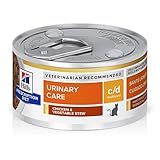
Overview: Hill’s Prescription Diet c/d Multicare represents the therapeutic gold standard for feline urinary health. This veterinary-exclusive formula is clinically tested to reduce urinary stone recurrence by 89% and dissolve struvite stones in as little as seven days. The chicken and vegetable stew provides complete nutrition for lifelong feeding of adult cats with urinary disease.
What Makes It Stand Out: The clinical validation sets this apart—89% reduction in recurrence is backed by published research. Unlike maintenance diets, c/d Multicare actively manages urine pH and saturation indices to dissolve existing struvite stones while preventing calcium oxalate formation. The “lifelong feeding” designation means it’s formulated for permanent use, not just temporary treatment.
Value for Money: At $1.80-$2.10 per can, this is expensive but medically necessary for affected cats. The cost pales compared to repeated urinary blockages requiring emergency care ($1,000-$3,000 per incident). For cats with FLUTD history, this is cost-effective prevention. The 24-pack bulk sizing helps, but prescription status means no competition-driven pricing.
Strengths and Weaknesses: Strengths: Clinically proven efficacy; dissolves struvite stones rapidly; prevents multiple crystal types; trusted by veterinarians; complete for lifelong feeding; precise pH control.
Weaknesses: Requires veterinary prescription; not for healthy cats; significantly more expensive than non-prescription diets; 2.9 oz cans too small for large cats; palatability varies with some cats; must be fed exclusively for maximum efficacy.
Bottom Line: Non-negotiable for cats with diagnosed urinary disease or history of blockages. While costly and requiring veterinary oversight, it’s the most effective dietary management tool available and far cheaper than surgical intervention or emergency care.
Understanding Feline Urinary Health Challenges
Urinary tract issues rank among the most common reasons cats visit veterinarians, yet many pet owners don’t recognize the warning signs until a crisis hits. Feline Lower Urinary Tract Disease (FLUTD) isn’t a single condition but rather a complex spectrum of disorders that can affect your cat’s bladder and urethra. Understanding what’s happening beneath the surface is the first step toward making smart dietary choices that can prevent painful episodes and costly interventions.
The Prevalence of FLUTD in Modern Cats
Recent veterinary data suggests that up to 10% of cats will experience some form of urinary tract issue during their lifetime, with indoor and overweight cats facing even higher risks. The modern feline lifestyle—low activity levels, chronic dehydration from dry food diets, and stress from multi-cat households—creates a perfect storm for urinary problems. Male cats are particularly vulnerable due to their narrow urethras, which can become blocked by crystals or inflammation, turning a manageable condition into a life-threatening emergency within hours.
Why Diet Plays a Critical Role
Your cat’s food directly influences urine concentration, pH levels, and mineral saturation. When cats consume dry kibble with minimal moisture, their urine becomes highly concentrated, allowing minerals to crystallize and form painful struvite or calcium oxalate stones. A properly formulated urinary health diet works like a pharmaceutical intervention, manipulating urinary pH to dissolve existing struvite crystals while preventing new formations. The right balance of minerals, combined with increased water intake, fundamentally changes the bladder environment from a stone-forming ecosystem to one that promotes urinary tract health.
Why Wet Food is Essential for Urinary Support
Veterinary nutritionists consistently recommend wet food as the cornerstone of any urinary health strategy. The logic is simple but powerful: cats evolved as desert animals with a low thirst drive, obtaining most of their hydration from prey. Domestic cats rarely drink enough water to compensate for dry diets, chronically operating in a mild state of dehydration that stresses their kidneys and concentrates their urine.
Hydration: The First Line of Defense
A cat on dry food typically produces urine with a specific gravity above 1.050, creating a supersaturated solution where crystals readily form. Wet food naturally increases water intake by 50-100%, diluting urine to a safer 1.020-1.030 specific gravity. This dilution effect alone can reduce crystal formation by up to 60%, regardless of other dietary modifications. Think of it as constantly flushing your cat’s urinary system, preventing minerals from settling and clumping together.
Moisture Content vs. Dry Food: The Numbers
Standard dry cat food contains 6-10% moisture, while wet foods range from 75-85%. To put this in perspective, a 10-pound cat eating only dry food consumes roughly ½ cup of water daily from food, while the same cat on wet food ingests 6-8 ounces—equivalent to nearly two additional water bowls. This dramatic difference in fluid intake explains why studies show wet food reduces feline urinary stone recurrence by approximately 40% compared to dry therapeutic diets alone.
Key Nutritional Components for Urinary Wellness
Not all wet foods support urinary health, even if they’re marketed as “premium” or “natural.” The magic lies in precise nutrient manipulation that requires scientific formulation, not just quality ingredients. Understanding these components helps you evaluate whether a food offers genuine urinary support or just clever packaging.
Controlled Mineral Levels: Magnesium, Phosphorus, and Calcium
The “Big Three” minerals in urinary health are magnesium, phosphorus, and calcium. Excess magnesium and phosphorus create alkaline urine that promotes struvite crystal formation, while abnormal calcium levels contribute to calcium oxalate stones. Truly therapeutic urinary diets restrict magnesium to less than 0.1% on a dry matter basis—significantly lower than standard adult maintenance foods. However, overly restrictive mineral content can cause other health issues, so the key is controlled reduction, not elimination. Look for foods that specifically list mineral content rather than hiding behind vague “proprietary blend” claims.
The Importance of Targeted pH Levels
Urinary pH determines which crystals can form. Struvite crystals develop in alkaline urine (pH > 6.8), while calcium oxalate prefers acidic conditions (pH < 6.2). The sweet spot for prevention is maintaining urine pH between 6.2-6.6. Quality urinary formulas achieve this through carefully balanced protein sources and acidifying agents like DL-methionine or ammonium chloride. Be wary of foods that claim to “support urinary health” without any mechanism for pH control—they’re essentially standard recipes with a premium price tag.
Added Supplements: What to Look For
Beyond basic nutrition, several supplements provide additional urinary support. Glucosamine and chondroitin sulfate can help repair the glycosaminoglycan layer that protects the bladder wall from irritation. Omega-3 fatty acids reduce inflammation throughout the urinary tract, while antioxidants like vitamin E combat oxidative stress. Some formulas now include L-tryptophan to manage stress-related urinary issues, recognizing the brain-bladder connection in feline idiopathic cystitis.
Decoding “Value”: Beyond the Price Tag
Value doesn’t mean cheap—it means getting maximum urinary health benefits for your investment. A $2 can of therapeutic food that prevents a $2,000 emergency vet visit offers extraordinary value, while a $0.50 can of standard food that contributes to crystal formation is financially reckless. True value analysis requires looking at cost-per-nutrient and clinical efficacy, not just sticker price.
Cost-Per-Serving Analysis
Calculate the actual daily feeding cost by determining how many cans your cat needs based on caloric density. A 5.5-ounce can ranges from 150-220 calories. A typical 10-pound cat needs 200-250 calories daily, meaning some formulas require a full can while others need only three-quarters. That “expensive” $1.80 can delivering 220 calories costs $1.80/day, while the “budget” $1.20 can with 150 calories actually costs $1.60-2.00/day when you feed more. Always check the calorie content and feeding guidelines before comparing prices.
Ingredient Quality vs. Quantity
Value means prioritizing bioavailable protein sources and functional ingredients over fillers. A food using chicken liver and muscle meat provides superior amino acid profiles for urinary acidification compared to one loaded with wheat gluten and by-products. High-quality proteins reduce the total amount of food needed, decreasing both waste and long-term health costs. Look for named meat sources in the first three ingredients and avoid formulas where grains or starches dominate the list.
Veterinary Therapeutic vs. Over-the-Counter Options
Prescription urinary diets undergo clinical trials proving they dissolve struvite stones in as little as 7-14 days. Over-the-counter “urinary health” formulas don’t require this level of proof but can be effective for maintenance and prevention. For cats with a history of blockage or surgery, prescription diets offer proven value despite higher costs. For healthy cats in preventative mode, quality OTC options provide excellent value. The key is matching the intervention level to your cat’s risk profile.
Essential Features to Evaluate on Labels
Pet food labels are legal documents, but they’re written to confuse consumers. Learning to decode the guaranteed analysis, ingredient list, and nutritional adequacy statements reveals whether a food truly supports urinary health or just plays the marketing game.
Guaranteed Analysis: What the Numbers Really Mean
The guaranteed analysis shows minimum protein, minimum fat, maximum fiber, and maximum moisture—but these are “as fed” numbers, not the dry matter basis needed for accurate comparison. To compare wet foods fairly, convert to dry matter: subtract moisture percentage from 100, then divide each nutrient by that number and multiply by 100. For urinary health, aim for dry matter protein above 35%, fat between 15-25%, and fiber below 3%. More importantly, look for mineral percentages; reputable urinary foods will disclose magnesium, phosphorus, and calcium levels.
Ingredient List Hierarchy
Ingredients appear in descending order by weight before cooking. This means fresh chicken at 80% water weight might contribute less protein than chicken meal further down the list. For urinary health, prioritize foods where animal proteins dominate the top five ingredients. Be cautious with “broth” as the first ingredient—it increases moisture but dilutes nutrient density. Watch for ingredient splitting, where corn, corn meal, and corn gluten appear separately to move meat sources higher on the list.
AAFCO Statements and Why They Matter
The AAFCO (Association of American Feed Control Officials) statement reveals whether a food is “complete and balanced” for a specific life stage. For urinary health, look for “adult maintenance” or “all life stages” statements. More importantly, check if the food was substantiated through feeding trials rather than just nutrient profiles. Feeding trials demonstrate actual nutrient absorption and utilization—critical for therapeutic diets. A statement reading “Animal feeding tests using AAFCO procedures substantiate this food provides complete and balanced nutrition” indicates superior validation.
Wet Food Textures and Palability Factors
Even the most scientifically perfect formula provides zero value if your cat refuses to eat it. Urinary health diets only work when consumed consistently, making palatability a crucial component of value. Texture preferences vary dramatically between individual cats, and stress from food rejection can actually trigger urinary flare-ups.
Pate, Chunks, Morsels, and Gravy: Does It Matter?
Texture affects both palatability and water intake. Pate styles typically contain 78-82% moisture and offer uniform nutrient distribution, preventing selective eating. Chunk-in-gravy varieties may contain 82-85% moisture, encouraging higher fluid intake, but some cats lick gravy and leave protein chunks, defeating the purpose. For urinary health, pate often provides more consistent mineral intake and better value, though gravy lovers might benefit from the extra moisture. Consider your cat’s eating style—does she typically lick food or bite and chew?
Addressing Finicky Eaters
Cats with urinary issues often develop food aversions due to associating meals with pain. Warm food to room temperature to enhance aroma, or add a tablespoon of warm water to increase moisture and release scent compounds. For extreme cases, consider rotating between 2-3 urinary formulas to prevent boredom. Some manufacturers offer “savory centers” or “flavored gravies” that maintain urinary benefits while boosting appeal. Never force a cat to eat a therapeutic diet—stress itself can cause urinary problems, creating a dangerous cycle.
Life Stage and Lifestyle Considerations
A one-size-fits-all approach to urinary health nutrition ignores the unique needs of kittens, seniors, and multi-cat households. The most valuable urinary diet aligns with your cat’s complete life context, not just their bladder condition.
Adult Maintenance vs. Senior Formulas
Senior cats (age 7+) often have concurrent kidney disease requiring moderate protein restriction, which conflicts with urinary diets that use higher protein for natural acidification. The solution? Look for senior-specific urinary formulas that balance these needs with controlled phosphorus for kidney support and moderate protein for bladder health. These specialized formulas typically cost 15-20% more but prevent the need for multiple prescription diets. For cats under seven, standard adult urinary maintenance formulas offer optimal value.
Multi-Cat Household Strategies
Feeding different foods to different cats in the same home is challenging. If one cat needs urinary support while others are healthy, consider feeding all cats the urinary formula—most are safe for long-term maintenance. The mineral restrictions won’t harm healthy cats, though you’ll want to ensure adequate caloric intake for active individuals. Alternatively, establish separate feeding stations with microchip-activated feeders. While the initial investment seems high, these feeders pay for themselves by preventing diet cross-contamination and eliminating food theft.
Transitioning to a Urinary-Support Diet Safely
Sudden dietary changes shock the digestive system and can trigger temporary urinary issues as the body adjusts to new mineral levels and pH modulators. A gradual transition protects gut health and allows you to monitor how your cat’s urinary system responds to the new formula.
The 7-10 Day Transition Protocol
Start by mixing 25% new urinary food with 75% current food for 2-3 days. If stools remain normal and your cat eats willingly, shift to a 50/50 mix for days 4-5. Move to 75% new food on days 6-7, completing the transition by day 8-10. For cats with sensitive stomachs or severe urinary disease, extend each phase to 3-4 days. This slow approach prevents digestive upset and gives the urinary tract time to adapt to new pH levels gradually.
Monitoring During Dietary Changes
Watch for key indicators during transition. Increased water intake and more dilute urine (lighter color, larger volume) signal the diet is working. Monitor litter box visits—straining, vocalizing, or blood indicates a problem requiring veterinary attention. Track appetite daily; any refusal lasting more than 24 hours warrants a vet call. Some cats experience transient soft stools during mineral shifts—this usually resolves within 3-5 days. If diarrhea persists or contains blood, pause the transition and consult your veterinarian.
Common Myths About Urinary Health Cat Food
Misinformation about feline urinary diets abounds, leading well-meaning owners to make choices that inadvertently harm their cats. Let’s dismantle the most persistent myths that compromise urinary health.
Myth 1: “All wet food is good for urinary health.” Standard wet food provides hydration benefits but lacks controlled mineral levels and pH modulation. A generic chicken pate may contain magnesium levels 3-4 times higher than therapeutic formulas, offering false security.
Myth 2: “Fish-based foods cause urinary crystals.” While fish can produce more alkaline urine, the mineral content matters more than protein source. A well-formulated fish-based urinary diet with added acidifiers can be perfectly safe and valuable for cats who prefer seafood flavors.
Myth 3: “Prescription diets are just marketing.” Prescription urinary diets contain precise mineral restrictions and undergo clinical trials proving they dissolve stones. They’re medical interventions, not premium branding. While OTC options work for prevention, prescription diets are non-negotiable for active stone formers.
Myth 4: “I can add water to dry food instead of buying wet.” Soaking kibble creates a bacterial breeding ground and doesn’t reduce mineral content. The physical structure and nutrient profile remain unchanged, offering no true urinary benefits.
When to Consult Your Veterinarian
While this guide empowers informed decisions, urinary health exists on a spectrum where professional veterinary guidance is irreplaceable. Certain situations demand immediate medical intervention rather than dietary tweaks.
Seek veterinary care if your cat strains to urinate, produces only drops, vocalizes in the litter box, or has blood in urine—these are emergency symptoms. For recurrent issues, request a urinalysis with culture and crystal identification. This $75-125 test reveals whether you’re dealing with struvite, calcium oxalate, or sterile cystitis, each requiring different dietary approaches. Never start a urinary diet without veterinary input if your cat has a history of urinary blockage, surgery, or kidney disease. These complex cases need prescription-level management where the “value” lies in preventing mortality, not saving money on food.
Storage, Handling, and Feeding Best Practices
Even the best urinary diet loses value if stored improperly. Nutrients degrade, fats oxidize, and bacterial contamination can occur, potentially causing urinary tract infections that undermine your dietary efforts.
Refrigeration and Freshness Protocols
Once opened, transfer unused portions to glass containers (plastic can harbor bacteria) and refrigerate immediately. Use within 48-72 hours maximum. Cold food straight from the fridge is unappealing and can cause stomach upset—warm refrigerated portions to room temperature by adding a tablespoon of hot water or microwaving for 5-7 seconds. Never serve food that smells off or has developed a film on the surface; lipid oxidation creates compounds that can irritate the urinary tract.
Portion Control and Feeding Frequency
Divide daily portions into 3-4 small meals rather than one large serving. Multiple meals maintain consistent urine pH throughout the day and prevent gorging, which can stress the bladder. Use a digital scale to measure portions accurately—overfeeding dilutes the therapeutic effect by increasing total mineral intake. For weight management, calculate calories from the urinary diet first, then adjust portions rather than switching to a weight-loss formula that may lack urinary benefits.
Frequently Asked Questions
1. How long does it take for urinary cat food to start working?
Most cats show improved urinary signs within 7-14 days, but complete crystal dissolution can take 4-6 weeks. Struvite crystals typically respond faster than calcium oxalate. Monitor litter box habits daily; if you don’t see improvement in urinary frequency, volume, or color within two weeks, consult your vet for a urinalysis to ensure the diet is appropriate for your cat’s specific crystal type.
2. Can I mix different urinary health wet foods together?
Mixing complementary urinary formulas is generally safe and can improve palatability. Stick to products designed for the same urinary goal (struvite prevention vs. calcium oxalate prevention) to avoid counteracting pH modulators. Never mix prescription and non-prescription urinary diets, as this dilutes the therapeutic effect of the prescription formula. If mixing for variety, maintain a consistent ratio to avoid urinary pH fluctuations.
3. My cat only likes dry food. Are there any urinary dry foods that work as well as wet?
Prescription urinary dry foods are effective but remain inferior to wet formulations for hydration. If your cat absolutely refuses wet food, choose a prescription dry formula and implement aggressive water promotion strategies: multiple water stations, pet fountains, flavored water (tuna juice ice cubes), and broth additions. Consider feeding dry urinary food with a therapeutic urinary treat that contains high moisture content as a compromise.
4. How do I know if my cat needs a prescription urinary diet or an over-the-counter option?
Cats with a history of urinary blockage, surgery, or confirmed stones need prescription diets. OTC urinary foods work well for prevention in healthy cats or those with mild, first-time infections. Your veterinarian can perform a urinalysis and imaging to determine severity. When in doubt, start with prescription for 2-3 months, then transition to quality OTC for maintenance if your cat remains stable and stone-free.
5. Will feeding urinary cat food prevent all future urinary problems?
No diet offers 100% prevention, but quality urinary food reduces recurrence risk by 70-90%. Environmental factors like stress, water intake, and litter box cleanliness also play major roles. Combine dietary management with stress reduction (Feliway diffusers, enrichment), adequate litter boxes (one per cat plus one), and regular veterinary monitoring for comprehensive protection.
6. Are there any side effects from long-term feeding of urinary health cat food?
Therapeutic urinary diets are safe for lifelong feeding when appropriate for the cat’s condition. The most common issue is weight gain from reduced activity, not the diet itself. Some cats develop alkaline urine if the food is too effective at acidification, but this is rare. Annual urinalysis ensures the diet continues meeting your cat’s needs without causing unintended pH shifts.
7. Can kittens eat urinary health cat food?
Standard urinary diets aren’t formulated for growth and shouldn’t be fed to kittens under 12 months. If a kitten develops urinary issues (rare but possible), veterinarians can prescribe growth-appropriate urinary formulas. For multi-cat homes with kittens and adult cats needing urinary support, feed the kitten a growth formula separately and transition all cats to urinary maintenance once the kitten reaches adulthood.
8. How should I store unopened cans of urinary cat food?
Store in a cool, dry place below 80°F. Avoid garages or storage sheds where temperature fluctuations accelerate nutrient degradation. Check expiration dates before purchasing—buying in bulk saves money only if you use it before expiration. Once opened, treat wet food like fresh meat; refrigerate promptly and discard after 72 hours. Never freeze canned food in the can, as expansion can compromise the seal.
9. My cat has both urinary issues and food allergies. What should I look for?
Choose limited-ingredient urinary formulas with novel proteins like duck, rabbit, or venison. Hydrolyzed protein urinary diets are also available by prescription. Avoid common allergens (chicken, beef, fish) while ensuring the food still meets urinary criteria. This specialized combination typically costs 20-30% more but addresses both conditions simultaneously, offering better value than managing them separately.
10. How can I tell if a urinary cat food is actually controlling pH levels?
You can’t determine pH from the label alone. Home pH test strips on fresh urine provide some indication but vary in accuracy. The gold standard is a veterinarian-performed urinalysis 2-4 weeks after starting the diet. Reputable manufacturers conduct digestibility studies and can provide average urinary pH data for their formulas. If a company can’t share this information, the food likely lacks proper pH control regardless of marketing claims.
See Also
- 10 Best Value Urinary Health Wet Cat Food for Senior Cats in 2026
- 10 Best Value Urinary Health Wet Cat Food for Long-Term Use in 2026
- 10 Expert-Recommended Urinary Health Wet Cat Food for Male Cats in 2026
- 10 Expert-Recommended Wet Cat Food for Urinary Health in 2026
- 10 Wet Cat Food That Solve Urinary Health Problems in Male Cats in 2026