Table of Contents
Watching your beloved cat navigate chronic kidney disease (CKD) can feel overwhelming, but nutrition remains one of the most powerful tools you have to support their quality of life. As we move through 2026, advances in veterinary nutrition have transformed how we approach renal diets, making it easier than ever to find wet food formulations that genuinely make a difference. The right diet won’t just manage symptoms—it can slow disease progression, reduce toxin buildup, and help your cat feel more like themselves again.
This guide cuts through the marketing noise to focus on what actually matters when selecting wet food for a cat with CKD. We’ll explore the science behind renal nutrition, decode label jargon, and share practical strategies that veterinary nutritionists use every day. Whether you’re newly diagnosed or looking to optimize your cat’s current diet, this comprehensive resource will empower you to make informed decisions alongside your veterinarian.
Top 10 Wet Cat Food For Kidney
Detailed Product Reviews
1. Forza10 - Cat Food, Vet-Formulated Renal Wet, Non GMO, Kidney Care Food with Lamb Flavor, Crafted for Adults, Made in Italy (3.5 oz, 12 Pack)
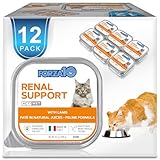
Overview: Forza10’s Renal Wet Cat Food offers Italian-crafted nutrition specifically engineered for adult cats requiring kidney support. This veterinary-formulated diet comes in a 12-pack of 3.5-ounce cans featuring lamb as its primary protein source. Designed to balance phosphorus levels while providing adapted protein content, the formula addresses early-stage renal concerns without compromising palatability. The brand emphasizes clean, non-GMO ingredients enhanced with botanical extracts known for renal support.
What Makes It Stand Out: The Mediterranean approach to pet nutrition shines through with hydrolyzed protein and potato protein for easier digestion. Unique botanical inclusions—cranberries, dried dandelion, and clover extract—provide natural kidney support rarely found in conventional prescription diets. The lamb flavor offers an alternative for cats tired of chicken-based formulas, while the strict exclusion of wheat, soy, by-products, and artificial additives appeals to discerning pet parents seeking cleaner labels.
Value for Money: Positioned between mainstream and premium prescription diets, this 12-pack provides adequate trial quantity before committing to larger purchases. At approximately $2-3 per can, it’s competitively priced against Hill’s k/d, though the smaller can size may require multiple units daily for larger cats. The quality ingredients justify the moderate premium over grocery brands.
Strengths and Weaknesses: Strengths include veterinary formulation, non-GMO certification, novel protein options, and absence of common allergens. The Italian manufacturing ensures quality control standards. Weaknesses involve smaller portion sizes, limited retail availability compared to domestic brands, and lack of extensive clinical trial data that Hill’s provides. Some cats may find the texture less appealing than stew varieties.
Bottom Line: Forza10 delivers a respectable alternative for early renal support, particularly for owners prioritizing natural ingredients. While it lacks the clinical pedigree of Hill’s, its clean formulation and palatable lamb flavor make it worth considering for cats with mild kidney concerns under veterinary supervision.
2. Hill’s Prescription Diet k/d Kidney Care Chicken & Vegetable Stew Wet Cat Food, Veterinary Diet, 2.9 oz. Cans, 24-Pack

Overview: Hill’s Prescription Diet k/d represents the veterinary gold standard for feline kidney disease management. This 24-pack of 2.9-ounce cans delivers chicken and vegetable stew formulated by Hill’s team of veterinarians and nutritionists. Clinically proven to extend quality of life in cats with renal insufficiency, k/d remains the most veterinarian-recommended therapeutic diet for kidney care. The ActivBiome+ Kidney Defense system targets kidney function through gut microbiome modulation.
What Makes It Stand Out: The proprietary ActivBiome+ prebiotic blend sets this apart, scientifically demonstrated to activate beneficial gut bacteria that help protect kidney function. Hill’s invests heavily in clinical research, providing pet owners with confidence in measurable outcomes. The stew format with bite-sized chunks in gravy maximizes palatability—a critical factor for cats with reduced appetites. Essential amino acids exceed AAFCO minimums, combating muscle wasting common in renal disease.
Value for Money: At prescription-level pricing ($2.50-3.50 per can), the 24-pack offers bulk convenience. While expensive compared to regular cat food, the cost reflects decades of research and proven efficacy. Insurance may cover部分 costs for diagnosed conditions, offsetting expenses.
Strengths and Weaknesses: Unmatched clinical validation and veterinary trust constitute primary strengths. The palatable texture helps maintain caloric intake in sick cats. However, the prescription requirement creates access barriers. Some formulas contain by-products and grains that clean-label advocates avoid. The 2.9-ounce size may prove insufficient for hearty eaters.
Bottom Line: For diagnosed kidney disease, Hill’s k/d offers the most scientifically validated option available. While not the cleanest ingredient list, its proven ability to improve longevity makes it the top choice when therapeutic efficacy outweighs ingredient purism.
3. Purina Pro Plan Urinary Tract Health Pate Cat Food Variety Pack, Turkey and Giblets, and Ocean Whitefish Entrees - (Pack of 12) 5.5 oz. Cans

Overview: Purina Pro Plan’s Urinary Tract Health formula addresses feline lower urinary tract disease (FLUTD) rather than kidney disease—a crucial distinction. This 12-pack of 5.5-ounce cans offers two pate varieties: turkey with giblets and ocean whitefish. Designed to reduce urinary pH and minimize dietary magnesium, it helps prevent struvite crystal formation. The formulation includes 25 essential vitamins and minerals plus taurine for comprehensive adult cat nutrition.
What Makes It Stand Out: The value proposition shines with generously sized 5.5-ounce cans at a non-prescription price point. Unlike true renal diets, this focuses on urinary acidification—a different therapeutic goal. The variety pack prevents flavor fatigue, while the pate texture suits cats preferring smooth consistencies. Manufacturing in Purina-owned U.S. facilities ensures quality control without import premiums.
Value for Money: Exceptional affordability makes this accessible for preventative urinary care. At under $1.50 per can, it costs significantly less than prescription alternatives. The larger can size provides better portion control for multi-cat households, though single-cat owners must refrigerate leftovers.
Strengths and Weaknesses: Strengths include proven urinary pH reduction, large economical cans, and palatable flavors. The non-prescription status allows easy purchase. However, this is NOT appropriate for kidney disease—confusing the two conditions could harm cats requiring phosphorus restriction. Contains some fillers and lacks the specialized protein management of true renal diets.
Bottom Line: Excellent for preventing urinary crystals in healthy cats or those with FLUTD history, but never substitute this for a renal diet in kidney disease. Clarify your cat’s diagnosis with your veterinarian before selecting.
4. Royal Canin Feline Care Nutrition Urinary Care Adult Thin Slices in Gravy Cat Food, 3 oz (Pack of 12)

Overview: Royal Canin Urinary Care targets urinary tract health in healthy adult cats, distinct from kidney disease management. This 12-pack of 3-ounce cans features thin slices in gravy designed to increase water intake—a key factor in urinary health. The formula precisely balances minerals to maintain optimal urine concentration and prevent crystal formation. Royal Canin’s veterinary nutrition background ensures scientifically sound formulation.
What Makes It Stand Out: The thin slices in gravy texture encourages consumption in cats reluctant to drink water, supporting hydration crucial for urinary dilution. Royal Canin’s breed-specific research pedigree lends credibility to their care nutrition line. The “instinctively preferred” nutrient profile aims to enhance palatability based on feline taste research. This serves as an excellent complement to Royal Canin’s dry urinary formulas for mixed feeding strategies.
Value for Money: Premium pricing reflects Royal Canin’s research investment, costing approximately $2 per small can. While expensive per ounce, the specialized formulation justifies the cost for cats prone to urinary issues. The 12-pack serves as a reasonable trial size before committing to larger quantities.
Strengths and Weaknesses: Strengths include the hydration-focused texture, scientific mineral balance, and brand reputation. The gravy format appeals to picky eaters. Weaknesses involve the smallest can size in this review, increasing packaging waste. It’s unsuitable for kidney disease, lacking phosphorus restriction. Premium pricing may not suit budget-conscious owners.
Bottom Line: Ideal for healthy cats needing urinary maintenance, particularly those with low thirst drives. Not a therapeutic diet for diagnosed kidney disease. Choose only after veterinary confirmation of urinary—not renal—needs.
5. Forza10 - Cat Food, Vet-Formulated Renal Wet Cat Food, Non GMO, Kidney Care Food with Lamb Flavor, Crafted for Adults, Made in Italy (3.5 oz, 32 Pack)
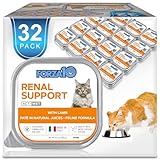
Overview: Forza10’s 32-pack renal diet offers the same Italian-crafted kidney support formula as the 12-pack version, providing bulk convenience for long-term management. Each 3.5-ounce can delivers veterinary-formulated nutrition with controlled phosphorus levels, hydrolyzed protein, and kidney-supporting botanicals. The lamb-based recipe maintains palatability while addressing renal health through adapted protein content and natural supplements.
What Makes It Stand Out: The substantial 32-can packaging delivers cost savings for committed users, eliminating frequent reordering. The formulation remains identical to the smaller pack—featuring non-GMO ingredients, cranberries, dandelion extract, and clover—while offering better per-unit economics. This bulk option suits multi-cat households or single-cat long-term therapy, reducing packaging waste compared to smaller quantities.
Value for Money: Bulk purchasing drops the per-can price significantly, often 15-20% below the 12-pack rate. For cats requiring lifelong renal support, the 32-pack represents substantial annual savings despite higher upfront cost. The 3.5-ounce size remains appropriate for portion control in smaller cats.
Strengths and Weaknesses: Strengths mirror the 12-pack: clean ingredient profile, veterinary formulation, novel lamb protein, and non-GMO certification. The bulk packaging adds convenience and value. Weaknesses include the same small can size requiring multiple daily servings for larger cats, limited flavor variety, and less clinical validation than Hill’s k/d. The large case may prove cumbersome for storage.
Bottom Line: The 32-pack makes financial sense for cats thriving on Forza10 renal formula. If your veterinarian recommends this diet and your cat accepts the lamb flavor, bulk purchasing maximizes value while maintaining the same quality nutrition.
6. Hill’s Prescription Diet k/d Kidney Care Stew Variety Pack Canned Cat Food, 2.9 oz., Count of 24

Overview: This veterinary-prescribed wet food addresses feline kidney disease through a scientifically formulated stew designed to support renal function and extend quality of life. The variety pack includes two flavors in convenient 2.9-ounce cans, making it suitable for cats requiring long-term dietary management of kidney issues.
What Makes It Stand Out: The proprietary ActivBiome+ Kidney Defense prebiotic blend distinguishes this formula by actively supporting gut health to protect kidney function. Developed by veterinarians and nutritionists, the food delivers clinically proven results with elevated essential amino acids that exceed AAFCO minimums, helping maintain lean muscle mass—critical for cats with chronic kidney disease.
Value for Money: At approximately $3 per can, this prescription diet commands premium pricing, but the 24-pack offers bulk savings for ongoing therapy. While significantly more expensive than standard cat food, the cost is justified by specialized ingredients, veterinary oversight, and documented clinical outcomes that may reduce future veterinary expenses.
Strengths and Weaknesses:
- Strengths: Clinically validated nutrition; palatable stew texture; dual-flavor variety combats food boredom; prebiotic technology supports gut-kidney axis; veterinary formulation ensures precise nutrient balance.
- Weaknesses: Requires veterinary prescription; expensive for multi-cat households; some cats may reject the stew consistency; rice content may not suit all dietary sensitivities.
Bottom Line: Ideal for cats diagnosed with kidney disease under veterinary supervision. The proven efficacy and palatability make it worth the investment, though budget-conscious owners should discuss alternatives with their vet for early-stage conditions.
7. Hill’s Prescription Diet k/d Kidney Care Vegetable, Tuna & Rice Stew Wet Cat Food, Veterinary Diet, 2.9 oz. Cans, 24-Pack

Overview: This single-flavor prescription stew targets cats with renal disease through a tuna-based recipe enriched with vegetables and rice. Formulated exclusively by veterinary nutritionists, each 2.9-ounce can delivers therapeutic nutrition designed to slow kidney decline while maintaining palatability for selective feline eaters.
What Makes It Stand Out: The tuna-forward flavor profile appeals to cats who favor fish-based diets, while maintaining the same ActivBiome+ Kidney Defense technology as the variety pack. The formulation provides clinically demonstrated kidney protection with amino acid levels strategically elevated beyond AAFCO standards to preserve muscle tissue during disease progression.
Value for Money: Priced similarly to other k/d formulas at roughly $3 per can, the 24-pack offers consistent supply for cats who prefer this specific flavor. The cost reflects prescription-grade ingredients and research, making it comparable to therapeutic alternatives but requiring financial commitment for lifelong feeding.
Strengths and Weaknesses:
- Strengths: Highly palatable tuna recipe; clinically proven kidney support; prebiotic blend enhances gut health; supports muscle maintenance; convenient single-flavor bulk packaging.
- Weaknesses: Veterinary authorization mandatory; premium price point; rice may trigger sensitivities; lacks flavor variety for changing preferences; fish-based protein not ideal for all cats long-term.
Bottom Line: Excellent choice for fish-loving cats requiring kidney therapy, provided your veterinarian approves. Commit to a single flavor only if your cat consistently demonstrates preference, as palatability can shift during chronic illness.
8. Weruva Wx Phos Focused Natural Wet Cat Food, Our Lowest Phosphorus Formulas

Overview: Weruva’s Wx line offers a non-prescription alternative for cats requiring phosphorus restriction, featuring tilapia and tuna in a hydrating purée. Each 3-ounce can delivers up to 50% less phosphorus than AAFCO minimums, targeting kidney health without sacrificing protein quality or palatability.
What Makes It Stand Out: This formula achieves remarkably low phosphorus levels while maintaining high bioavailable protein—an uncommon balance in commercial cat foods. The bone-free, filler-free recipe uses natural ingredients without powdered cellulose or carbohydrates that artificially dilute nutrient content, ensuring genuine nutritional density.
Value for Money: At approximately $2 per can for a 12-pack, this option costs less than prescription diets while delivering therapeutic phosphorus levels. The price reflects premium ingredient sourcing and specialized formulation, offering exceptional value for owners seeking kidney-supportive nutrition without veterinary markup.
Strengths and Weaknesses:
- Strengths: Extremely low phosphorus without prescription; high-quality, digestible protein; natural, filler-free ingredients; excellent hydration support; suitable for early-stage kidney disease or maintenance.
- Weaknesses: Not a complete therapeutic diet for advanced kidney disease; limited flavor options; may require supplementation for comprehensive kidney support; veterinary consultation still recommended for diagnosed conditions.
Bottom Line: A superior alternative for cats with early renal concerns or as a complement to prescription diets. The quality-to-price ratio makes it an intelligent choice, though severe cases still require veterinary-prescribed therapy.
9. Delectables Lickable Wet Cat Treats - Tuna & Chicken, 1.4 Ounce (Pack of 12)

Overview: These versatile lickable treats serve multiple functions as food toppers, standalone rewards, or bonding tools. Packaged in 1.4-ounce pouches, the tuna and chicken purée delivers 90% moisture content to boost hydration while appealing to finicky eaters who resist traditional food formats.
What Makes It Stand Out: The exceptionally high moisture content addresses chronic dehydration in cats, while the grain-free, filler-free formulation ensures clean nutrition. Unlike standard treats, this product functions as a palatability enhancer for sick or elderly cats, encouraging food intake when appetite wanes.
Value for Money: Priced around $1 per pouch, these treats offer affordable enticement for picky eaters. While cost-effective as occasional treats, regular use as meal toppers can become expensive compared to standard wet food. The 12-pack provides convenient portion control without waste.
Strengths and Weaknesses:
- Strengths: Ultra-high moisture content; palatable for selective cats; grain-free with no fillers; versatile application; encourages eating in ill cats; convenient pouch packaging.
- Weaknesses: Not nutritionally complete for meal replacement; small portions limit satiety; can become costly with frequent use; not formulated for specific medical conditions like kidney disease.
Bottom Line: Essential for encouraging hydration and appetite in finicky, ill, or senior cats. Use strategically as a supplement to balanced diets rather than a nutritional cornerstone, and consult your vet before relying on it for cats with health issues.
10. Hill’s Science Diet Urinary Hairball Control, Adult 1-6, Urinary Track Health & Hairball Control Support, Wet Cat Food, Chicken Minced, 2.9 oz Can, Case of 12

Overview: This dual-action formula addresses two common feline issues—urinary tract health and hairball management—in a single chicken-based minced recipe. Designed for adult cats aged 1-6, the 2.9-ounce cans provide preventive care through controlled magnesium levels and natural fiber, complemented by omega fatty acids for skin and coat health.
What Makes It Stand Out: The combination of urinary support and hairball control in one therapeutic diet simplifies feeding routines while addressing interconnected feline health concerns. As the veterinarian-recommended brand, Hill’s leverages optimal magnesium levels to prevent crystal formation and natural fiber to move hair through the digestive tract comfortably.
Value for Money: At roughly $2.50 per can for a 12-pack, this non-prescription therapeutic food costs less than prescription diets while delivering dual benefits. The price reflects quality ingredients and veterinary brand credibility, offering solid value for owners seeking preventive urinary and digestive support.
Strengths and Weaknesses:
- Strengths: Dual urinary and hairball benefits; veterinarian-recommended brand; optimal magnesium levels; omega fatty acids enhance coat; made in USA; no prescription required.
- Weaknesses: Not suitable for advanced kidney disease; limited to chicken flavor; may not resolve severe hairball issues; contains grains that some cats tolerate poorly; insufficient phosphorus restriction for renal patients.
Bottom Line: Excellent preventive maintenance food for healthy adult cats prone to urinary or hairball issues. Do not substitute this for prescription kidney diets in diagnosed cats, but consider it for at-risk felines after veterinary consultation.
Understanding Chronic Kidney Disease in Cats
What is CKD and Why Diet Matters
Chronic kidney disease affects up to 30-40% of cats over the age of 10, making it one of the most common geriatric feline conditions. Unlike acute kidney injury, CKD is a progressive, irreversible decline in kidney function that occurs over months or years. The kidneys lose their ability to filter waste products, concentrate urine, and maintain proper electrolyte balance. What many cat parents don’t realize is that dietary management isn’t just supportive—it’s therapeutic. The food your cat eats directly influences the workload on their remaining kidney function and can significantly impact survival time and comfort levels.
How Wet Food Supports Kidney Health
Wet food isn’t just a preference for CKD cats—it’s a medical necessity. The high moisture content (typically 75-85%) helps combat chronic dehydration, a hallmark of the disease. Cats with CKD lose their ability to conserve water effectively, making them prone to dehydration that further stresses the kidneys. Wet food also tends to be more palatable for cats with nausea or reduced appetite, common CKD symptoms. The texture and aroma can stimulate feeding behavior when dry kibble might be ignored entirely.
Key Nutritional Requirements for CKD Cats
Protein: Quality Over Quantity
The protein debate in CKD management has evolved dramatically. It’s not about eliminating protein—it’s about providing high-quality, highly digestible protein in controlled amounts. Your cat needs protein for muscle maintenance and immune function, but excess protein creates more nitrogenous waste that damaged kidneys struggle to eliminate. Look for named animal proteins (like chicken liver or egg) rather than vague “meat by-products.” These provide complete amino acid profiles with less metabolic waste.
Phosphorus Restriction: The Critical Factor
Phosphorus restriction stands as the single most important nutritional intervention in CKD. High phosphorus levels accelerate kidney damage through a damaging feedback loop. Target foods with phosphorus levels below 0.5% on a dry matter basis for moderate to advanced CKD. Many therapeutic diets achieve this through phosphate binders or using naturally low-phosphorus ingredients. Always check the actual phosphorus content rather than relying on marketing claims about being “kidney-friendly.”
Sodium and Its Role in Kidney Function
While sodium restriction isn’t as critical as phosphorus, excessive sodium can worsen hypertension and fluid retention, both common CKD complications. Aim for moderate sodium levels—enough to make food palatable but not so much that it strains the cardiovascular system. Most therapeutic renal diets automatically moderate sodium content, but some gourmet or treat-style wet foods can be surprisingly high.
The Importance of Moisture Content
Beyond the obvious hydration benefits, moisture content affects nutrient delivery and palatability. The water in wet food helps flush toxins through the system more effectively and can reduce the concentration of waste products in the bloodstream. Some CKD-specific formulas now incorporate functional waters or broths fortified with B-vitamins that are often lost through increased urination.
Omega-3 Fatty Acids for Inflammation
EPA and DHA from fish oil have demonstrated kidney-protective effects by reducing glomerular inflammation and proteinuria. The ideal omega-3 to omega-6 ratio in renal diets should favor anti-inflammatory effects. Look for foods that specify the type and amount of omega-3s rather than just listing “fish oil” generically. Therapeutic levels typically range from 0.5-2.0% of the diet.
What to Look for on the Label
Decoding Guaranteed Analysis
The guaranteed analysis panel tells only part of the story, but it’s your starting point. For CKD cats, focus on the “as fed” and “dry matter” conversions. A food might show 0.3% phosphorus “as fed,” but once you remove moisture, that could jump to 1.2% on a dry matter basis—far too high for a CKD cat. Use online calculators or ask your vet to convert these values for accurate comparison.
Identifying High-Quality Protein Sources
Ingredient order matters, but context matters more. A food listing “chicken” first might seem ideal, but if it’s followed by several high-phosphorus meat meals, the overall formula may not be suitable. Look for specific organ meats like liver in moderation—they’re nutrient-dense but also higher in phosphorus. Egg and muscle meats from poultry or rabbit often provide the best protein-to-phosphorus ratio.
Recognizing Phosphorus Levels
Some manufacturers now voluntarily list phosphorus content in mg per 100 kcal, which is far more useful than percentage-based declarations. Ideally, you want less than 150 mg phosphorus per 100 kcal for early CKD, and under 100 mg for advanced cases. If this information isn’t on the label, contact the manufacturer directly—reputable companies will provide it.
Avoiding Harmful Additives
CKD cats are more sensitive to certain additives. Avoid foods with artificial colors, which offer no nutritional value and may cause hypersensitivity. Carrageenan, a common thickener, has been linked to inflammation in some studies—opt for foods using alternative gums or starches. BHA and BHT preservatives are unnecessary in properly canned wet food and may add oxidative stress.
Prescription vs. Non-Prescription Diets
Understanding Veterinary Prescription Diets
Prescription renal diets undergo rigorous testing to prove they meet specific therapeutic standards for phosphorus, protein, and other nutrients. They’re formulated to be complete and balanced specifically for CKD management. While they require veterinary authorization, this ensures your cat receives a diet appropriate for their disease stage. These diets also typically include enhanced levels of B-vitamins, antioxidants, and potassium citrate to manage metabolic acidosis.
When Non-Prescription Options May Be Appropriate
In early-stage CKD or when prescription diets are refused, some non-prescription senior or “low-phosphorus” formulas might work temporarily. However, these aren’t held to the same therapeutic standards and often contain phosphorus levels that are still too high. If you must use non-prescription food, work with a veterinary nutritionist to create a balanced feeding plan, and never substitute long-term without monitoring bloodwork.
Texture and Palatability Considerations
Pâté, Shredded, or Stew: What’s Best?
Texture preference is highly individual, but CKD cats often do best with pâté or mousse styles. These are easier to lap up when appetite is poor and can be thinned with warm water to create a slurry that’s both hydrating and easy to eat. Shredded and stew varieties sometimes contain more broth, which is good for hydration but may dilute nutrient density. If your cat prefers chunks, ensure they’re eating the solids and not just licking the gravy.
Managing Appetite Issues in CKD Cats
Nausea, uremic toxins, and mouth ulcers can make eating painful. Warming food to body temperature releases aromas that stimulate appetite. Some cats respond to “novel” proteins they haven’t eaten before, as CKD can alter taste perception. Consider offering multiple small portions throughout the day rather than two large meals, and don’t leave food out for extended periods as it can develop a film that’s unappealing.
Transitioning Your Cat to a New Diet
The Gradual Approach
Never switch a CKD cat’s food abruptly—this can trigger food aversion at a time when nutrition is critical. Start with a 75/25 mix of old to new food for 3-4 days, then 50/50, then 25/75. If your cat shows any signs of reduced appetite, backtrack to the previous ratio and move more slowly. The entire transition should take 2-3 weeks minimum. Keep a feeding diary to track acceptance and any changes in water consumption or litter box habits.
Troubleshooting Refusal
If your cat refuses the new diet, try a different texture from the same product line first. Add a teaspoon of warm water or low-sodium chicken broth (onion-free) to enhance aroma. Some vets approve a tiny pinch of nutritional yeast or a fish oil capsule punctured over the food. As a last resort, a short course of appetite stimulants like mirtazapine can help during the transition period, but address the underlying reluctance rather than medicating around it long-term.
Feeding Strategies and Portion Control
Small, Frequent Meals
CKD cats often benefit from 4-6 small meals daily rather than two large ones. This prevents overwhelming the stomach when nausea is present and provides steady nutrient delivery. It also aligns better with their natural grazing behavior. Use automatic feeders if you’re away during the day, but ensure they keep food fresh and at appropriate temperatures.
Using Food Toppers Wisely
Toppers can boost palatability but must be renal-friendly. A teaspoon of plain pumpkin (not pie filling) adds fiber without excess phosphorus. Freeze-dried chicken breast (rehydrated) is low in phosphorus and high in palatability. Avoid commercial toppers unless they’re specifically formulated for CKD—many are high in protein and phosphorus that negate your careful diet selection.
Common Mistakes to Avoid
Overlooking Hydration
Even with wet food, many CKD cats don’t drink enough. Place multiple water stations throughout your home, including away from food bowls. Consider pet fountains, as moving water often encourages drinking. Some cats prefer different bowl materials—try glass, ceramic, or stainless steel. Adding extra warm water to wet food to create a soup-like consistency can dramatically increase fluid intake.
Inconsistent Feeding
CKD management requires consistency. Switching between brands, even “renal” ones, can cause phosphorus and protein intake to fluctuate. Stick with one primary diet once you’ve found one your cat accepts. If you must rotate for variety, choose different flavors from the same product line with identical nutritional profiles. Keep treats to less than 10% of daily calories and ensure they’re CKD-appropriate.
The Role of Regular Veterinary Monitoring
Bloodwork and Diet Adjustments
Your cat’s dietary needs will change as CKD progresses. SDMA and creatinine levels help stage the disease, while phosphorus, potassium, and blood pressure guide specific nutrient adjustments. Recheck bloodwork every 3-6 months, or sooner if clinical signs change. A diet that worked perfectly six months ago may need tweaking as kidney function declines. Bring your food labels to appointments so your vet can calculate exact nutrient intake.
Looking Ahead: Innovations in Renal Cat Nutrition
Emerging Research and Trends for 2026
The future of CKD nutrition is increasingly personalized. Some companies are exploring diets based on a cat’s specific microbiome profile or genetic markers. Novel protein hydrolysates promise even lower phosphorus while maintaining palatability. We’re also seeing advances in “functional” ingredients like activated charcoal binders that neutralize uremic toxins in the gut before they enter the bloodstream. While these innovations are exciting, always prioritize proven, evidence-based formulations over trendy additives.
Frequently Asked Questions
1. Can I mix different brands of renal wet food together? Mixing therapeutic diets isn’t recommended unless your veterinarian specifically approves. Different formulations have varying phosphorus levels, protein sources, and additive packages that could interact unpredictably. Stick with one primary brand to ensure consistent nutrient delivery and easier monitoring.
2. My cat hates prescription renal food but loves regular wet food. What should I do? First, try different textures and flavors within the prescription line. If refusal persists, work with a veterinary nutritionist to create a custom plan using non-prescription foods with the lowest possible phosphorus, supplemented with phosphate binders. Never force a prescription diet if your cat is starving themselves.
3. How do I know if the phosphorus level is truly low enough? Request the mg phosphorus per 100 kcal from the manufacturer. For moderate CKD, aim for under 150 mg/100 kcal; for advanced cases, under 100 mg. Compare this to your cat’s daily caloric needs to calculate total phosphorus intake, which should be discussed with your vet.
4. Are grain-free renal diets better for cats? Not necessarily. Grains can provide beneficial fiber and are typically low in phosphorus. The “grain-free” marketing often replaces grains with legumes or potatoes that may not offer any advantage. Focus on phosphorus and protein metrics rather than grain content.
5. Can I feed raw food to my CKD cat? Raw diets pose significant risks for immunocompromised CKD cats and are nearly impossible to balance for phosphorus without professional formulation. Commercial raw foods often have higher bacterial loads and inconsistent nutrient profiles. Cooked, commercially prepared therapeutic diets are safer and more reliable.
6. How much wet food should my CKD cat eat daily? This depends on the food’s caloric density and your cat’s ideal body weight. Most CKD cats need 200-250 calories per day, but your vet should calculate exact needs based on muscle mass and disease stage. Divide this into 4-6 small meals. Track weight weekly to ensure adequate intake.
7. Is fish-based wet food okay for CKD cats? Fish can be high in phosphorus and may contain heavy metals. Occasional fish flavors are fine if they meet therapeutic phosphorus levels, but don’t make fish the primary protein. Poultry and egg-based proteins generally offer better phosphorus control.
8. What if my cat is losing weight despite eating renal food? Weight loss in CKD is multifactorial—nausea, muscle wasting, and increased metabolic demands all play roles. First, ensure you’re feeding enough calories. If intake is adequate, discuss appetite stimulants, anti-nausea medications, or adjusting to a slightly higher protein (but still controlled) diet with your vet.
9. Are there any supplements I should add to renal wet food? Only add supplements your veterinarian specifically recommends. Common additions include omega-3 fatty acids, potassium gluconate for hypokalemia, or phosphate binders. Random supplementation can unbalance a carefully formulated diet and cause more harm than good.
10. How long does it take to see improvements after switching to a renal diet? Most owners notice increased energy and appetite within 2-4 weeks. Bloodwork improvements in phosphorus, SDMA, and BUN may take 4-8 weeks. However, renal diets manage progression rather than cure CKD, so expectations should focus on quality of life and stabilization rather than reversal.
See Also
- 10 Best Wet Cat Food for Cats with Chronic Kidney Disease in 2026
- Top 10 Best Wet Cat Food for Cats with Chronic Kidney Disease in 2026
- Top 10 Best Canned Cat Food for Cats with Chronic Kidney Disease in 2026
- 10 Hydration Hacks: Using Wet Cat Food in Broth to Cure Chronic Feline Dehydration
- 10 Expert-Recommended Wet Cat Food Pouches for Senior Cats with Kidney Issues in 2026