Table of Contents
Cats are creatures of habit—especially when it comes to food. If your feline turns up their nose at every bowl you present, you’re not alone. Fussy eaters are a common challenge among cat owners, and while occasional pickiness can be normal, chronic refusal to eat can lead to serious health concerns. The good news? Wet food is often the secret weapon for winning over even the most stubborn palates. With higher moisture content, intense aromas, and meat-first formulations, premium wet cat food can reignite your cat’s interest in mealtime.
In 2026, the pet nutrition landscape is more advanced than ever. Innovations in feline dietary science, ingredient sourcing, and texture engineering have led to wet foods that not only appeal to finicky cats but also support their long-term health. But with so many options flooding the market, how do you choose the right one? This comprehensive guide dives deep into the essential factors that matter when selecting wet food for a fussy cat—so you can make informed decisions without relying on trends or marketing hype.
Top 10 Wet Cat Food For Fussy
Detailed Product Reviews
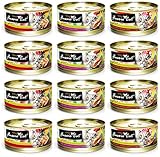
1. Fussie Cat Premium Grain Free Canned Cat Food 3 Flavor Variety: (4) Tuna with Chicken, (4) Tuna with Salmon and (4) Ocean Fish, 2.82 Oz Each (12 Cans Total)
Overview:
This 12-can variety pack from Fussie Cat offers three grain-free wet food formulas—Tuna with Chicken, Tuna with Salmon, and Ocean Fish—all in a 2.82 oz size. Designed for cats who thrive on high-moisture, protein-rich diets, it provides a taste and texture variety to keep picky eaters engaged.
What Makes It Stand Out:
The inclusion of multiple premium protein sources and the absence of grains, artificial additives, and common fillers make this pack ideal for cats with sensitivities. The small-can format is perfect for portion control or sampling without waste.
Value for Money:
While priced slightly higher than supermarket brands, the quality ingredients justify the cost. However, the 12-can quantity offers less volume than bulk cases, making it better suited for trial or small households.
Strengths and Weaknesses:
Strengths: Grain-free, high animal protein content, no artificial preservatives, variety enhances dietary rotation. Weaknesses: Smaller pack size increases long-term cost; aspic-based texture may not appeal to all cats.
Bottom Line:
A solid starter pack for cat owners seeking high-quality, grain-free wet food options with flavor variety—ideal for introducing Fussie Cat to discerning felines.
2. Fussie Cat Premium Tuna with Chicken in Aspic Grain-Free Wet Cat Food - 2.82oz Cans - Case of 24 Cans (Tuna with Chicken in Aspic)

Overview:
This 24-can case of Fussie Cat’s Tuna with Chicken in Aspic delivers a protein-packed, grain-free meal option for cats. Tuna is the first ingredient, supporting muscle maintenance and overall feline health in a high-moisture format.
What Makes It Stand Out:
Made in a human-grade food facility, this formula avoids potatoes, corn, wheat, soy, and artificial additives. Its DHA enrichment supports brain and vision development, especially beneficial for kittens and active adult cats.
Value for Money:
Buying in bulk (24 cans) reduces the per-can cost significantly. Given the premium sourcing and absence of fillers, it competes well with other high-end brands at a reasonable price point.
Strengths and Weaknesses:
Strengths: Human-grade manufacturing, rich in DHA, grain-free, no artificial ingredients, excellent for hydration. Weaknesses: Aspic texture may deter some cats; tuna dominance could pose concerns with long-term mercury exposure if not rotated.
Bottom Line:
A nutritious, hydrating, and cost-effective bulk option for cat owners prioritizing clean, high-protein diets made to rigorous quality standards.
3. Fussie Cat Premium Tuna & Salmon in Aspic Grain-Free Wet Cat Food - 2.82oz Cans - Case of 24 Cans (Tuna & Salmon in Aspic)

Overview:
This 24-can case features Fussie Cat’s grain-free Tuna & Salmon in Aspic formula, offering a dual-seafood blend rich in protein and omega fatty acids. Each 2.82 oz can supports hydration and provides a savory meal option for cats.
What Makes It Stand Out:
With tuna as the first ingredient and salmon adding variety, this formula delivers DHA for cognitive health and is made in a human-consumable facility. Free from grains, artificial additives, and common allergens, it’s ideal for sensitive cats.
Value for Money:
The case of 24 offers excellent long-term value, especially for multi-cat households. Compared to similar premium brands, it delivers top-tier ingredients at a competitive per-can rate.
Strengths and Weaknesses:
Strengths: High-quality protein sources, supports brain health with DHA, promotes hydration, clean ingredient profile. Weaknesses: Aspic texture may not suit all palates; seafood-heavy formula may limit dietary rotation if used exclusively.
Bottom Line:
A high-value, nutritious seafood option that excels in ingredient quality and hydration support—perfect for health-conscious cat owners buying in bulk.
4. Fussie Cat Premium Tuna w/Ocean Fish in Aspic
Overview:
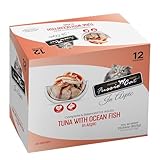
Fussie Cat’s Tuna with Ocean Fish in Aspic is a grain-free, high-moisture wet food designed to support feline health through premium protein and essential nutrients. Each 2.82 oz can delivers a savory, jelly-based meal ideal for daily feeding.
What Makes It Stand Out:
This formula is rich in DHA and omega-3 fatty acids, promoting cognitive function and a healthy coat. Its high moisture content aids in daily hydration—critical for urinary and kidney health in cats who don’t drink enough water.
Value for Money:
Although sold without specifying pack size, the nutritional profile justifies a premium price. It’s a smart choice for owners focused on health benefits over volume, especially for cats needing hydration support.
Strengths and Weaknesses:
Strengths: Excellent moisture content, supports brain and coat health, complete and balanced nutrition, no grains or artificial additives. Weaknesses: Limited availability details; aspic texture may be polarizing; single flavor limits rotation.
Bottom Line:
A nutritionally sound, hydration-focused option ideal for cats requiring moisture-rich diets, though best paired with other flavors for balanced long-term feeding.
5. Fussie Cat Super Premium Canned Wet Cat Food in Goat Milk Gravy -2.47 oz Cans - Variety Pack of 12 Cans - 4 Flavors Plus Hotspot Can lid

Overview:
This 12-can variety pack features Fussie Cat’s goat milk gravy formula in four flavors, offering a creamy, nutrient-dense meal option for cats. At 2.47 oz per can, it’s designed for sensitive systems and optimal hydration.
What Makes It Stand Out:
The use of goat milk in gravy is a standout—easier to digest than cow’s milk and rich in beneficial nutrients. With up to 86% moisture, it’s exceptional for hydration, catering to cats with low thirst drive.
Value for Money:
While slightly more expensive per ounce, the goat milk addition and high moisture content elevate its value. The included Hotspot can lid adds convenience, enhancing usability.
Strengths and Weaknesses:
Strengths: Extremely high moisture, grain-free, gentle on sensitive stomachs, goat milk enhances digestibility, flavor variety prevents boredom. Weaknesses: Smaller can size means more cans needed; short-term freshness may be a concern after opening.
Bottom Line:
A premium, hydration-focused choice ideal for cats with digestive sensitivities—well worth the investment for owners prioritizing gut health and moisture intake.
6. Fussie cat Premium Tuna w/Chicken in Aspic, 2.47 Ounce (Pack of 12)
Overview:
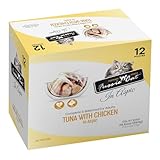
The Fussie Cat Premium Tuna with Chicken in Aspic is a grain-free wet cat food designed to deliver essential nutrients in a moisture-rich, palatable format. Each 2.47-ounce can is packed with real tuna and chicken, suspended in a jelly-like aspic that cats find enticing. Formulated for all life stages, this 12-can pack supports hydration and overall feline health.
What Makes It Stand Out:
This product stands out for its high moisture content, which aids in keeping cats properly hydrated—a critical factor for urinary and kidney health. It’s rich in DHA and omega-3 fatty acids, promoting brain development and a healthy coat. The aspic base enhances palatability without compromising nutritional balance.
Value for Money:
Priced competitively among premium wet cat foods, this pack offers solid value for cat owners seeking high-quality, hydrating meals. While not the cheapest option, the inclusion of beneficial nutrients justifies the cost compared to lower-tier brands.
Strengths and Weaknesses:
Strengths: High moisture, rich in DHA and omega-3s, complete and balanced nutrition, appealing texture. Weaknesses: Small can size may not suffice for larger cats, and some picky eaters might prefer gravy over aspic.
Bottom Line:
A nutritious, hydration-focused choice for cat owners prioritizing quality ingredients and feline wellness—ideal for daily feeding, especially for cats needing increased water intake.
7. Fussie Cat Premium Canned Grain Free Cat Wet Food - Variety 4 Flavors Pack Food Bowl (12 Cans) (Tuna & Ocean Fish- Salmon - Shrimp - Chicken) (2.82 Oz)
Overview:
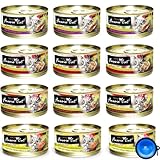
The Fussie Cat Variety Pack offers 12 cans across four seafood-inspired flavors: Tuna & Ocean Fish, Salmon, Shrimp, and Chicken. At 2.82 ounces per can, this grain-free, premium wet food is designed to cater to finicky felines with diverse taste preferences.
What Makes It Stand Out:
The standout feature is flavor variety in a slightly larger can size, providing meal diversity that helps prevent food boredom. As a grain-free formula, it aligns with the natural dietary needs of obligate carnivores, supporting digestion and energy levels.
Value for Money:
This pack delivers good value for pet owners wanting to rotate proteins or introduce new flavors. While priced similarly to single-flavor packs, the inclusion of multiple proteins enhances dietary enrichment without a significant cost increase.
Strengths and Weaknesses:
Strengths: Flavor variety, grain-free, larger portion size, appeals to picky eaters. Weaknesses: No listed nutritional details or fortification claims, which may concern health-conscious buyers. Lack of gravy or aspic description may affect texture appeal.
Bottom Line:
A practical, appetizing option for introducing protein rotation—best for owners prioritizing taste variety, though better transparency on nutrition would improve confidence.
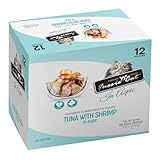
8. Fussie cat Premium Tuna w/Shrimp in Aspic, 2.47 Ounce (Pack of 12)
Overview:
Fussie Cat Premium Tuna with Shrimp in Aspic is a grain-free, high-moisture wet food crafted to appeal to discerning feline palates. Each 2.47-ounce can combines real tuna and shrimp in a clear aspic, delivering hydration and nutrition in a delicate, jelly-based texture.
What Makes It Stand Out:
This formula emphasizes hydration and brain health with DHA and omega-3 fatty acids. The high moisture content supports kidney and urinary tract health, while the aspic texture attracts cats who prefer less gravy-heavy foods. It’s also complete and balanced for all life stages.
Value for Money:
The 12-can pack is competitively priced within the premium wet food market. Given its focus on hydration and quality protein, it offers strong value—especially for owners managing cats with hydration-related health concerns.
Strengths and Weaknesses:
Strengths: High moisture, rich in DHA and omega-3s, grain-free, supports hydration, appealing texture. Weaknesses: Small portion size may require feeding multiple cans for larger cats; limited protein variety in this pack.
Bottom Line:
An excellent hydration-boosting option with quality ingredients—ideal for cats who enjoy seafood and need increased moisture intake in their diet.
9. Fussie Cat Wet Canned Cat Food in Goat Milk,Variety Pack of Flavors, 2.47-oz cans,and Can Cover- Pack of 12, 3 Flavor Pack

Overview:
The Fussie Cat Wet Canned Cat Food in Goat Milk is a unique 12-can variety pack featuring three flavors crafted with chicken, beef, and duck. Each 2.47-ounce can is enriched with goat milk gravy, offering a velvety texture that appeals to even the pickiest eaters.
What Makes It Stand Out:
The inclusion of goat milk sets this product apart, providing a creamy, digestible alternative to traditional gravies. It’s enhanced with taurine, vitamins, and minerals, supporting heart, vision, and immune health. The smooth texture and high moisture content aid in hydration and digestion.
Value for Money:
While slightly more expensive due to goat milk and diverse proteins, this pack offers excellent value for cats with sensitive stomachs or taste fatigue. The added can covers are a thoughtful touch for portion control and freshness.
Strengths and Weaknesses:
Strengths: Goat milk gravy, variety of high-quality proteins, complete nutrition, high moisture, includes taurine and vitamins. Weaknesses: Small can size; goat milk may not suit lactose-intolerant cats despite being easier to digest.
Bottom Line:
A premium, nutritionally rich choice with a luxurious texture—highly recommended for finicky or hydration-needing cats, provided no dairy sensitivity exists.
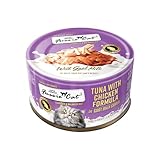
10. Fussie Cat Premium Canned Wet Cat Food in Goat Milk Gravy - 2.47 oz Cans - Case of 24 Cans (Tuna & Chicken)
Overview:
Fussie Cat’s Premium Canned Wet Cat Food in Goat Milk Gravy offers 24 cans of tuna and chicken blend in a creamy, goat milk-based sauce. Each 2.47-ounce can delivers a high-moisture, nutrient-dense meal suitable for cats of all life stages.
What Makes It Stand Out:
The goat milk gravy is the key differentiator—offering a rich, palatable texture that supports hydration and digestion. Fortified with DHA, vitamins, and minerals, it promotes brain health, vision, and immune function in a complete and balanced formula.
Value for Money:
Buying in bulk (24 cans) reduces per-can cost, making this a cost-effective option for daily premium feeding. The goat milk enhancement adds value over standard gravy-based foods, especially for cats needing gentle, nutritious meals.
Strengths and Weaknesses:
Strengths: Goat milk gravy, DHA-rich, complete nutrition, high moisture, bulk value. Weaknesses: Limited to two flavors; small can size may require multiple servings for larger cats.
Bottom Line:
A nutritious, hydrating, and appealing choice—ideal for pet owners seeking a high-quality, bulk-friendly wet food with digestive and cognitive benefits.
Why Wet Food Works for Picky Eaters
The Sensory Appeal of Wet Food
Cats rely heavily on their sense of smell when deciding whether to eat. Wet food releases potent aromas that dry kibble simply can’t match. This olfactory stimulation is often the first step in enticing a reluctant eater. The warm, meaty scent of freshly opened wet food mimics the natural prey experience, triggering instinctual feeding behaviors.
Additionally, the texture and temperature of wet food are more appealing to many cats. When gently warmed, wet food enhances its aroma and brings it closer to the body temperature of freshly killed prey—something deeply ingrained in a cat’s evolutionary instincts.
Hydration Benefits and Health Implications
One of the most underappreciated advantages of wet food is its high moisture content, often exceeding 70%. Cats, by nature, have a low thirst drive because they evolved to get most of their water from prey. Feeding wet food helps prevent chronic dehydration, which is linked to urinary tract issues, kidney disease, and constipation.
For fussy cats who won’t drink enough water, wet food isn’t just appealing—it’s a preventative health tool. Increasing moisture intake through diet supports kidney and bladder health, especially as cats age.
Understanding the Mind of a Fussy Cat
Evolutionary Roots of Selective Eating
Domestic cats are obligate carnivores with highly specialized digestive systems. In the wild, they consume small prey multiple times a day, favoring fresh, high-protein meals. This biological programming means cats are naturally cautious about unfamiliar or inconsistent food sources.
A fussy cat may not be “stubborn”—they could be acting on instinct. Sudden changes in texture, smell, or ingredient profile can trigger avoidance. Understanding this helps owners approach feeding with empathy rather than frustration.
Common Causes of Food Refusal
Before assuming pickiness, rule out medical issues. Dental pain, gastrointestinal discomfort, kidney disease, or even stress from environmental changes can cause appetite loss. If your cat suddenly stops eating, consult a veterinarian.
True food fussiness often stems from early feeding experiences. Kittens exposed to a narrow range of flavors and textures may become resistant to change as adults. Other factors include feeding routines, bowl placement, and even the type of container the food comes in.
Key Ingredients to Look For (And Avoid)
High-Quality Animal Proteins as the Foundation
The best wet foods list whole animal proteins—like chicken, turkey, duck, or salmon—as the first ingredient. Cats require essential amino acids such as taurine, which are abundant in animal tissue but not in plant-based proteins.
Avoid foods that use “meat by-products” or “meals” without clear sourcing. While some by-products can be nutritious, unclear labeling may indicate lower-quality ingredients. Look for transparency: “chicken liver” is better than “animal liver.”
Moisture and Fat Content for Palatability
Fat isn’t the enemy—it’s fuel. Cats metabolize fat efficiently, and it contributes significantly to flavor and energy. A moderate fat content (around 5–8% on a dry matter basis) enhances taste and encourages consumption.
Moisture levels should remain high. Check the guaranteed analysis, but also consider form: pâtés, chunks in gravy, or minced textures retain more water than semi-moist varieties.
Steering Clear of Fillers and Artificial Additives
Cats don’t need carbohydrates, and high-starch formulations can deter fussy eaters. Avoid ingredients like corn, wheat, soy, and unnamed starches. These are often used as cheap fillers and provide little nutritional value for obligate carnivores.
Artificial colors, flavors, and preservatives like BHA or BHT should also be avoided. While they may make food more visually appealing to humans, they offer no benefit to cats and may even cause sensitivities.
Texture and Formulation: Matching Preference to Palate
Exploring Different Wet Food Textures
Cats often have strong texture preferences. Some prefer smooth pâtés, while others enjoy shredded pieces or whole muscle meat in gravy. Offering variety in form can help you discover what your cat likes.
Texture can also influence eating speed and digestion. Pâtés are easier for older cats with dental issues, while chunky styles encourage chewing and mimic prey consumption.
Grain-Free vs. Limited Ingredient Diets
For cats with sensitivities, limited ingredient diets (LIDs) can reduce digestive upset and improve palatability. These formulas typically feature a single animal protein and minimal additives, making them ideal for cats with food aversions linked to allergies.
Grain-free doesn’t automatically mean better, but it can help avoid common allergens. More importantly, grain-free diets often prioritize animal protein, aligning with a cat’s natural diet.
The Role of Flavor Rotation and Novel Proteins
Preventing Flavor Fatigue with Rotation
Even the most enthusiastic eaters can grow tired of the same flavor. Rotating proteins—such as switching between chicken, rabbit, and venison—can prevent flavor fatigue and keep mealtime exciting.
Introduce new proteins gradually. Start by mixing a small amount of the new food with the old, increasing the ratio over several days. This reduces the risk of digestive upset and increases acceptance.
Benefits of Novel and Exotic Proteins
Novel proteins (those your cat hasn’t eaten before) are excellent for breaking picky eating patterns. Options like kangaroo, duck, or pheasant stand out due to their unique taste and smell.
These proteins are also less likely to trigger allergies, especially in cats with a history of sensitivities. While not always necessary, they can be a game-changer for cats who’ve rejected common poultry-based foods.
Packaging and Freshness: Often Overlooked Factors
Single-Serve Pouches vs. Cans
The packaging of wet food affects both freshness and convenience. Single-serve pouches are easy to open, portion-controlled, and reduce waste. They’re ideal for cats who eat small amounts or require multiple daily meals.
Cans offer longer shelf life and are often more cost-effective in bulk. However, once opened, unused portions must be refrigerated and used within 24–48 hours to maintain freshness and safety.
Ensuring Freshness After Opening
Oxygen exposure degrades both flavor and nutritional quality. Always cover unused portions and store them in the fridge. Some high-end brands now use nitrogen flushing or vacuum sealing to preserve freshness, a detail worth noting when comparing options.
Serving food at room temperature—not straight from the fridge—can dramatically improve acceptance. Warming enhances aroma and mimics the temperature of fresh prey.
Brand Transparency and Sourcing Standards
Evaluating Ingredient Sourcing and Manufacturing
Top-tier brands provide detailed information about where their ingredients come from and how they’re processed. Look for companies that disclose protein sources (e.g., “cage-free chicken”) and avoid those with vague terms like “meat” or “animal digest.”
Manufacturing in FDA-registered facilities with strict quality controls ensures consistency and safety. Brands that conduct in-house testing or partner with veterinary nutritionists often set higher standards.
Third-Party Testing and AAFCO Compliance
AAFCO (Association of American Feed Control Officials) compliance indicates that a food meets basic nutritional standards for cats. While not a guarantee of premium quality, it’s a baseline requirement.
Third-party testing for contaminants like heavy metals, bacteria, or toxins adds another layer of trust. Independent lab results or Certificates of Analysis (COAs) are signs of a brand’s commitment to safety.
Transitioning Strategies for Stubborn Eaters
Gradual Mixing and Temperature Tweaks
Sudden diet changes often backfire. The most successful transitions involve blending the old and new food over 7–10 days. Start with 90% old food and 10% new, slowly increasing the new food’s proportion.
Temperature plays a surprising role. Warming wet food to around 98–102°F (37–39°C) releases more aroma and makes it more palatable. Never microwave food unevenly—stir well to avoid hot spots.
Using Food Enhancers and Toppers
A small amount of food topper—like freeze-dried liver, bone broth, or a sprinkle of nutritional yeast—can entice a hesitant eater. These enhancers add flavor and aroma without compromising the nutritional integrity of the main meal.
Use enhancers temporarily. The goal is to transition your cat to eating the complete, balanced food on its own, not create dependency on toppings.
Monitoring Health and Adjusting as Needed
Tracking Weight, Energy, and Litter Box Habits
A successful diet change isn’t just about getting your cat to eat—it’s about ensuring they thrive. Monitor weight trends, energy levels, coat condition, and litter box output. Consistent stools and regular urination are signs of good digestion and hydration.
Any sudden changes—weight loss, vomiting, or lethargy—should prompt a vet visit, regardless of apparent food intake.
When to Consult a Veterinary Nutritionist
If your cat remains unwilling to eat despite trying multiple high-quality options, it may be time to consult a veterinary nutritionist. These specialists can create custom feeding plans, rule out underlying medical causes, and recommend prescription diets if necessary.
Some fussy eating behaviors stem from anxiety or medical conditions that require targeted intervention beyond diet alone.
Environmental and Behavioral Influences on Eating
Creating a Calm and Consistent Feeding Environment
Cats are sensitive to their surroundings. A noisy, high-traffic feeding area can deter eating. Provide a quiet, clean space with no competition from other pets.
Use stainless steel or ceramic bowls instead of plastic, which can harbor bacteria and develop odors that repel cats. Keep bowls clean and water fresh and separate from food.
Establishing Predictable Feeding Routines
Cats thrive on routine. Feeding at the same times each day builds anticipation and reduces anxiety. Avoid free-feeding wet food, as it spoils quickly and disrupts hunger cues.
Consider timed feeders or puzzle feeders to make mealtime more engaging, especially for indoor cats who lack natural hunting stimulation.
The Future of Feline Nutrition in 2026
Emerging Trends in Wet Food Innovation
The pet food industry is rapidly evolving. In 2026, we’re seeing increased use of sustainable proteins like insect-based meals, lab-grown meat, and regenerative agriculture-sourced ingredients. While still niche, these innovations promise environmentally friendly options without sacrificing palatability.
Functional ingredients—such as prebiotics, omega-3s from algae, and immune-supporting peptides—are being integrated more thoughtfully into wet food formulas.
Personalized Nutrition and DNA-Based Diets
Some brands now offer DNA testing kits to tailor diets based on a cat’s breed, age, and genetic predispositions. While still emerging, this technology could revolutionize how we feed fussy cats by identifying optimal proteins, textures, and nutrient ratios for individual animals.
Frequently Asked Questions
Why won’t my cat eat wet food?
Your cat may reject wet food due to texture, temperature, smell, or past negative experiences. Medical issues like dental pain or nausea can also cause refusal. Try warming the food, switching textures, or consulting your vet to rule out health problems.
How can I get my picky cat to try new food?
Introduce new food gradually by mixing small amounts with the current favorite. Warm the food slightly, use a food topper, and offer it in a quiet space. Be patient—some cats take weeks to accept change.
Is it okay to mix different brands of wet food?
Yes, as long as all foods are complete and balanced for cats. Mixing brands can help with transition or provide variety. Just ensure there are no overlapping ingredients that could cause excess nutrient intake.
Can I warm up wet cat food?
Yes—warming enhances aroma and makes food more appealing. Heat it to around body temperature (98–102°F). Avoid microwaving unevenly; stir thoroughly and test the temperature before serving.
How long can wet food sit out?
Wet food should not sit out for more than 2–4 hours at room temperature. After that, bacteria can grow rapidly. Discard uneaten portions and clean the bowl thoroughly.
Should I feed my fussy cat dry or wet food?
Wet food is generally better for fussy eaters due to its smell, texture, and moisture content. It also supports urinary and kidney health. If your cat refuses wet food, consider high-quality dry options, but always ensure access to fresh water.
Are grain-free wet foods better for cats?
Not necessarily. Cats don’t require grains, but grain-free doesn’t always mean healthier. Focus on high animal protein and low carbohydrates instead of marketing labels. Some grain-free foods replace grains with other fillers.
How often should I change my cat’s wet food?
Rotate proteins every few weeks to prevent flavor fatigue and nutrient imbalances. However, avoid frequent, abrupt changes, which can upset digestion. Stick to a consistent routine with occasional variety.
Can food allergies make my cat picky?
Yes. Undiagnosed food sensitivities can cause discomfort, leading cats to associate eating with nausea or pain. This may result in food refusal or aversion. A veterinary-guided elimination diet can help identify triggers.
What if my cat only eats one flavor or brand?
While it’s common for cats to fixate on one food, it can lead to nutritional gaps and difficulty switching later. Work slowly to introduce variety using mixing techniques and positive reinforcement. Consult a vet if the fixation limits health options.
See Also
- 10 Best Wet Cat Food for Picky Eaters Who Refuse Dry Kibble in 2026
- Minced Wet Cat Food for Fussy Eaters: 10 Aroma Boosters to Convert Kibble Addicts
- 10 Game-Changing Wet Cat Food Topper for Fussy Cats in 2026
- 2026’s Top 10 Canned Cat Food for Picky Eaters Who Refuse Meals
- 10 Premium Wet Cat Food for Fussy Cats (Worth the Investment)