Table of Contents
As our feline companions gracefully enter their golden years, their nutritional needs evolve dramatically. The playful kitten who once devoured anything in sight now requires carefully curated nutrition that supports aging joints, declining kidney function, and a more delicate digestive system. Wet food emerges as a particularly valuable ally for senior cats, offering critical hydration and easier digestibility that dry kibble simply cannot match. But navigating the sea of options in 2026 requires more than grabbing the nearest can labeled “senior”—it demands a sophisticated understanding of what truly matters in your aging cat’s diet.
The market has exploded with specialized formulations, each promising vitality and longevity for your beloved companion. Yet beneath the glossy marketing lies a complex landscape of ingredient quality, nutritional science, and individual health considerations that can make or break your cat’s wellbeing. This comprehensive guide cuts through the noise, equipping you with veterinary-backed insights to identify the hallmarks of exceptional wet food for senior cats, ensuring you make informed decisions that honor the years of unconditional love your feline friend has given you.
Top 10 Wet Cat Food For Senior
Detailed Product Reviews
1. Purina Fancy Feast Wet Senior Cat Food 7 Years Plus Chicken Feast Pate - (Pack of 24) 3 oz. Cans

Overview: Purina Fancy Feast Senior Chicken Pate delivers targeted nutrition for cats seven and older in a familiar, easy-to-eat format. This 24-can pack provides a budget-friendly entry point into senior-specific cat food, featuring real chicken as the primary protein source in a smooth pate texture that aging teeth and gums can manage comfortably.
What Makes It Stand Out: The formulation excludes artificial colors and preservatives, a notable improvement over standard grocery store options. Purina’s partnership with nutritionists and in-house U.S. manufacturing with regular quality checks provides transparency and reliability. The product delivers 100% complete and balanced nutrition specifically calibrated for senior cats’ reduced activity levels and changing metabolism.
Value for Money: At approximately $0.50-$0.60 per 3-ounce can, this represents exceptional value. Competitors with similar senior formulations often cost 50-100% more. While premium brands offer higher protein content, Fancy Feast provides adequate senior nutrition at a fraction of the price, making it accessible for multi-cat households or owners on tighter budgets.
Strengths and Weaknesses: Strengths include widespread availability, consistent palatability, convenient packaging, and a trusted brand name. The pate texture works well for cats with dental issues. Weaknesses include moderate carbohydrate content, inclusion of meat by-products, and grain-based thickeners that may not suit cats with sensitivities. The protein level, while adequate, falls short of premium alternatives.
Bottom Line: An excellent choice for budget-conscious owners of healthy senior cats without special dietary needs. It delivers reliable nutrition and palatability at an unbeatable price point, though health-compromised cats may benefit from more specialized formulations.
2. Tiki Cat Silver Variety Pack, Immune System Support Formulated for Older Cats Aged 11+, Senior Wet Cat Food, 2.4 oz. Can (12 Count)

Overview: Tiki Cat Silver targets the unique needs of cats aged 11 and older with a premium, high-protein approach. This variety pack features three recipes centered on shredded chicken, flaked salmon, tuna, and mackerel in broth, delivering a moisture-rich, species-appropriate diet that respects obligate carnivore requirements.
What Makes It Stand Out: The standout feature is the remarkably low phosphorus content, crucial for senior cats with emerging kidney concerns. High protein levels maintain muscle mass in aging cats, while optimal antioxidants bolster declining immune function. The shredded meat texture appeals to cats rejecting processed pates, and the minimal ingredient philosophy reduces exposure to unnecessary fillers.
Value for Money: Priced at $1.50-$2.00 per 2.4-ounce can, this is definitively premium. However, the ingredient quality—real meat, not meals or by-products—justifies the cost for cats with health issues or owners prioritizing preventive care. The smaller cans reduce waste with finicky eaters, partially offsetting the higher unit price.
Strengths and Weaknesses: Strengths include exceptional ingredient quality, low carbohydrate content, kidney-friendly phosphorus levels, and high palatability for meat-loving cats. The variety pack prevents flavor fatigue. Weaknesses center on the high cost, limited retail availability, and small portion size requiring multiple cans daily for larger cats. Some cats may find the broth-based texture too watery.
Bottom Line: Ideal for owners of senior cats with kidney concerns, picky eaters, or those seeking premium nutrition regardless of cost. The quality justifies the price, but budget-conscious shoppers should look elsewhere.
3. Hill’s Science Diet Adult 7+, Senior Adult 7+ Premium Nutrition, Wet Cat Food, Variety Pack: Chicken; Tuna Stew, 2.8 oz Pouch Variety Pack, Case of 12
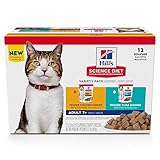
Overview: Hill’s Science Diet Adult 7+ brings veterinary-endorsed nutrition to the senior cat food market in a convenient pouch format. This variety pack includes chicken and tuna stew recipes designed for cats seven and older, emphasizing digestibility and balanced nutrition backed by clinical research.
What Makes It Stand Out: As the #1 veterinarian-recommended brand, Hill’s carries significant professional credibility. The inclusion of taurine supports cardiac health, while balanced minerals promote kidney and bladder function. Natural fibers aid digestion—critical for senior cats with slowing gastrointestinal systems. Omega-6s, omega-3s, and vitamin E target skin and coat health, common concerns in aging felines.
Value for Money: At roughly $1.00-$1.20 per 2.8-ounce pouch, this sits in the mid-range category. You’re paying for scientific formulation and veterinary trust rather than premium ingredients alone. The price reflects research investment and quality control, offering reasonable value for owners seeking vet-approved nutrition without premium-brand pricing.
Strengths and Weaknesses: Strengths include professional endorsement, proven digestibility, balanced mineral content, and omega fatty acid supplementation. The stew texture provides hydration. Weaknesses include grain content that may irritate sensitive cats, and pouches can be messy to empty completely. Some cats prefer paté over stew chunks. The protein level is moderate, not high.
Bottom Line: A trustworthy, scientifically-formulated option for owners prioritizing veterinary approval. Best for generally healthy seniors needing balanced nutrition rather than those requiring specialized medical diets.
4. Royal Canin Feline Health Nutrition Aging 12+ Senior Thin Slices in Gravy Cat Food, 3 oz (Pack of 12)

Overview: Royal Canin Aging 12+ addresses the advanced needs of cats entering their geriatric years. This thin-slices-in-gravy formula provides precisely balanced nutrition for cats over 11, focusing on maintaining vitality when health challenges accelerate. The 12-can pack offers targeted support beyond basic senior formulas.
What Makes It Stand Out: The proprietary HealthyAge7 Complex delivers comprehensive support: tryptophan, EPA, and DHA for cognitive function; taurine and vitamin A for vision; linoleic acid and zinc for skin and coat. The energy-dense, highly palatable formula combats age-related appetite decline—a critical feature for cats losing weight. This represents true geriatric nutrition, not just adult food relabeled.
Value for Money: At approximately $1.50 per 3-ounce can, this commands premium pricing. However, for cats 12+ experiencing cognitive decline, vision issues, or appetite loss, the specialized formulation justifies the investment. Generic senior foods simply don’t offer this level of targeted support for advanced aging.
Strengths and Weaknesses: Strengths include appetite stimulation, cognitive support nutrients, precise geriatric formulation, and excellent palatability. The gravy texture aids hydration. Weaknesses include high cost, inclusion of corn and wheat gluten, and strong aroma some owners find unpleasant. The specialized nature makes it overkill for younger seniors.
Bottom Line: Best suited for cats 12+ showing signs of advanced aging or appetite decline. The targeted nutrition justifies the premium price for this specific demographic, but younger seniors won’t benefit enough to warrant the cost.
5. Purina Fancy Feast Senior Wet Cat Food 7 Years Plus Beef Feast Pate - (Pack of 24) 3 oz. Cans

Overview: Purina Fancy Feast Senior Beef Pate mirrors its chicken counterpart, offering a protein alternative for cats seven and older. This 24-can pack provides the same senior-specific nutritional balance in a beef-based formula, giving owners options for cats developing flavor preferences or sensitivities.
What Makes It Stand Out: Like the chicken variety, this beef formula excludes artificial colors and preservatives while delivering 100% complete nutrition for seniors. The real beef content provides a novel protein option for rotation feeding, helping prevent food boredom. Purina’s nutritionist partnerships and U.S. manufacturing with stringent quality checks ensure consistency across flavors.
Value for Money: Maintaining the same aggressive pricing structure at roughly $0.50-$0.60 per can, this represents outstanding value. The ability to rotate proteins without switching brands or breaking the budget is a significant advantage. Multi-cat households particularly benefit from this cost-effective approach to variety.
Strengths and Weaknesses: Strengths include affordability, brand reliability, convenient packaging, and protein variety. The beef formula works well for cats tiring of poultry. Weaknesses mirror the chicken version: moderate protein levels, meat by-products, and grain thickeners. Some nutritionists argue beef is less ideal than poultry for obligate carnivores. The pate texture may not suit all preferences.
Bottom Line: An economical way to add protein variety to a senior cat’s diet. Perfect for Fancy Feast loyalists seeking rotation options. Stick with the chicken version if your cat has no preference, as poultry typically offers better digestibility for felines.
6. Reveal Natural Wet Senior Cat Food Flakes, Limited Ingredient, Grain-Free with High Protein with No Artificial Additives, Tuna Fillet Flakes in Mousse (8 x 2.47 oz Cans)

Overview:
Reveal Natural Wet Senior Cat Food delivers a premium, limited-ingredient approach specifically for aging cats. This grain-free formula features tuna fillet flakes in a soft mousse texture, prioritizing ingredient simplicity over complex formulations. Each 2.47-ounce can provides high-protein nutrition without artificial additives, catering to seniors with sensitive systems.
What Makes It Stand Out:
The genuinely limited ingredient philosophy distinguishes Reveal from competitors that merely reduce components. With whole tuna as the primary ingredient and a mousse consistency gentle on aging teeth and gums, it directly addresses senior-specific challenges. The complete absence of grains, artificial colors, flavors, and preservatives makes it exceptionally suitable for cats with food sensitivities or digestive issues.
Value for Money:
Priced at approximately $0.40-0.50 per ounce, Reveal commands a premium. The eight-can pack offers less bulk savings than larger cases, but you’re investing in ingredient integrity rather than volume. For cats requiring elimination diets or suffering from allergies, this cost is justified compared to prescription alternatives, though budget-conscious owners may find it expensive for daily feeding.
Strengths and Weaknesses:
Strengths include exceptional ingredient transparency, high palatability for most felines, and a texture perfect for seniors with dental decline. The grain-free, limited formula supports sensitive stomachs and reduces allergen exposure. Weaknesses include the high price point, small can size creating more packaging waste, and limited retail availability. Some picky eaters may reject the mousse consistency, and the single-protein format lacks dietary rotation benefits.
Bottom Line:
Reveal is an excellent choice for senior cats with food sensitivities or owners prioritizing clean, minimal ingredient lists above all else. While expensive, the quality justifies the premium for cats requiring simplified nutrition.
7. Purina Fancy Feast Senior Wet Cat Food 7 Years Plus Chicken Feast in Gravy Minced - (Pack of 24) 3 oz. Cans

Overview:
Purina Fancy Feast Senior Chicken Feast provides targeted nutrition for cats seven and older in a familiar, highly palatable format. This 24-pack of 3-ounce cans delivers minced chicken in gravy, offering complete and balanced meals specifically formulated to support aging feline health. As a product from the industry’s leading palatability brand, it ensures senior cats receive proper nutrition they’ll actually consume.
What Makes It Stand Out:
Fancy Feast leverages decades of taste research to create a senior formula that doesn’t compromise on flavor. The senior-specific nutrient profile addresses age-related concerns while maintaining the taste cats love. Purina’s stringent quality control and U.S. manufacturing facilities undergo regular safety checks, providing peace of mind for owners of vulnerable senior pets.
Value for Money:
At roughly $0.25-0.30 per ounce, this represents exceptional value. The 24-can bulk packaging drives per-meal costs significantly below premium competitors. For households feeding senior cats daily, it’s among the most economical age-specific options available without sacrificing complete nutrition or palatability.
Strengths and Weaknesses:
Strengths include ubiquitous availability, proven palatability across millions of cats, senior-specific nutrient enhancements, and affordability that suits multi-cat households. The minced texture appeals to most felines. Weaknesses include the presence of meat by-products and grains (not grain-free), artificial flavors despite the no colors/preservatives claim, and lower protein density compared to premium alternatives. The ingredient list prioritizes cost over pristine sourcing.
Bottom Line:
Fancy Feast Senior Chicken is a reliable, budget-friendly choice for senior cat owners who prioritize value and guaranteed consumption over premium ingredients. It’s ideal for consistent, daily senior nutrition.
8. Purina ONE Grain Free, Natural Senior Pate Wet Cat Food, Vibrant Maturity 7+ Chicken & Ocean Whitefish Recipe - (Pack of 24) 3 oz. Pull-Top Cans

Overview:
Purina ONE Vibrant Maturity 7+ bridges the gap between premium formulations and mainstream accessibility with this grain-free pate. This veterinarian-recommended recipe combines chicken and ocean whitefish to support senior cats’ muscle maintenance and cardiac health. The pull-top cans add convenience for owners with mobility issues.
What Makes It Stand Out:
The veterinary recommendation distinguishes Purina ONE from standard grocery brands. The “0% fillers” promise ensures every ingredient serves a nutritional purpose, while the grain-free formulation addresses growing consumer demand for specialty diets from trusted mass-market brands. Real chicken as the first ingredient provides quality protein without boutique pricing.
Value for Money:
At approximately $0.30-0.35 per ounce, Purina ONE positions itself as a mid-tier option. It’s pricier than standard Fancy Feast but 30-40% cheaper than ultra-premium brands. The 24-can pack delivers solid bulk value for grain-free senior nutrition, making it accessible for owners wanting specialty diets without premium costs.
Strengths and Weaknesses:
Strengths include credible veterinary endorsement, purposeful grain-free formulation, real chicken leading the ingredient list, and no filler ingredients. The pate texture suits cats preferring smooth consistencies. Weaknesses include the ocean whitefish, which raises mercury concerns for long-term senior feeding, and the pate texture that many cats reject. The formula also contains less protein than some premium limited-ingredient diets and includes some plant-based proteins.
Bottom Line:
Purina ONE Vibrant Maturity is an excellent middle-ground choice for owners wanting grain-free senior nutrition with veterinary backing. It’s particularly suitable for cats who accept pate textures and owners seeking trusted brand reliability at moderate prices.
9. Purina Fancy Feast Senior Wet Cat Food 7 Years Plus Tuna Feast In Gravy Minced - (Pack of 24) 3 oz. Cans

Overview:
Purina Fancy Feast Senior Tuna Feast mirrors its chicken counterpart but offers seafood variety for senior cats seven and older. This 24-pack provides minced tuna in gravy with complete and balanced nutrition tailored to aging felines. It allows flavor rotation within the same trusted senior line, addressing taste fatigue without brand switching.
What Makes It Stand Out:
The tuna variant maintains Fancy Feast’s proven senior-specific nutrient profile while diversifying protein sources. This addresses a common challenge: keeping senior cats interested in food as their senses decline. The ability to rotate proteins within one consistent nutritional framework prevents digestive upset while combating picky eating behaviors common in older cats.
Value for Money:
Sharing the chicken version’s price point at roughly $0.25-0.30 per ounce, this delivers strong value. The bulk 24-can format keeps costs low, and offering variety without changing brands maintains nutritional consistency. For owners wanting to spice up their senior cat’s menu economically, it’s an efficient solution.
Strengths and Weaknesses:
Strengths include affordability, brand trustworthiness, senior-specific formulation, and flavor diversity that combats mealtime boredom. The minced texture remains widely appealing. Weaknesses include not being grain-free, containing by-products, and the tuna ingredient raising legitimate mercury bioaccumulation concerns in senior cats. Some felines, particularly those with kidney issues, may require phosphorus restriction that seafood-based foods don’t provide.
Bottom Line:
This tuna variant works excellently for rotation in a senior cat’s diet but shouldn’t serve as the sole long-term protein source. It’s best used alongside the chicken formula to provide economical variety while maintaining consistent senior nutrition.
10. Sheba Perfect Portions Wet Cat Food Cuts in Gravy, Cat Food Wet Recipe, Roasted Chicken Entree and Turkey Entree, Variety Pack, Twin-Pack Trays (12 Count, 24 Servings)

Overview:
Sheba Perfect Portions revolutionizes mealtime convenience with its twin-pack tray system, offering roasted chicken and turkey entrees in gravy. While not specifically formulated for seniors, its grain-free recipe and portion-controlled design appeal to aging cat owners. Each 1.32-ounce serving eliminates leftovers entirely, ensuring peak freshness for finicky senior appetites.
What Makes It Stand Out:
The packaging innovation is the true star—each serving is freshly opened, preventing the refrigeration issues that plague partial cans and cause senior cats to reject leftovers. This zero-waste approach is invaluable for cats with fluctuating appetites. The variety pack combats taste fatigue, while the grain-free formula aligns with modern nutritional preferences.
Value for Money:
At approximately $0.45-0.50 per ounce, Sheba commands premium pricing. However, the cost reflects convenience and waste elimination rather than superior senior-specific nutrition. For single-cat households or cats eating small, frequent meals, it can be cost-effective by preventing spoilage. Multi-cat homes will find better value elsewhere.
Strengths and Weaknesses:
Strengths include unmatched convenience, optimal portion sizes, grain-free formulation, and variety that keeps seniors engaged. The twin-pack design ensures every meal is fresh. Weaknesses include higher cost per ounce, significant environmental packaging waste, and lack of senior-specific nutrients like enhanced joint support, controlled phosphorus, or added omega-3s for cognitive health.
Bottom Line:
Sheba Perfect Portions excels for convenience and portion control but shouldn’t replace senior-specific formulas for cats with age-related health concerns. It’s ideal for supplementing a senior diet or for healthy older cats without special nutritional needs.
Understanding the Unique Nutritional Needs of Senior Cats
The Metabolic Shift in Aging Felines
Around age 11, cats transition into their senior phase, and by 15 they enter the geriatric category. This isn’t just a label—it represents profound physiological changes. Their metabolic rate decreases by approximately 20-30%, while protein requirements paradoxically increase due to reduced digestive efficiency. Muscle wasting, or sarcopenia, becomes a silent threat, making high-quality protein not just beneficial but essential for survival. Your senior cat’s body becomes less adept at absorbing nutrients, meaning every calorie must deliver maximum nutritional density.
Why “Senior” Isn’t a One-Size-Fits-All Label
Here’s a critical insight that many pet parents miss: “senior” on a cat food label is a marketing term, not a regulated standard. Unlike “kitten” or “growth” formulas that must meet specific AAFCO requirements for development, senior formulations have no legal nutritional definition. This means one brand’s senior formula might be nearly identical to their adult maintenance recipe, while another might be a genuinely therapeutic formulation. The key is understanding that your 12-year-old cat’s needs differ significantly from your 18-year-old’s, and neither may perfectly align with what a generic “senior” label offers.
The Critical Role of Hydration
Aging felines experience a diminished thirst drive, making them chronically susceptible to dehydration. Their kidneys become less efficient at concentrating urine, increasing the risk of chronic kidney disease—a condition affecting over 30% of cats over 10 years old. Wet food naturally contains 75-85% moisture, transforming mealtime into a hydration opportunity. This isn’t just about preventing thirst; it’s about reducing the workload on aging kidneys, supporting urinary tract health, and ensuring adequate blood volume for proper organ function.
Key Nutrients That Define Premium Senior Cat Food
High-Quality Animal Protein Sources
The protein debate in senior cat nutrition has evolved significantly. While outdated advice once suggested reducing protein for older cats, current veterinary nutrition emphasizes increasing high-quality protein to combat muscle loss. Look for named animal proteins (chicken, turkey, salmon) as the first several ingredients. The biological value matters—eggs score a perfect 100, while chicken and fish hover around 90-95. These provide complete amino acid profiles, particularly taurine, which remains non-negotiable for heart and eye health throughout life.
Omega-3 Fatty Acids for Brain and Joint Health
Docosahexaenoic acid (DHA) and eicosapentaenoic acid (EPA) aren’t just trendy additions—they’re neuroprotective powerhouses. Senior cats experience cognitive decline similar to humans, with studies showing omega-3 supplementation can improve memory and alertness in aging felines. Sourced from fish oil or algae, these fatty acids also combat inflammation in arthritic joints, potentially reducing the need for pain medications. Aim for formulas that list fish oil or specify omega-3 content in the guaranteed analysis.
Glucosamine and Chondroitin for Mobility
While not cure-alls, these joint-supporting compounds can meaningfully improve quality of life for cats with osteoarthritis. The challenge? Cats require specific dosages to be effective—typically 100-200mg of glucosamine daily. Many commercial foods include token amounts for label appeal. Truly therapeutic levels are rare in over-the-counter foods, but premium senior formulas increasingly include meaningful quantities. Check for specific mg amounts rather than just presence on the ingredient list.
Antioxidants for Immune System Support
Aging immune systems become less efficient, a phenomenon called immunosenescence. Vitamin E, vitamin C, beta-carotene, and selenium act as cellular bodyguards, neutralizing free radicals that damage tissues. More advanced formulations now include novel antioxidants like astaxanthin from algae or polyphenols from berries. These compounds don’t just support immunity—they may slow cognitive decline and support retinal health, critical for cats whose night vision is deteriorating.
Digestive Enzymes and Probiotics
Senior cats often suffer from reduced pancreatic enzyme production and altered gut microbiomes. Added proteases, lipases, and amylases can improve nutrient absorption, while specific probiotic strains like Bifidobacterium animalis support gut health and reduce inflammation. The presence of prebiotics such as chicory root or inulin feeds beneficial bacteria, creating a symbiotic effect that enhances digestive efficiency and supports the immune system, since 70% of immunity resides in the gut.
Ingredients to Prioritize on the Label
Named Meat Proteins as First Ingredients
The ingredient list reveals a formula’s true priorities. “Chicken,” “turkey liver,” or “salmon” should dominate the first five ingredients. Be wary of vague terms like “meat” or “poultry”—these can include unspecified sources and vary batch to batch. Organ meats like liver and kidney are nutrient-dense bonuses, providing vitamin A, B vitamins, and trace minerals in highly bioavailable forms. The more specific the ingredient name, the better the quality control.
Natural Moisture Content Above 75%
While all wet foods contain moisture, the source matters. Premium formulas achieve high moisture through meat broths and natural meat juices, not just added water. Look for “chicken broth” or “fish broth” high on the ingredient list—these provide flavor and nutrients alongside hydration. Some revolutionary 2026 formulations now include structured water or gelled moisture that releases slowly, keeping cats hydrated longer between meals.
Taurine and Essential Amino Acids
Taurine deficiency can cause dilated cardiomyopathy and retinal degeneration—conditions particularly devastating in senior cats whose organ reserve is already compromised. While all complete foods must contain minimum taurine levels (0.05% for wet food), premium senior formulas often exceed this significantly. Methionine and cysteine are also crucial as they’re taurine precursors. The best foods list these specifically rather than relying on meat alone to provide them.
Low-Glycemic Vegetables in Minimal Amounts
Cats are obligate carnivores, but small amounts of vegetables can provide fiber and antioxidants. The key is low-glycemic options like pumpkin, zucchini, or blueberries that won’t spike blood sugar—a significant concern for senior cats at risk for diabetes. These should appear far down the ingredient list, after all protein sources. Avoid foods where peas, potatoes, or carrots dominate the top ingredients, as these indicate carbohydrate-heavy formulations inappropriate for aging felines.
Ingredients to Avoid for Senior Cats
Unspecified Meat By-products and Meals
“Meat by-products” can include nutritionally valuable organ meats but also low-quality tissues. The real problem is the lack of specificity—when the source isn’t named, you can’t verify quality or consistency. For senior cats with sensitive systems, this variability can trigger digestive upset or allergic reactions. “Chicken meal” is acceptable if from a named source and properly processed, but avoid generic “meat meal” or “animal digest.”
High-Carbohydrate Fillers
Aging cats become more insulin-resistant, making carbohydrate control critical. Ingredients like wheat gluten, corn starch, rice flour, and potato starch have no place in quality senior cat food. Not only do they spike blood sugar, but they also displace valuable protein and add empty calories that contribute to obesity—a condition that accelerates arthritis and diabetes risk. The carbohydrate content should be under 10% on a dry matter basis for optimal senior health.
Artificial Preservatives and Colors
BHA, BHT, and ethoxyquin are chemical preservatives linked to potential health concerns, particularly with long-term exposure. Senior cats’ reduced organ function makes them less able to process these compounds. Artificial colors like Red 40 or Blue 2 serve no nutritional purpose and may cause hypersensitivity reactions. Premium 2026 formulations increasingly use natural preservatives like mixed tocopherols (vitamin E) and rosemaryAs our beloved feline companions enter their golden years, their nutritional needs undergo a quiet revolution. The energetic kitten who once devoured anything in sight now requires a carefully curated diet that supports aging joints, declining kidney function, and a metabolism that’s no longer firing on all cylinders. Choosing the right wet cat food for your senior cat isn’t just about filling a bowl—it’s about crafting a wellness strategy that can add quality years to their life. With 2026 bringing unprecedented advances in feline nutrition science, understanding what makes a wet food truly exceptional for your aging cat has never been more critical.
The landscape of senior cat nutrition has evolved dramatically, moving beyond simple age labeling to embrace sophisticated formulations that address the multifaceted challenges of feline aging. Today’s premium wet foods for senior cats are engineered with precision, incorporating novel proteins, functional supplements, and moisture-rich compositions that work synergistically to support everything from cognitive function to digestive health. But with this abundance of options comes the challenge of separating marketing hype from genuine nutritional innovation.
Understanding Your Senior Cat’s Evolving Nutritional Needs
Why Age Changes Everything for Your Cat’s Diet
Cats are considered senior around age 11, and their bodies begin orchestrating a complex series of physiological changes that demand dietary adjustments. Protein digestion efficiency declines by up to 30% in some cats, meaning that the same food they’ve eaten for years may no longer provide adequate amino acid absorption. Their ability to conserve water diminishes, making moisture-rich diets non-negotiable rather than optional. Moreover, the aging feline immune system requires targeted antioxidant support that generic adult formulas simply don’t provide.
Key Physiological Changes in Senior Cats
Beyond the visible signs of graying muzzles and decreased activity, senior cats experience reduced olfactory sensitivity that can slash appetite by half. Their gastrointestinal tract becomes more permeable, increasing the risk of food sensitivities they’ve never had before. Kidney function gradually declines in most cats over age 12, elevating the importance of phosphorus management and hydration. Even their body composition shifts, with muscle mass naturally decreasing while fat accumulation increases—a phenomenon called sarcopenia that proper nutrition can significantly mitigate.
The Wet Food Advantage for Aging Felines
Hydration: Your Senior Cat’s Silent Health Guardian
Wet food delivers 70-85% moisture compared to dry food’s paltry 10%, providing a stealth hydration boost that supports kidney filtration and prevents the chronic low-grade dehydration that plagues many senior cats. This moisture content becomes even more crucial in 2026 as climate variability increases household temperatures, accelerating water loss. The water in wet food is intracellular, meaning it’s absorbed more efficiently than water from a bowl, which often passes through the digestive tract too quickly for optimal uptake.
Palatability and the Senior Appetite Challenge
The aromatic steam rising from a freshly opened can of wet food triggers olfactory receptors that dry kibble simply can’t reach. For senior cats with diminished sense of smell—a condition known as hyposmia—this aromatic intensity can mean the difference between eating and refusing meals. The soft, yielding texture also accommodates dental discomfort, a common issue in aging cats, while the higher fat content in many wet formulas provides concentrated calories for cats whose appetites have shrunk.
Essential Nutrients Every Senior Cat Needs
Protein Quality Over Quantity
While senior cats need highly digestible protein, the focus should be on biological value rather than sheer percentage. Look for foods featuring muscle meat and organ meats from named species, which provide complete amino acid profiles. The protein source should be the first ingredient, indicating it constitutes the largest portion of the formula. In 2026, we’re seeing increased use of hydrolyzed proteins that are pre-digested for maximum absorption, particularly beneficial for cats with compromised digestive function.
Omega-3s: The Anti-Aging Fatty Acids
EPA and DHA from marine sources support cognitive function, reducing the risk of feline cognitive dysfunction syndrome that affects over 50% of cats over 15. These fatty acids also combat inflammation in aging joints and support kidney health by reducing glomerular inflammation. The ideal senior formula should contain at least 0.3% combined EPA and DHA on a dry matter basis, with transparent sourcing from sustainable fisheries.
Antioxidants for Cellular Protection
Vitamin E, vitamin C, taurine, and lutein work as a cellular defense team against oxidative stress that accelerates aging. Senior-specific formulations now incorporate novel antioxidants like astaxanthin and polyphenols from berries, which cross the blood-brain barrier to protect neural tissue. These compounds support immune function, which naturally declines with age, making your cat more susceptible to infections and chronic disease.
Fiber and Digestive Wellness
Moderate, fermentable fiber from sources like pumpkin or chicory root supports the aging gut microbiome, which becomes less diverse in senior cats. This fiber promotes regular bowel movements without adding excessive carbohydrates, and serves as a prebiotic to nourish beneficial bacteria. The right fiber balance can also help manage hairballs, which become more problematic as gastrointestinal motility slows with age.
Decoding the Ingredient List: What to Look For
Named Animal Proteins as Primary Ingredients
“Chicken,” “turkey liver,” and “salmon” tell you exactly what your cat is eating, while “meat by-products” or “animal digest” obscure the protein source. The first three ingredients should be specific animal proteins or broths, establishing a carnivore-appropriate foundation. In 2026, traceability has become a key quality marker, with premium manufacturers providing sourcing information down to the farm or fishery.
Moisture Content That Matters
While all wet foods are moist, the best senior formulas balance moisture with nutrient density. Look for products where moisture content sits between 75-82%—enough to provide hydration benefits without diluting essential nutrients. Some innovative brands are now incorporating structured water or gelled broths that release moisture more slowly during digestion, maximizing absorption.
Beneficial Supplements and Additives
Beyond basic nutrition, premium senior foods include targeted supplements. Glucosamine and chondroitin support joint cartilage, though they must be included at therapeutic levels (at least 300 mg/kg combined). Probiotics specific to feline species help maintain gut integrity, while L-carnitine supports fat metabolism and lean muscle maintenance. Newer additions include medium-chain triglycerides for brain health and nucleotides for immune support.
Red Flags: Ingredients to Avoid in Senior Cat Food
The Trouble with Unspecified By-products
While organ meats are nutritious, “by-products” without species specification can include low-quality tissues with reduced digestibility. For senior cats with compromised digestive efficiency, this ambiguity is particularly problematic. The same caution applies to “meat meal” versus “chicken meal”—the more specific, the better the quality control and digestibility.
Carbohydrate Overload Concerns
Senior cats have limited ability to process carbohydrates, yet many wet foods use starches as binders. Look for foods where potatoes, rice, or peas appear far down the ingredient list, not in the top five. Excessive carbs contribute to obesity and can spike blood glucose, particularly concerning for senior cats at risk for diabetes. The ideal senior wet food keeps carbohydrates under 10% on a dry matter basis.
Artificial Preservatives and Colors
BHA, BHT, and ethoxyquin, while effective preservatives, have raised concerns about long-term safety. Senior cats, with their reduced detoxification capacity, are more vulnerable to potential cumulative effects. Artificial colors serve no nutritional purpose and may trigger sensitivities. In 2026, natural preservation through vitamin E (mixed tocopherols) and rosemary extract has become the gold standard.
Special Health Considerations for Senior Cats
Managing Kidney Health Through Diet
Even cats without diagnosed kidney disease benefit from controlled phosphorus levels (under 250 mg/100 kcal) and moderate protein that’s high-quality but not excessive. The key is balancing kidney support with preventing muscle wasting, which requires careful protein management. Potassium citrate is often added to support kidney function and counteract metabolic acidosis common in aging cats.
Weight Management: Too Much vs. Too Little
Obesity stresses aging joints and organs, but unintended weight loss is equally dangerous for seniors. Wet food helps with both: high moisture and fiber promote satiety for overweight cats, while concentrated nutrition and palatability support underweight cats. The key is selecting the right caloric density—some senior formulas are intentionally calorie-dense for easy keepers, others are lean for weight loss.
Dental Health Myths and Realities
While wet food doesn’t provide the mechanical cleaning action of dry food, this is largely irrelevant for senior cats who often have missing or painful teeth. The notion that wet food causes dental disease has been largely debunked; genetics, saliva quality, and overall health play far larger roles. In fact, wet food’s soft texture allows senior cats to eat comfortably despite dental issues.
Food Sensitivities in Aging Cats
The leaky gut syndrome that can develop in senior cats means new food intolerances may emerge. Novel protein sources—like rabbit, duck, or venison—can be beneficial for cats showing signs of sensitivity. Hydrolyzed protein diets, where proteins are broken down to prevent immune recognition, represent the cutting edge for managing senior food intolerances.
Texture Matters: Finding the Right Consistency
Pâté, Shredded, or Morsels: What’s Best?
Pâté styles offer uniform texture that’s easy to lap up, ideal for cats with dental pain or reduced jaw strength. Shredded or flaked textures provide sensory variety that can stimulate appetite in finicky seniors. Morsels in gravy often appeal to cats who lick the gravy and leave the solids—a common behavior that can lead to incomplete nutrition if the gravy is just thickened water.
Gravy, Broth, or Gelée: Making the Right Choice
True bone broth provides collagen and minerals, while gravy often contains starchy thickeners with minimal nutrition. Gelée formulations, set with natural gelatin, offer a middle ground with some nutritional benefit. For senior cats, broth-based options provide extra hydration and palatability, though you should ensure the meat content isn’t diluted.
Reading Labels Like a Veterinary Nutritionist
Guaranteed Analysis Explained
This required panel shows minimums and maximums, but the numbers can be misleading due to moisture content. To compare foods accurately, convert to dry matter basis by subtracting moisture percentage from 100, then recalculating. For senior cats, aim for at least 35% protein and 15% fat on a dry matter basis, with fiber between 2-5%.
Ingredient Order and Its Importance
Ingredients are listed by weight before cooking, meaning fresh meat weighs more due to water content. This is why you’ll often see meat first, followed by meat meals, which are concentrated protein sources. The first five ingredients typically comprise 80% of the food’s composition—scrutinize these carefully for quality and appropriateness.
Marketing Buzzwords vs. Nutritional Facts
“Senior,” “mature,” and “golden age” are marketing terms with no legal definition. “Complete and balanced” backed by AAFCO feeding trials is what matters. “Natural” means minimally processed without synthetic ingredients, while “holistic” has no regulatory meaning. In 2026, look for foods that specify life stage testing rather than just meeting nutrient profiles.
Feeding Strategies for Optimal Health
Portion Control and Caloric Density
Senior cats need 20-30 fewer calories per day for each year past age 10, but this varies dramatically based on activity level and health status. Calculate your cat’s resting energy requirement (RER = 70 × body weight in kg^0.75), then adjust for activity. Wet food’s high moisture means larger portion sizes for the same calories, which can psychologically satisfy cats used to bigger meals.
Meal Timing and Frequency
Smaller, more frequent meals (3-4 times daily) support stable blood sugar and reduce the metabolic burden on aging organs. This approach also accommodates the smaller stomach capacity many senior cats develop. Automated feeders can help maintain this schedule, but fresh meals served at room temperature maximize aroma and palatability.
The Safe Transition Protocol
Gradual Introduction Techniques
Never switch foods abruptly in senior cats, who are prone to gastrointestinal upset and food aversion. The 7-10 day transition should start with 25% new food mixed with 75% old, gradually increasing proportions. For particularly sensitive seniors, extend this to 14 days and consider adding a feline-specific probiotic to ease the microbial shift.
Signs of Successful (or Problematic) Transition
Improved coat sheen, stable weight, and consistent litter box habits indicate success. Watch for red flags: persistent diarrhea beyond 48 hours, complete appetite loss, or vomiting more than once. Senior cats can dehydrate quickly, so any digestive upset lasting more than a day warrants veterinary attention and possibly slowing the transition further.
Quality vs. Cost: Making Smart Investments
Understanding Price Tiers
Budget foods often rely on plant proteins and unnamed by-products, while premium options feature named meats and therapeutic supplements. Super-premium foods in 2026 include functional ingredients backed by clinical research. However, the most expensive isn’t always best—match the food to your cat’s specific needs rather than assuming price equals perfection.
When Budget Options Make Sense
If your senior cat is healthy, maintaining weight, and has normal bloodwork, a mid-tier food with named proteins and moderate carbs may be perfectly adequate. The key is avoiding the lowest tier with vague ingredients and excessive fillers. Many cats thrive on moderately priced options that prioritize fundamentals over fancy functional ingredients they may not need.
Sustainability and Ethical Considerations
Eco-Friendly Packaging Innovations
2026 has seen a shift toward recyclable aluminum trays and biodegradable pouches that reduce landfill waste. Some manufacturers now offer refillable containers at partner veterinary clinics. While packaging doesn’t affect nutrition, it reflects a company’s overall commitment to quality and responsibility.
Responsible Ingredient Sourcing
Look for certifications like Marine Stewardship Council for fish or free-range claims for poultry. These ensure not just ethical treatment but often higher nutrient quality. Companies that invest in sustainable sourcing typically invest more in nutritional research as well, creating a correlation between ethical practices and product excellence.
Collaborating with Your Veterinary Team
The Importance of Regular Nutritional Assessments
Annual bloodwork and body condition scoring provide objective data to guide food selection. Your vet can identify early kidney changes, thyroid issues, or diabetes that require specific dietary modifications. These assessments should include muscle mass evaluation, as sarcopenia can be subtle but devastating.
Key Questions to Ask Your Vet
Bring ingredient labels to appointments and ask: “Does this phosphorus level suit my cat’s kidney health?” “Is the protein appropriate for my cat’s muscle mass?” “Are there any interactions with my cat’s medications?” Your vet’s understanding of your individual cat’s health trumps any general recommendation.
Future Innovations in Senior Cat Nutrition
Personalized Nutrition Approaches
Emerging companies in 2026 are offering custom formulations based on your cat’s bloodwork, microbiome analysis, and genetic markers. While still premium-priced, this trend represents the future of feline nutrition. At-home testing kits can now provide data to fine-tune food selection without full customization.
Functional Ingredients on the Horizon
Postbiotics—non-living bacterial metabolites—are showing promise for immune support without the stability issues of live probiotics. Collagen peptides from marine sources are being studied for joint and skin health. These ingredients are beginning to appear in cutting-edge senior formulas and may become standard by 2027.
Common Pitfalls to Sidestep
One-Size-Fits-All Thinking
A 12-year-old cat with kidney disease needs vastly different nutrition than a 15-year-old with hyperthyroidism. Age alone doesn’t dictate dietary needs—health status, body condition, and individual metabolism do. The “senior” label is a starting point, not a prescription.
Falling for Fads Over Science
Novel proteins, grain-free formulations, and raw-inspired recipes are trendy but may not suit your senior cat. Grain-free foods often substitute starches that are higher in carbs than the grains they replace. Focus on evidence-based nutrition rather than marketing narratives, especially for cats with health conditions.
Frequently Asked Questions
How do I know when my cat officially needs senior-formulated wet food?
Most cats benefit from senior formulations around age 11, but the transition should be based on health markers rather than age alone. If your cat shows reduced muscle mass, decreased activity, or early kidney changes on bloodwork, it’s time to switch—even if they’re only 9 or 10. Conversely, a vibrant 13-year-old with excellent bloodwork may thrive on an adult maintenance formula.
My senior cat has become extremely picky. Is wet food the solution?
Wet food’s aromatic profile and varied textures often reignite interest in eating, but pickiness can signal underlying issues. Dental pain, kidney disease, or gastrointestinal discomfort frequently manifest as food refusal. Before assuming it’s just preference, have your vet rule out medical causes. Once cleared, offer multiple textures and flavors to identify preferences.
Are grain-free wet foods better for senior cats?
Not necessarily. The grain-free trend was driven by canine concerns and doesn’t address feline nutritional needs. Cats don’t have a carbohydrate requirement, but small amounts of grains can provide beneficial fiber and nutrients. Many grain-free formulas replace grains with potatoes or peas that are higher in carbs. Focus on overall carb content and protein quality rather than grain presence.
How much wet food should my senior cat eat daily?
This depends on caloric density and your cat’s needs. A typical 10-pound senior cat requires 200-250 calories daily. Most wet foods provide 70-120 calories per 3-ounce can, so 1.5 to 2.5 cans daily is average. However, individual metabolism varies dramatically—monitor body condition and adjust portions to maintain a healthy weight rather than following label recommendations blindly.
Can wet food alone meet all my senior cat’s nutritional needs?
Absolutely, provided it’s labeled “complete and balanced” for adult maintenance or senior life stages. Quality wet foods contain all essential vitamins, minerals, and amino acids. The myth that wet food causes nutritional deficiencies stems from the early days of pet food manufacturing. Modern formulations are scientifically balanced and often superior to dry for senior cats.
My cat has early kidney disease but won’t eat prescription food. What should I look for in regular wet food?
Focus on phosphorus under 250 mg per 100 kcal and moderate protein (30-40% dry matter) from high-quality sources. Avoid foods with bone meal or fish meal, which are naturally high in phosphorus. Some non-prescription senior foods meet these criteria. Work with your vet to find a palatable option that supports kidney health without the prescription price tag or taste.
Is it normal for my senior cat to drink less water when eating wet food?
Yes, and this is actually beneficial. Wet food provides 70-85% of their daily water needs, reducing the drive to drink. This is particularly advantageous for senior cats whose thirst response is blunted. Monitor hydration by checking skin elasticity and litter box moisture—well-hydrated cats produce abundant, pale urine. As long as these signs are normal, reduced water bowl drinking is expected.
How do I balance cost and quality when feeding multiple senior cats?
Feed a mid-tier food with named proteins and controlled phosphorus to all cats as a baseline, then supplement individually as needed. Cats with specific health issues might get a premium therapeutic food, while healthy seniors thrive on the base diet. Buying larger cans and proper storage reduces cost, and many quality brands offer multi-buy discounts or subscription services in 2026.
Should I warm my senior cat’s wet food?
Warming to room temperature or slightly above dramatically increases aroma, which stimulates appetite in cats with diminished smell. Never microwave in the can—transfer to a dish and warm for 5-10 seconds. Test temperature before serving. For cats who graze, consider offering smaller, fresh portions more frequently rather than leaving out food that loses its aromatic appeal.
Are there any ingredients uniquely beneficial for senior cats in 2026 formulations?
Yes, several cutting-edge ingredients are now standard in premium senior foods. Postbiotics provide immune support without refrigeration concerns. Marine collagen peptides support joint and skin health. MCT oil offers easily digestible energy for cats with metabolic issues. L-theanine helps manage stress, which can affect appetite. When evaluating foods, look for these research-backed additions that address specific senior cat challenges.
See Also
- 10 Essential Wet Cat Food Every Senior Cat Needs in 2026
- 10 Wet Cat Food That Solve Low Appetite in Senior Cats in 2026
- The 10 Ultimate Best Pate Wet Cat Food for Senior Felines in 2026
- 10 Best Wet Cat Food After 6 Months of Testing for Senior Cat Palatability in 2026
- 10 Best Wet Cat Food for Senior Felines with Dental Issues in 2026