Table of Contents
If your cat treats your living room like a jungle gym, spends hours stalking imaginary prey, or still has the zoomies at 3 AM, you’ve got an active feline on your hands. These natural-born athletes burn through calories faster than their couch-potato counterparts, and their nutritional needs reflect that high-octane lifestyle. While all cats require protein-rich diets to thrive, active cats need a carefully calibrated balance of quality protein, essential fats, and targeted nutrients to maintain their muscle mass, sustain energy levels, and support recovery after their daily adventures.
Choosing the right high-protein dry food isn’t just about grabbing the bag with the highest protein percentage listed on the front. It’s about understanding what makes a protein source “complete,” recognizing quality ingredients from marketing fluff, and matching your cat’s specific activity level with a formula that fuels their fire without compromising their long-term health. This guide cuts through the noise to equip you with everything you need to make an informed decision for your energetic companion.
Top 10 High Protein Dry Cat Food
Detailed Product Reviews
1. Purina ONE High Protein, Healthy Plus Ideal With Chicken Dry Cat Food Control Formula - 7 lb. Bag

Overview: Purina ONE’s Healthy Weight Control formula delivers targeted nutrition for overweight adult cats through this 7-pound bag. Real chicken leads the ingredient list, providing high-quality protein while L-carnitine supports healthy fat metabolism. This veterinarian-recommended kibble offers complete, balanced nutrition designed to help cats achieve and maintain ideal body condition without feeling deprived or hungry.
What Makes It Stand Out: The L-carnitine inclusion actively promotes fat burning rather than simply cutting calories, creating a metabolic approach to weight management. Four distinct antioxidant sources strengthen immune function, while added calcium and crunchy texture support dental health. The formula contains zero artificial flavors or preservatives, using natural ingredients for palatability.
Value for Money: At the 7-pound size, this offers an accessible entry point for owners testing weight management diets. While pricier per pound than bulk options, it avoids commitment and stays fresh for single-cat households. It costs significantly less than prescription weight-loss diets while delivering similar metabolic support.
Strengths and Weaknesses: Strengths include clinically-researched weight management ingredients, high-quality protein source, dental benefits, and no artificial additives. Weaknesses involve the smaller bag running out quickly in multi-cat homes, and grain-inclusive formulas may not suit cats with sensitivities. The 7-pound size offers poor long-term value.
Bottom Line: This is an excellent starting point for cats needing weight management. The science-backed formula and quality ingredients justify the cost, though larger bags provide better value for ongoing use.
2. Purina ONE Plus High Protein Cat Food Dry Salmon and Ocean Whitefish Cat Skin and Coat Health Formula - 3.5 lb. Bag

Overview: This 3.5-pound bag of Purina ONE Plus targets skin and coat health through a high-protein salmon and ocean whitefish formula. Delivering 38% protein content, this veterinarian-recommended kibble uses real salmon as its primary ingredient. The recipe addresses dermatological needs while maintaining lean muscle mass and overall feline wellness through complete nutrition.
What Makes It Stand Out: The exceptional 38% protein content exceeds most commercial cat foods, supporting lean muscle maintenance and cardiac health. High omega-6 fatty acid levels directly nourish skin and create a glossy coat. The “Plus” designation indicates enhanced nutrient density, while the small kibble size suits cats of all ages and chewing abilities.
Value for Money: The diminutive 3.5-pound bag functions best as a sampler or for households with a single cat. The cost per pound runs higher than larger sizes, making it expensive for long-term feeding. However, it allows owners to test palatability and observe skin improvements before committing to bigger bags, reducing waste risk.
Strengths and Weaknesses: Strengths include premium protein levels, targeted skin support, excellent palatability for fish-loving cats, and complete nutrition without fillers or artificial preservatives. Weaknesses encompass the small bag size offering poor value, fish-based protein which may not suit all preferences, and premium pricing that accumulates quickly with daily feeding.
Bottom Line: Ideal for cats with dull coats or dry skin, this formula delivers visible results. The small bag size limits its value proposition, but it’s perfect for testing effectiveness before purchasing larger quantities.
3. Purina ONE High Protein, Healthy Weight Plus Ideal Weigһt With Chicken Dry Cat Food Wеight Control Formula - 16 lb. Bag
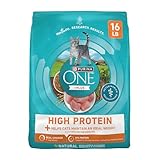
Overview: This 16-pound bag of Purina ONE Healthy Weight formula provides the same veterinarian-recommended nutrition as its smaller counterpart but with significant cost savings for long-term weight management programs. Real chicken remains the primary ingredient, supported by L-carnitine for fat metabolism and high protein content to preserve muscle mass during weight loss in adult cats.
What Makes It Stand Out: The L-carnitine-enhanced formula takes a metabolic approach to weight control rather than simple calorie restriction, helping cats burn fat more efficiently. Four antioxidant sources provide robust immune support, while added calcium and crunchy kibble texture promote dental health. The substantial bag size demonstrates commitment to sustained weight management success.
Value for Money: The 16-pound size offers exceptional per-pound savings compared to the 7-pound option, making it economical for multi-cat households or single-cat long-term use. While the upfront cost is higher, the price per ounce drops substantially—often by 20-30%. This size eliminates frequent reordering and reduces packaging waste over time.
Strengths and Weaknesses: Strengths include outstanding economies of scale, sustained weight management support, high-quality protein, dental benefits, and US manufacturing. Weaknesses involve required storage space and potential freshness concerns for single-cat households if not properly stored in airtight containers. The formula’s grain content may not suit cats with specific food sensitivities.
Bottom Line: For dedicated weight management, this bulk size delivers unmatched value. The proven formula combined with substantial savings makes it the smart choice for households committed to their cat’s healthy transformation.
4. Purina ONE Plus High Protein Cat Food Dry Salmon and Ocean Whitefish Cat Skin and Coat Health Formula - 7 lb. Bag

Overview: This 7-pound bag of Purina ONE Plus Salmon formula scales up the skin and coat recipe for households ready to commit beyond the sampler size. Maintaining 38% protein with real salmon as the first ingredient, it addresses dermatological health while supporting lean muscle mass and cardiac health through high-quality ocean whitefish inclusion and complete nutrient balance.
What Makes It Stand Out: The 38% protein content stands among the highest in commercial cat food, preserving muscle while feeding skin regeneration. Omega-6 fatty acids from fish oils create visible coat improvements within weeks. The “Plus” formulation ensures nutrient density without fillers, while crunchy kibble provides dental benefits alongside dermatological support. The formula’s digestibility maximizes nutrient absorption.
Value for Money: The 7-pound size hits the sweet spot for many households—substantial enough for consistent feeding without excessive storage demands. Per-pound cost improves significantly over the 3.5-pound bag, though remains premium. For cats showing positive skin responses, this size makes economic sense while maintaining freshness in average-sized households.
Strengths and Weaknesses: Strengths include premium protein levels, targeted omega-6 delivery, excellent palatability, veterinarian recommendation, and no artificial additives. Weaknesses include fish-based protein that may not suit all cats, premium pricing compared to chicken formulas, and potential for fish odor. Some cats may develop finicky preferences for fish-only diets.
Bottom Line: A practical size for ongoing skin and coat support. The proven formula delivers results, and this bag size balances cost savings with freshness for most cat households.
5. Purina Cat Chow Naturals With Added Vitamins, Minerals and Nutrients Dry Cat Food, Naturals Original - 13 lb. Bag
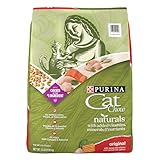
Overview: Purina Cat Chow Naturals offers a budget-friendly, all-life-stages formula in this 13-pound bag. Real chicken leads the ingredient list, complemented by salmon and whole grains to provide complete nutrition for kittens through senior cats. The recipe includes 25 essential vitamins and minerals for comprehensive health support across all life phases.
What Makes It Stand Out: The all-life-stages formulation eliminates need for separate kitten and adult foods in multi-cat households, simplifying feeding routines. Whole grains provide fiber and sustained energy, while omega-6 fatty acids support skin and coat health. The formula delivers 100% complete nutrition without the premium price point of specialized diets, making it accessible for most budgets.
Value for Money: The 13-pound bag offers excellent per-pound pricing, positioning this as one of the best values in natural cat food. For households with cats of varying ages or those prioritizing affordability, this provides respectable nutrition without financial strain. However, the lower protein content (compared to ONE) means less specialized support for specific health conditions.
Strengths and Weaknesses: Strengths include exceptional affordability, versatile all-life-stages formulation, natural ingredients with added vitamins, and widespread availability. Weaknesses involve lower protein content than premium lines, inclusion of grains that may not suit all cats, and lack of targeted health support like weight management or skin-specific nutrients. The formula may contain more carbohydrates than ideal for some cats.
Bottom Line: A solid maintenance diet for budget-conscious households, especially those with cats of different ages. While not specialized, it delivers adequate nutrition at an unbeatable price point for general health maintenance.
6. Blue Buffalo Wilderness Nature’s Evolutionary Diet High-Protein, Grain-Free Natural Dry Food for Adult Cats, Chicken, 6-lb. Bag

Overview: Blue Buffalo Wilderness positions itself as a premium, grain-free solution for adult cats seeking a high-protein diet. The 6-pound bag delivers a chicken-first formula designed to mirror a feline’s ancestral eating patterns, appealing to health-conscious pet owners.
What Makes It Stand Out: The signature LifeSource Bits—dark, nutrient-dense kibbles infused with antioxidants—set this apart from competitors. These cold-formed bits preserve vitamin potency, supporting immune health in a way standard extruded kibble cannot. The grain-free formulation excludes common fillers like corn, wheat, and soy, while the 40% protein content satisfies obligate carnivore requirements.
Value for Money: At approximately $4-5 per pound, this sits in the premium tier. While pricier than grocery store brands, it’s competitive with other grain-free options. The 6-pound size suits single-cat households or trial periods, though multi-cat families will find frequent repurchasing necessary.
Strengths and Weaknesses:
- Strengths: High-quality chicken as primary ingredient; grain-free for sensitive stomachs; immune-supporting LifeSource Bits; no poultry by-products
- Weaknesses: Premium price point; some cats selectively eat around LifeSource Bits; 6-lb bag may be too small for multiple cats; pea protein content may concern some owners
Bottom Line: Ideal for active adult cats with grain sensitivities or owners prioritizing premium nutrition. The unique LifeSource Bits and high protein content justify the cost for discerning pet parents, though the bag size and price require commitment.
7. Nutrish Indoor Complete Premium Natural Dry Cat Food, Chicken with Lentils & Salmon Recipe, 14 Pounds (Packaging May Vary)

Overview: Rachael Ray’s Nutrish Indoor Complete targets the specific needs of indoor cats through a chicken, lentils, and salmon recipe. The 14-pound bag offers extended feeding convenience while emphasizing holistic wellness through its proprietary Whole Health Blend.
What Makes It Stand Out: The philanthropic component distinguishes Nutrish—every purchase supports animal welfare through The Rachael Ray Foundation. The lentil inclusion provides novel fiber sources for hairball control, while omega-3 fatty acids from salmon promote coat health. Natural prebiotics support digestive function, addressing common indoor cat concerns.
Value for Money: This mid-range option delivers excellent value at roughly $2-3 per pound. The substantial 14-pound size reduces reorder frequency for multi-cat households, while the balanced formulation eliminates need for additional supplements.
Strengths and Weaknesses:
- Strengths: Large economical bag size; supports charitable cause; omega-3 and prebiotic inclusion; lentils aid digestion; no artificial flavors
- Weaknesses: Not grain-free (contains rice); lentils may cause gas in some cats; packaging varies; protein level lower than premium alternatives; indoor formula may not suit outdoor cats
Bottom Line: A socially responsible choice delivering solid nutrition for indoor cats. The value-packed 14-pound size and thoughtful ingredient blend make it ideal for budget-conscious owners wanting quality without premium pricing, provided grains aren’t a concern.
8. CRAVE Grain Free Indoor Adult High Protein Natural Dry Cat Food with Protein from Chicken & Salmon, 2 lb. Bag

Overview: CRAVE delivers a protein-forward, grain-free formula in a compact 2-pound bag, targeting indoor adult cats requiring nutrient-dense meals. The chicken and salmon combination promises ancestral diet inspiration with modern convenience for discerning feline palates.
What Makes It Stand Out: The impressive 40% protein content leads its category, using real chicken and salmon as dual primary ingredients. This grain-free recipe eliminates common allergens while providing energy through quality carbohydrates. The small bag size serves as an ideal trial for picky eaters or dietary transitions without long-term commitment.
Value for Money: The 2-pound package commands a premium per-pound price of $5-6, making it expensive for long-term feeding. However, as a sampler or rotational diet component, it offers manageable upfront investment before committing to larger bags, reducing waste if your cat disapproves.
Strengths and Weaknesses:
- Strengths: Exceptional 40% protein content; dual animal protein sources; grain-free formulation; excellent for picky cats; small bag prevents waste
- Weaknesses: Extremely small size increases per-pound cost; not cost-effective for sole diet; limited availability in larger sizes; high protein may overwhelm sedentary cats
Bottom Line: Perfect for introducing variety or testing grain-free tolerance, but impractical as a primary food source due to size and cost. Best utilized as a supplement to a more economical base diet for protein rotation.
9. Purina ONE High Protein, Natural Dry Kitten Food, +Plus Healthy Kitten Formula - 16 lb. Bag

Overview: Purina ONE’s Healthy Kitten Formula addresses the critical growth phase with a high-protein, DHA-enriched recipe. The substantial 16-pound bag supports developing kittens through their first year with veterinarian-recommended nutrition that builds strong muscles and bones.
What Makes It Stand Out: DHA inclusion mirrors mother’s milk, supporting brain and vision development during crucial neurological growth periods. Four antioxidant sources build immune defense, while the SmartBlend technology ensures nutrient bioavailability. The large bag size accommodates the higher caloric needs of growing kittens without frequent reordering.
Value for Money: At approximately $2.50-3 per pound, this offers premium kitten nutrition without luxury pricing. The 16-pound quantity serves multiple kittens or lasts a single kitten through key developmental months, representing strong value for specialized nutrition that prevents costly health issues later.
Strengths and Weaknesses:
- Strengths: DHA for cognitive development; real chicken first ingredient; large economical size; veterinarian recommended; no artificial flavors; SmartBlend digestibility
- Weaknesses: Formulation only suitable for kittens (not adult cats); 16 lbs may be excessive for single kitten; contains grains; some owners prefer grain-free for kittens
Bottom Line: An excellent foundation for kitten growth, delivering targeted nutrients at reasonable cost. The DHA enrichment and large size make it ideal for breeders or multi-kitten homes, though single-cat owners should consider storage for the lengthy feeding period.
10. Purina ONE High Protein, Healthy Weight Plus Ideal Weight With Chicken Dry Cat Food - 3.5 lb. Bag

Overview: Purina ONE’s Healthy Weight formula tackles feline obesity through a high-protein, L-carnitine enhanced recipe. The 3.5-pound bag provides a targeted solution for overweight adult cats needing portion-controlled, metabolism-supporting nutrition that doesn’t sacrifice muscle mass.
What Makes It Stand Out: L-carnitine actively supports fat metabolism, distinguishing this from standard weight-control foods that merely reduce calories. The high protein content preserves lean muscle mass during weight loss, while added calcium maintains bone strength. Four antioxidant sources support immune function during dietary transitions, addressing holistic health.
Value for Money: The small bag size costs approximately $3-4 per pound, placing it mid-range. While not the cheapest option, the specialized formulation justifies the price for cats requiring weight management. The 3.5-pound quantity allows trial without large financial commitment before investing in larger bags.
Strengths and Weaknesses:
- Strengths: L-carnitine for fat burning; real chicken first ingredient; high protein preserves muscle; veterinarian recommended; no artificial flavors; small bag for trial
- Weaknesses: Small size increases per-pound cost; may not be satiating for all cats; contains grains; weight loss requires portion control beyond food choice
Bottom Line: A scientifically sound option for weight management that maintains nutrition quality. Best suited for cats needing metabolic support rather than simple calorie reduction, though owners must commit to measured feeding for results.
Why High Protein Matters for Active Cats
Cats are obligate carnivores, meaning their bodies are engineered to extract nutrients from animal tissue, not plants. Every leap, sprint, and pounce relies on amino acids—the building blocks of protein—to repair muscle tissue and produce energy. For active cats, this demand intensifies significantly. A protein-deficient diet forces their bodies to break down existing muscle mass for fuel, leading to decreased performance, slower recovery, and potential long-term health issues. High-quality protein provides the complete amino acid profile cats can’t synthesize on their own, particularly taurine, arginine, and methionine, which support everything from heart function to healthy metabolism.
Understanding Your Cat’s Activity Level
The Energetic Hunter vs. The Leisurely Lounger
Not all “active” cats are created equal. Your feline might be a high-intensity sprinter who engages in short, explosive bursts of energy, or a endurance player who patrols and plays for hours. The former needs rapidly digestible protein for quick muscle recovery, while the latter benefits from sustained-release energy sources. Indoor cats with climbing trees, puzzle feeders, and interactive toys often burn more calories than outdoor cats who nap in the sun. Assess your cat’s actual activity: does he spend at least 4-5 hours daily in active play, hunting, or exploration? If yes, you’re likely feeding a feline athlete.
Signs Your Cat Needs More Protein
Watch for subtle clues that your current food isn’t meeting your cat’s protein demands. Muscle loss along the spine or shoulders, a dull or coarse coat despite regular grooming, and decreased play intensity are early warning signs. You might notice increased food consumption without weight gain—your cat’s body demanding more volume to extract needed nutrients. Post-play exhaustion that lasts longer than usual or a general decline in that kitten-like curiosity can also indicate their diet isn’t supporting their lifestyle.
Decoding Protein Sources: Animal vs. Plant
Named Meat Meals vs. Fresh Meat
“Chicken meal” sounds less appealing than “fresh chicken,” but here’s the truth: meat meals are often more protein-dense. Fresh meat contains roughly 70% water, which gets removed during kibble processing. A named meat meal (like “turkey meal” or “salmon meal”) has already been rendered, meaning most moisture is gone, leaving concentrated protein. The key is that word “named.” Vague terms like “meat meal” or “animal by-product meal” could come from any mammal, offering inconsistent quality. Always look for specific species sources.
The Role of Organ Meats
Organ meats like liver, heart, and kidney are nutritional powerhouses, packed with bioavailable vitamins and minerals that muscle meat alone can’t provide. They’re rich in taurine, vitamin A, and iron—critical for active cats. Quality foods include these as “chicken liver” or “beef heart” in the ingredient list. They’re not fillers; they’re ancestral nutrition that mirrors what cats would consume from whole prey in the wild.
Plant Proteins: What to Watch For
Pea protein, potato protein, and soy protein can inflate protein percentages on labels but provide incomplete amino acid profiles for cats. While not inherently toxic, they shouldn’t replace animal proteins as primary sources. If you see plant proteins listed among the first five ingredients, question whether the animal protein content is truly adequate. Cats can’t efficiently convert plant-based nutrients into what they need, making these proteins “empty calories” for obligate carnivores.
Protein Percentage: How Much is Enough?
Minimum Requirements vs. Optimal Levels
AAFCO sets the minimum protein requirement for adult cat maintenance at 26% on a dry matter basis. But “minimum” keeps a sedentary cat alive, not thriving. For active cats, aim for 35-45% protein content. Feline athletes or highly active outdoor cats may benefit from formulas approaching 50%, but balance matters. Excessively high protein without adequate fat can force the body to convert protein to energy inefficiently, creating metabolic waste that stresses kidneys over time.
Reading the Guaranteed Analysis
The Guaranteed Analysis on labels shows minimum protein percentages “as fed,” not accounting for moisture. To compare foods accurately, convert to dry matter basis. For dry food with 10% moisture, subtract that from 100% to get 90% dry matter. If the label shows 40% protein, divide 40 by 0.90 to get 44.4% protein on a dry matter basis. This calculation reveals the true protein density and prevents you from being misled by watering down the numbers.
Beyond Protein: Essential Nutrients for Active Cats
Fats for Sustained Energy
Active cats need 15-25% fat content for concentrated energy that spares protein for muscle maintenance. Look for named animal fats like “chicken fat” or “salmon oil,” which provide essential fatty acids. These fats support endurance, keep joints lubricated, and make food palatable. Without adequate fat, your cat will burn through protein for energy, leaving less available for tissue repair—like using premium building materials for firewood.
Taurine for Heart Health
Taurine isn’t optional; it’s life-critical. This amino acid supports cardiac function, vision, and immune response. While all cat foods must meet minimum taurine levels, active cats may benefit from naturally occurring taurine from meat sources rather than just synthetic supplementation. Heart muscle meat is nature’s taurine jackpot. Check that taurine is listed in the guaranteed analysis, but also favor foods rich in organ meats that provide it naturally.
Omega Fatty Acids for Recovery
Omega-3 and omega-6 fatty acids reduce inflammation after intense play and support joint health—crucial for cats who leap and land repeatedly. Sources like fish oil, krill meal, or flaxseed (in small amounts) help maintain mobility and keep your cat’s coat glossy. The ideal omega-6 to omega-3 ratio is between 5:1 and 10:1. Too much omega-6 without adequate omega-3 promotes inflammation, slowing recovery.
Ingredient Quality Indicators
The First Five Ingredients Rule
The first five ingredients comprise the bulk of what your cat eats. In premium high-protein foods, at least three of these should be animal-based protein sources. If grains, potatoes, or peas dominate the top spots, the protein content likely comes from cheaper, less bioavailable sources. “Deboned chicken, chicken meal, turkey meal” tells a much better story than “chicken meal, brown rice, corn gluten meal, peas.”
Understanding Ingredient Splitting
Manufacturers sometimes split similar ingredients to move them down the list. “Peas, pea flour, pea protein” might appear as separate items, but collectively they could be the primary ingredient. This tactic hides the true carbohydrate content and artificially elevates the perception of meat content. Learn to recognize these splits—if you see multiple forms of corn, peas, or potatoes scattered throughout the list, they’re likely more prominent than they appear.
What “Complete and Balanced” Really Means
The AAFCO statement “complete and balanced” means a food meets minimum nutrient profiles for a specific life stage. However, it doesn’t guarantee ingredient quality or bioavailability. A food can be “complete” using synthetic vitamins with low-quality protein. For active cats, “complete and balanced” should be the baseline, not the gold standard. Look beyond the statement to the ingredient integrity that achieves it.
Common Fillers and Red Flags
Grains vs. Grain-Free: The Real Story
Grain-free isn’t automatically better. Some cats tolerate whole grains like brown rice or oatmeal in small amounts. The issue isn’t grains themselves—it’s that they often replace animal protein. Many grain-free foods swap grains for legumes and potatoes, which can be equally problematic if they dominate the formula. Focus on total animal protein content rather than getting caught in the grain-free marketing wave. If your cat has no grain sensitivity, a high-quality food with minor grain inclusion can be perfectly suitable.
Controversial Ingredients to Avoid
Steer clear of artificial preservatives like BHA, BHT, and ethoxyquin, which have been linked to health concerns. Menadione (synthetic vitamin K3) is another red flag, as it’s banned in human supplements due to toxicity risks. Excessive carbohydrate sources—corn, soy, wheat gluten—offer little nutritional value for cats and can contribute to obesity and diabetes. Also avoid generic “animal digest,” a flavoring agent of undefined origin that masks poor palatability.
Special Dietary Considerations
Food Sensitivities and Allergies
Active cats can develop sensitivities to common proteins like chicken or beef, showing symptoms like itchy skin, ear infections, or digestive upset. Novel proteins—rabbit, duck, venison—can be alternatives, but ensure they’re still the primary ingredient. Limited ingredient diets with single protein sources make it easier to identify triggers. Don’t confuse sensitivity with needing low protein; these cats need high-quality, novel protein instead.
Weight Management for Active Cats
Paradoxically, some active cats struggle with weight because they’re constantly hungry from nutrient-poor food. High-protein, moderate-fat diets promote lean muscle mass and satiety. Monitor body condition: you should feel ribs easily with a slight fat cover, see a visible waist from above, and notice an abdominal tuck from the side. If your active cat is overweight, you’re likely feeding too many carbs, not too much protein.
Age-Specific Protein Needs
Kittens need protein for growth, but active seniors need it even more to combat age-related muscle loss (sarcopenia). Senior cats often absorb protein less efficiently, requiring higher intake to maintain the same muscle mass. Don’t automatically switch to a “senior” formula with reduced protein unless your vet recommends it for kidney disease. Many active seniors thrive on adult maintenance or even performance formulas with 40%+ protein.
Feeding Strategies for Maximum Benefit
Portion Control and Meal Timing
Free-feeding dry food leads to boredom eating and obesity, even in active cats. Divide daily portions into 2-3 meals to mimic natural hunting patterns. For highly active cats, consider a small pre-play meal to fuel energy and a post-play meal to aid recovery. Use a measuring scale, not a scoop—those extra kibbles add up. Active cats typically need 30-40 calories per pound of body weight, but this varies based on metabolism and intensity of activity.
The Importance of Hydration
Dry food contains only 6-10% moisture, while cats evolved getting 70% of their water from prey. Active cats are especially prone to dehydration, which stresses kidneys and reduces performance. Place multiple water bowls away from food dishes, use water fountains (cats prefer moving water), and consider adding water to dry kibble 10 minutes before serving to soften it and increase moisture intake. Some cats will drink more from wide, shallow bowls that don’t touch their whiskers.
Transitioning to a New Food
Switching foods abruptly can cause digestive upset, especially when increasing protein. Transition over 10-14 days: start with 25% new food for 3-4 days, then 50/50 for 3-4 days, then 75% new food before going 100%. Active cats may need even slower transitions. Watch stool quality—soft stools mean you’re moving too fast. A gradual switch ensures their gut microbiome adapts to digest the richer, higher-protein formula efficiently.
Reading and Understanding Cat Food Labels
AAFCO Statements Explained
Look for “formulated to meet the nutritional levels established by the AAFCO Cat Food Nutrient Profiles for [life stage]” or “animal feeding tests using AAFCO procedures substantiate this product provides complete and balanced nutrition.” The feeding test statement is more rigorous, indicating actual digestibility testing. For active cats, “All Life Stages” usually means higher protein suitable for growth and performance, while “Adult Maintenance” might be too conservative.
Decoding Marketing Terms
“Natural,” “holistic,” and “premium” have no legal definition in pet food. “Human-grade” is meaningless unless the facility is USDA-inspected for human food production. “Gourmet” is pure marketing. Focus on objective data: named meat sources, protein percentage, and ingredient order. Don’t pay premium prices for buzzwords—pay for transparent, species-appropriate nutrition.
The Cost-Quality Balance
Why Premium Matters for Performance
High-quality protein sources cost more, but they deliver better bioavailability, meaning your cat absorbs more nutrients per cup. This often means you feed less volume, partially offsetting the higher bag price. Cheap foods with plant proteins and fillers require larger portions to meet nutritional needs, and the long-term health costs of diabetes, obesity, and kidney disease far exceed the savings. For active cats, investing in quality protein is investing in their athletic longevity.
Budget-Friendly Quality Indicators
You don’t need to buy the most expensive boutique brand. Look for manufacturer’s with in-house nutritionists, transparent sourcing, and strong quality control. Some mid-priced brands offer excellent animal protein content without luxury pricing. Buying larger bags reduces cost per pound, but only if you can use them before they stale. Consider subscription services for discounts, and watch for sales on reputable formulas rather than switching to low-quality alternatives.
Storage and Freshness Best Practices
Preserving Nutritional Value
Fats in dry food oxidize once the bag is opened, reducing palatability and creating harmful free radicals. Store food in the original bag (which has a fat barrier) inside an airtight container. Keep it cool, dark, and dry—never in a garage where temperature fluctuations accelerate degradation. Buy bags sized so you finish them within 4-6 weeks of opening. Write the open date on the bag with a marker.
When to Toss That Old Bag
If the food smells rancid (paint-like or sour), feels greasy, or your cat suddenly refuses it, trust their instincts. The fats have likely gone bad. Even if it looks fine, discard any dry food 8 weeks after opening regardless of the “best by” date. That date applies to sealed bags. For active cats, stale food means reduced nutrient availability when they need it most. Fresh food equals peak performance.
Frequently Asked Questions
How do I know if my cat is truly “active” enough to need high-protein food?
If your cat engages in vigorous play for multiple hours daily, climbs, jumps frequently, or shows high exploratory behavior, they likely qualify. The average indoor cat sleeps 16-20 hours; if yours is consistently active during most waking hours, their protein needs increase. Monitor their body condition and energy levels—if they’re lean, muscular, and constantly on the move, they’ll benefit from 35%+ protein.
Can too much protein damage my cat’s kidneys?
This is a common myth. Healthy kidneys handle high protein efficiently. Problems arise when pre-existing kidney disease exists, not from protein causing disease. For active cats with healthy kidneys, higher protein supports muscle maintenance and overall health. Always have senior cats screened before switching, but don’t let fear keep a healthy cat from optimal nutrition.
What’s the difference between crude protein and digestible protein?
Crude protein is a lab measurement of nitrogen content, not actual usable protein. A food could have 40% crude protein from feathers or hooves (poorly digestible) versus 40% from muscle meat (highly digestible). Unfortunately, labels don’t show digestibility. This is why ingredient quality matters more than the number itself—named meat sources guarantee better digestibility than vague by-products.
Should I rotate proteins for my active cat?
Rotation can prevent developing sensitivities and provides nutritional variety. Active cats often adapt well to rotation if done gradually. Try staying within the same brand family to maintain consistent nutrient levels while switching protein sources (chicken to fish to rabbit). This approach also keeps mealtime interesting for intelligent, active cats who crave novelty.
Is raw food better than high-protein dry food for active cats?
Raw diets offer superior bioavailability and moisture, but they’re not practical or safe for everyone. High-quality dry food provides convenience, dental benefits, and consistent nutrition when raw isn’t feasible. The best dry foods now include freeze-dried raw pieces or are produced with gentle cooking methods to preserve nutrients. For most owners, a premium dry food is the realistic path to excellent nutrition.
How does spaying/neutering affect protein needs?
Sterilization reduces metabolic rate by 20-30%, decreasing caloric needs but not protein requirements. In fact, the tendency toward weight gain after sterilization makes high-protein diets even more important—they preserve lean muscle mass while promoting satiety. Active sterilized cats need the same high protein as intact cats, just with portion control to prevent weight gain.
What if my active cat is also a picky eater?
High-protein foods are typically more palatable due to richer meat content. If your cat hesitates, try topping with a spoonful of wet food, low-sodium broth (onion-free), or freeze-dried meat treats crushed over the kibble. Warm the food slightly to release aromas. Sometimes the issue is texture—try a different kibble shape or size. Never downgrade protein quality to entice eating; find a high-quality food they’ll accept.
Are by-products always bad in high-protein foods?
Named by-products like “chicken by-products” include organs and cartilage—nutrient-rich parts cats would eat in the wild. The problem is vague “meat by-products” where quality varies. In premium foods, named by-products can be beneficial. However, if they appear as the primary protein source ahead of meat meals, you’re likely getting more beaks and feet than muscle meat.
How do I calculate how much protein my cat actually eats daily?
Check the calorie content (kcal/kg) on the label. Calculate your cat’s daily caloric intake (calories per cup × cups fed). Then determine protein calories: protein percentage (as fed) × calories from protein (4 kcal/g) × grams of food fed. Most owners find their “high-protein” feeding amounts deliver less protein than expected, revealing why quality and concentration matter so much.
Can I mix high-protein dry food with regular cat food?
Mixing dilutes the benefits and can cause digestive upset from different nutrient levels. If cost is a concern, feed high-protein food as the primary diet and use regular food only as occasional treats. For multi-cat households, it’s better to feed appropriate foods separately than compromise the active cat’s nutrition. The metabolic differences between foods make consistent feeding more effective than blending.
See Also
- 10 Premium High Protein Dry Cat Food for Active Kittens (Worth the Investment)
- 10 Best Value High Protein Dry Cat Food for Active Kitties in 2026
- 10 Best Value High Protein Dry Cat Food for Active Cats in 2026
- The 10 Best High Protein Dry Cat Food for Active Cats in 2026
- 10 Expert-Recommended High Protein Dry Cat Food for Active Kittens in 2026