Table of Contents
Your indoor cat lives a life of luxury—plush beds, climate-controlled napping spots, and a dedicated human servant who delivers meals on schedule. But all that comfort comes with unique challenges. Without the natural hunting, foraging, and exploring behaviors their outdoor cousins enjoy, indoor cats face higher risks of obesity, boredom, and digestive issues. The treats you choose can either contribute to these problems or become powerful tools for enrichment, bonding, and optimal health.
Navigating the world of natural cat treats requires more than grabbing the prettiest package off the shelf. It demands an understanding of feline nutrition, ingredient sourcing, and your individual cat’s needs. This comprehensive guide cuts through marketing noise to equip you with expert-level knowledge for making informed decisions that will keep your feline companion thriving.
Top 10 Cat Treats For Indoor Cats
Detailed Product Reviews
1. INABA Churu Cat Treats, Lickable, Squeezable Creamy Purée with Vitamin E, 0.5 Ounces per Tube, 120 Tubes Total, Chicken Variety

Overview: INABA Churu redefines cat treats with its lickable purée format, delivering farm-raised chicken in 0.5-ounce tubes. This 120-tube variety pack prioritizes hydration with 91% moisture content and just 6 calories per serving. Designed for hand-feeding, it transforms snack time into interactive bonding while appealing to finicky eaters. The high moisture makes it ideal for cats with urinary health concerns or low water intake, serving as both treat and functional supplement.
What Makes It Stand Out: The exceptional 91% moisture content distinguishes Churu from dry treats, addressing feline hydration needs. The hand-feeding design creates intentional interaction, strengthening human-feline bonds. Vitamin E fortifies immune health, while the grain-free, preservative-free formula eliminates common allergens. The substantial 120-tube quantity provides months of consistent treating, making it practical for dedicated users seeking premium quality and convenience.
Value for Money: At approximately $0.25 per tube, Churu commands a premium over dry treats. However, the bulk packaging reduces per-unit cost by 30-40% versus smaller quantities. The dual functionality as food topper and medication hider adds practical value. While budget options exist, Churu’s ingredient integrity and hydration benefits justify the investment for health-conscious owners prioritizing urinary wellness and interactive feeding experiences.
Strengths and Weaknesses: Strengths include superior palatability, exceptional hydration, premium farm-raised chicken, versatile applications, and bonding enhancement. The low-calorie formula supports weight management. Weaknesses comprise single-use plastic waste, potential feeding messiness, higher cost per serving, and refrigeration needs after opening. Some cats develop treat dependency, demanding frequent hand-feeding sessions.
Bottom Line: INABA Churu excels for picky eaters, senior cats, and hydration needs. The 120-tube bulk pack offers meaningful savings for committed users, making it a worthwhile investment for owners prioritizing premium ingredients and interactive feeding experiences.
2. Temptations Cat Treats, Classic Crunchy and Soft Cat Treats, Catnip Fever Flavor, Catnip Treats, 30 oz. Tub
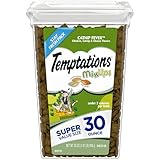
Overview: Temptations Classic delivers the iconic crunchy shell with a soft, savory center that triggers feline excitement. This 30-ounce tub of Catnip Fever flavor combines irresistible catnip with under-2-calorie treats that are 100% nutritionally complete for adult cats. The dual-texture design creates an addictive sensory experience, while the substantial quantity ensures a long-lasting supply for daily training, rewarding, or meal topping in multi-cat households seeking convenience.
What Makes It Stand Out: The revolutionary dual-texture contrast drives feline obsession, making these treats highly effective for training and recall. The stay-fresh resealable tub maintains freshness for months while providing excellent value. Being nutritionally complete eliminates treat-guilt, allowing generous daily feeding. The catnip infusion offers natural stimulation, and the under-2-calorie count supports weight management without sacrificing palatability or creating nutritional imbalances.
Value for Money: The 30-ounce tub typically costs under $10, delivering exceptional economy at pennies per treat. This bulk packaging outperforms smaller pouches by 50-60% in cost-per-ounce. While premium treats exist, Temptations provides mass-market value with proven taste appeal. The resealable tub prevents waste and maintains freshness, enhancing long-term value for households treating multiple cats daily or using treats as meal toppers.
Strengths and Weaknesses: Strengths include unbeatable palatability, low calorie count, complete nutritional balance, convenient packaging, and widespread availability. The dual texture satisfies multiple preferences simultaneously. Weaknesses involve containing grains, artificial colors, and preservatives that concern health-focused owners. Some cats become overly demanding, and the formula isn’t suitable for kittens or cats with specific protein allergies, limiting versatility.
Bottom Line: Temptations Catnip Fever is a reliable, economical choice for everyday treating. The large tub provides months of supply, making it ideal for owners prioritizing cost-effectiveness and guaranteed feline approval over premium ingredient sourcing.
3. Crunchy & Soft Cat Treats with Gooey Center – Low Calorie, Wheat & Soy Free, Training Treats – Seafood 3oz

Overview: These gourmet treats feature a crunchy exterior surrounding a gooey seafood center, specifically formulated for cats with dietary sensitivities. Each treat contains under 2 calories, enabling guilt-free daily training and bonding. The 3-ounce package offers wheat-free, soy-free, and filler-free nutrition developed by animal nutritionists. Suitable for all life stages, these treats serve as training rewards or food toppers, appealing to owners seeking clean-label options without common allergens.
What Makes It Stand Out: The distinctive gooey center provides textural novelty beyond standard creamy fillings. The wheat, soy, and filler-free formulation addresses common feline allergens and digestive sensitivities. Development by animal nutritionists lends scientific credibility. Universal life stage suitability simplifies multi-cat households. The absence of artificial colors or flavors aligns with natural feeding philosophies while maintaining low-calorie appeal for frequent rewarding.
Value for Money: The 3-ounce package typically retails for $5-7, positioning it at a premium price point reflecting ingredient quality and specialized formulation. While costlier per ounce than mass-market brands, the clean ingredient list justifies the expense for cats with sensitivities. For owners prioritizing allergen avoidance over bulk savings, the value centers on health benefits rather than quantity, making it a targeted investment for specific dietary needs.
Strengths and Weaknesses: Strengths include hypoallergenic formulation, novel gooey texture, low calorie content, nutritionist development, and all-life-stage versatility. The clean ingredient profile suits sensitive cats and training regimens. Weaknesses involve the small package size limiting long-term value, limited flavor availability, higher cost per treat, and potential palatability issues for cats preferring traditional treat flavors or textures over gooey centers.
Bottom Line: These treats excel for cats with food sensitivities or owners seeking clean-label options. The 3-ounce bag suits trial or supplemental use, making it a worthwhile investment despite premium pricing for those prioritizing ingredient purity and digestive health.
4. Delectables Bisque Lickable Wet Cat Treats - Chicken, Tuna & Shrimp, 12 count

Overview: Delectables Bisque provides lickable wet treats in a 12-count variety pack featuring chicken, tuna, and shrimp combinations. Each 1.4-ounce pouch delivers up to 90% moisture to boost hydration. These grain-free treats function as food toppers, standalone rewards, or bonding tools. The multi-flavor assortment helps identify feline preferences while providing premium proteins in a convenient format for picky eaters or cats needing moisture supplementation beyond dry kibble or traditional treats.
What Makes It Stand Out: The variety pack includes three distinct protein combinations in one purchase, eliminating trial-and-error flavor testing. The grain-free, filler-free formula appeals to health-conscious owners. Pouch format ensures portion control and freshness. The 90% moisture content rivals wet food hydration levels. Cage-free chicken and wild-caught tuna sourcing demonstrates ingredient commitment beyond standard treat manufacturing practices and mass-market standards.
Value for Money: The 12-pack typically costs $8-10, positioning it as mid-range value. Per-ounce pricing exceeds dry treats but matches premium wet foods. The variety pack prevents waste from buying full cases of unwanted flavors. For owners of finicky cats, the ability to test flavors provides intangible value. Compared to single-flavor bulk options, the assortment justifies a slight premium while managing risk and preventing product waste.
Strengths and Weaknesses: Strengths include excellent hydration support, grain-free formulation, premium protein sources, flavor variety, and versatile usage scenarios. The portion-controlled pouches maintain freshness without refrigeration. Weaknesses involve non-recyclable pouch waste, smaller portions than cans, potential messiness during feeding, and higher cost than dry alternatives. Some cats may reject certain flavors despite the variety offering.
Bottom Line: Delectables Bisque suits picky eaters and cats requiring hydration support. The variety pack offers exploration value, making it a smart choice for owners wanting premium wet treats without committing to single flavors or managing large quantities that may go unused.
5. Blue Buffalo Bursts Crunchy & Creamy Cat Treats, Great for Training, Paw-Lickin’ Chicken, 5-oz Bag

Overview: Blue Buffalo Bursts combine crunchy exteriors with creamy centers, featuring real chicken as the first ingredient. This 5-ounce bag delivers premium nutrition without poultry by-products, corn, wheat, soy, or artificial additives. Designed for training and everyday treating, these treats reflect Blue Buffalo’s natural feeding philosophy. The dual-texture appeals to cats while the clean ingredient list satisfies health-conscious owners seeking functional rewards without compromising quality standards.
What Makes It Stand Out: Leading with real chicken distinguishes these from by-product-based competitors. The grain-free, soy-free formula eliminates common allergens and fillers. Blue Buffalo’s brand reputation for natural ingredients provides trust. The dual texture offers sensory interest while maintaining nutritional integrity. The absence of artificial preservatives aligns with holistic pet care trends, making it a conscience-clear choice for discerning owners.
Value for Money: The 5-ounce bag typically retails for $4-6, placing it in the premium tier. Cost-per-treat exceeds mass-market options but reflects ingredient quality. For owners prioritizing real meat and allergen avoidance, the price premium is justified. The smaller bag size suits trial or supplemental use rather than bulk treating, positioning it as a quality-over-quantity investment for targeted applications and health-conscious households.
Strengths and Weaknesses: Strengths include real chicken as primary ingredient, grain-free formula, dual-texture appeal, reputable brand backing, and clean additive-free composition. The treats work well for training and sensitive cats. Weaknesses involve higher cost per ounce, small package size limiting value, and occasional palatability issues with finicky cats accustomed to traditional treat flavors. Availability can be limited compared to major mass-market brands.
Bottom Line: Blue Buffalo Bursts are ideal for owners demanding premium ingredients and allergen-free formulas. The 5-ounce bag provides quality over quantity, making it a worthwhile splurge for health-focused feline households seeking trustworthy, natural rewards.
6. Temptations Classic Crunchy and Soft Cat Treats Feline Favorites Variety Pack, 3 oz. Pouches (Pack of 4)

Overview: The Temptations Classic Crunchy and Soft Cat Treats Variety Pack delivers four 3-ounce pouches of America’s favorite feline snack in assorted flavors. Each treat features the signature crunchy exterior with a soft, savory center that drives cats wild. This configuration lets pet parents sample different varieties while maintaining portion control. The resealable pouches lock in freshness between treat sessions, preventing staleness and preserving that irresistible aroma cats crave. Perfect for multi-cat households or finicky felines who enjoy rotating flavors, this pack provides a convenient introduction to the Temptations lineup without committing to a single flavor profile.
What Makes It Stand Out: The variety pack format distinguishes itself from single-flavor options by offering multiple tastes in one purchase. The individual pouches prevent flavor fatigue and allow owners to identify their cat’s preferences without committing to a large container. Each treat remains under 2 calories, supporting daily rewarding without weight concerns. The “stay-fresh” pouches excel for travel, visits to the vet, or keeping treats in different rooms. This packaging also reduces the risk of entire batches going stale if your cat suddenly decides they prefer one flavor over another, providing flexibility that bulk containers cannot match.
Value for Money: At approximately 12 ounces total weight across four pouches, this variety pack typically costs less than buying four separate pouches individually. The per-ounce price sits between bulk tubs and single-serve options, making it ideal for households still exploring preferences. While larger tubs offer better economy, this pack’s flexibility prevents waste from rejected flavors, ultimately saving money for uncertain buyers. The ability to test flavors before investing in large quantities provides intangible value that outweighs slight per-ounce premiums.
Strengths and Weaknesses: Strengths include flavor variety, excellent portability, portion control, and freshness preservation. The resealable design maintains treat quality throughout the product’s lifespan. Weaknesses involve more packaging waste compared to tubs, smaller total volume requiring more frequent purchases for heavy treat users, and potentially higher cost per ounce than bulk options. households with power-treaters may find the individual pouches deplete too quickly.
Bottom Line: This variety pack serves as the perfect starter kit for Temptations newcomers or households with changing feline preferences. It balances convenience, variety, and value while maintaining the quality cats expect, making it an intelligent choice for discerning pet parents.
7. Temptations Wacky Blasts Cat Treats, Cluckin’ Bacon Flavor, 16 oz. Tub

Overview: Temptations Wacky Blasts in Cluckin’ Bacon flavor revolutionize treat time with visible catnip bits mixed into a chicken and bacon recipe. The 16-ounce tub provides substantial quantity for enthusiastic treaters. These treats maintain Temptations’ signature dual-texture design—crunchy shell surrounding a soft, meaty center. The addition of catnip creates an extra layer of excitement, making these particularly effective for training, bonding, or simply spoiling your feline companion. The resealable tub ensures long-lasting freshness for months of treat sessions.
What Makes It Stand Out: Visible catnip pieces set this apart from standard Temptations, providing sensory stimulation beyond taste alone. The unconventional “Cluckin’ Bacon” flavor combines two protein sources cats love, appealing to discerning palates. The generous 16-ounce tub size reduces reordering frequency for busy pet parents. At under 2 calories per treat, these support guilt-free daily indulgence while delivering complete nutritional balance for adult cats. The catnip inclusion transforms ordinary treat time into an enriched, multi-sensory experience.
Value for Money: The bulk 16-ounce tub offers significant savings compared to purchasing equivalent weight in smaller pouches. For households with multiple cats or single cats receiving regular treats, the per-ounce cost drops substantially—often 30-40% less than pouch equivalents. While premium-priced compared to basic treats, the catnip inclusion and unique flavor profile justify the modest upcharge for cats who respond strongly to catnip. The tub’s durability also prevents crushing and waste.
Strengths and Weaknesses: Strengths include the catnip appeal, generous volume, cost efficiency, and dual-texture satisfaction. The resealable tub maintains freshness for months. Weaknesses: cats insensitive to catnip won’t experience the full benefit, the specific flavor may not suit all felines, and the large size risks staleness if not properly sealed. The tub’s bulk requires dedicated storage space in your pantry.
Bottom Line: Wacky Blasts excel for catnip-loving cats and owners seeking bulk convenience. The unique flavor combination and visible catnip bits make treat time extra special, though sensitivity to catnip varies by individual. Purchase with confidence if your feline responds to catnip.
8. Greenies Cat Treats, Feline Veterinarian-Recommended Adult Natural Dental Cat Treats, Oven Roasted Chicken Flavor, 9.75 oz. Tub

Overview: Greenies Dental Treats represent the veterinary gold standard for feline oral care, with oven-roasted chicken flavor that satisfies while cleaning. These treats feature a uniquely textured design clinically proven to reduce tartar accumulation by 36% in just 28 days. Each treat contains fewer than 2 calories, making them ideal for daily dental maintenance. The 9.75-ounce tub provides a substantial supply for consistent oral health routines. Unlike recreational treats, these serve a dual purpose: rewarding your cat while actively improving dental hygiene through mechanical action.
What Makes It Stand Out: As the #1 veterinarian-recommended dental treat, Greenies carry professional credibility that recreational treats lack. The specialized texture cleans teeth down to the gumline, a functional benefit beyond mere palatability. Clinical data supports efficacy claims, distinguishing these from marketing hype. The natural formula appeals to health-conscious owners, while the savory chicken flavor ensures cats view them as treats, not medicine. This combination of health benefits and taste acceptance is rare in functional pet products.
Value for Money: While priced higher than standard treats, Greenies deliver preventive dental care that could reduce professional cleaning costs. The 9.75-ounce tub provides approximately 130 treats, supporting a month-long daily routine. Compared to dental procedures costing hundreds of dollars, this represents exceptional preventive value. The cost per treat aligns with premium brands, justified by proven health benefits. For cats prone to dental disease, this is an investment rather than an expense.
Strengths and Weaknesses: Strengths include veterinary endorsement, proven tartar reduction, low calorie count, and functional design. The resealable tub maintains freshness. Weaknesses: some cats reject the firmer texture, they lack the soft center many cats prefer, and they shouldn’t replace regular treats for bonding. Picky eaters may need gradual introduction. The chicken flavor, while palatable, may not match the indulgence factor of fish-based treats.
Bottom Line: Essential for cats prone to dental issues, Greenies blend health benefits with treat appeal. While not every cat’s favorite texture, the proven oral health advantages make them a worthwhile addition to any feline care regimen, especially for preventative health.
9. Temptations Cat Treats MixUps Surfer’s Delight, Tuna, Shrimp, Salmon Flavor, Crunchy and Soft Cat Treats, 16 oz. Tub
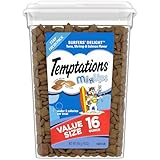
Overview: Temptations MixUps Surfer’s Delight combines three seafood favorites—tuna, shrimp, and salmon—into one irresistible 16-ounce tub. Each treat features the brand’s iconic crunchy exterior with a soft, flavorful center that seafood-loving cats find addictive. The mixed flavor approach prevents boredom while catering to feline preferences for oceanic proteins. At under 2 calories per piece, these support daily treating without dietary guilt. The resealable tub maintains freshness through hundreds of treat sessions, making it ideal for households with enthusiastic feline snackers who demand variety.
What Makes It Stand Out: The trifecta of premium seafood flavors creates a gourmet experience that single-flavor treats cannot match. The visible variety in each scoop keeps cats engaged and curious, preventing treat-time monotony. The generous 16-ounce size caters specifically to households where treats serve as daily training tools or bonding rituals. Being 100% nutritionally complete, these can occasionally substitute for meals in a pinch, adding versatility beyond simple snacking that many competitors lack.
Value for Money: This bulk tub offers exceptional per-ounce savings compared to seafood-flavored pouches. For cats fixated on fish flavors, the economy becomes undeniable—often 40% less expensive than equivalent weight in smaller packages. The mixed format eliminates need for multiple purchases, consolidating value. While premium seafood ingredients raise the price slightly over chicken varieties, the cost remains competitive within the Temptations line. The large size reduces reordering frequency, saving time and shipping costs.
Strengths and Weaknesses: Strengths include irresistible seafood medley, substantial volume, cost efficiency, and versatile use. The resealable container prevents staleness effectively. Weaknesses: seafood flavors may trigger allergies in sensitive cats, the large size requires commitment, and fish-ambivalent cats may prefer poultry options. The tub’s footprint demands storage space, and the strong fish aroma may be noticeable in smaller living spaces.
Bottom Line: For seafood-obsessed felines, Surfer’s Delight delivers unbeatable value and variety. The generous size and flavor combination make it a pantry staple for households where treats are a daily delight, provided your cat isn’t sensitive to fish proteins.
10. Temptations Cat Treat ShakeUps, Crunchy and Soft Cat Treats, Clucky Carnival, 5.29 oz. Pouch

Overview: Temptations ShakeUps in Clucky Carnival flavor introduce a festive twist to the classic treat formula in a convenient 5.29-ounce pouch. These treats maintain the signature crunchy-soft texture combination that has made Temptations a household name. The “Clucky Carnival” flavor profile offers a unique poultry-based taste experience different from standard chicken varieties. Each treat stays under 2 calories, supporting guilt-free daily rewards. The resealable pouch design prioritizes freshness and portability, making it suitable for cat parents who treat on-the-go or prefer smaller quantities that maintain peak flavor.
What Makes It Stand Out: As part of the newer ShakeUps line, these treats provide novelty for cats bored with standard flavors. The 5.29-ounce size hits a sweet spot between sample pouches and bulk tubs, offering adequate quantity without overwhelming commitment. The pouch format excels for travel, vet visits, or keeping treats in multiple locations. Like all Temptations, these are 100% nutritionally complete, allowing versatile use as snacks, meal toppers, or occasional meal replacements when needed, adding practical flexibility.
Value for Money: The mid-size pouch offers better per-ounce value than single-serve packs while avoiding the upfront cost of large tubs. For households treating moderately, this size prevents treats from losing freshness before finishing. The price point makes experimenting with new flavors financially accessible. While bulk tubs provide superior economy, this format balances cost with convenience for average users. It’s an intelligent compromise between sampling and stocking up.
Strengths and Weaknesses: Strengths include novel flavor option, ideal portion size for moderate use, excellent portability, and maintained freshness. The resealable design works flawlessly. Weaknesses: limited availability compared to core flavors, smaller total volume than economical tubs, and the specific flavor may not appeal to all felines. Heavy treat users will find it depletes quickly, requiring frequent repurchase. The pouch is less durable than rigid tubs for storage.
Bottom Line: ShakeUps Clucky Carnival offers a fresh flavor option in a perfectly sized package for most households. It’s an excellent choice for introducing variety without bulk commitment, though high-volume users should opt for larger sizes to maximize value.
Why Natural Treats Matter for Indoor Cats
Indoor cats operate at a different metabolic rhythm than their outdoor counterparts. With fewer opportunities for vigorous exercise and mental stimulation, every calorie counts more significantly. Natural treats—those made from minimally processed, whole-food ingredients without artificial additives—provide nutritional density without the empty calories and potential inflammatory agents found in conventional options.
The right natural treat supports your cat’s biological needs while addressing the specific lifestyle constraints of indoor living. They can supplement dietary gaps, encourage physical activity through interactive feeding, and strengthen your bond without compromising long-term health.
The Unique Needs of Indoor Cats
Indoor cats typically burn 20-30% fewer calories than outdoor cats, making weight management a primary concern. Their limited environmental diversity also means they encounter fewer microorganisms, which can affect gut health and immune system development. Natural treats rich in species-appropriate proteins and limited in carbohydrates help maintain lean muscle mass while preventing the blood sugar spikes that contribute to feline diabetes—a condition disproportionately affecting indoor cats.
Additionally, indoor cats often suffer from chronic low-level dehydration, especially if they eat primarily dry food. Treats with high moisture content or those that encourage water consumption can support kidney and urinary tract health, critical concerns for sedentary felines.
Decoding “Natural” in Cat Treats
The term “natural” on pet food labels is simultaneously meaningful and misleading. Unlike “organic,” which has strict USDA certification requirements, “natural” lacks a universal legal definition in pet food. This regulatory gray area means manufacturers can use the term liberally, making your role as an educated consumer paramount.
Understanding AAFCO Guidelines
The Association of American Feed Control Officials (AAFCO) provides the most widely accepted definition: natural ingredients are derived solely from plant, animal, or mined sources without chemical synthesis. However—and this is crucial—AAFCO permits chemically synthesized vitamins, minerals, and other trace nutrients in “natural” products if they’re deemed essential and clearly labeled.
When evaluating treats, look for the AAFCO statement of nutritional adequacy. While most treats aren’t complete diets and thus don’t require this statement, reputable manufacturers often include it voluntarily, demonstrating commitment to nutritional standards beyond minimum requirements.
Red Flags to Watch For
Beware of “natural flavoring” as a vague umbrella term that can hide processed ingredients. True natural treats list specific protein sources (like “deboned chicken” or “wild-caught salmon”) rather than generic “meat meal” or “animal by-products.” Avoid treats containing artificial preservatives like BHA, BHT, or ethoxyquin, even if the main ingredients appear natural. These chemicals have no place in a genuinely natural product.
Also scrutinize the order of ingredients. Items are listed by weight before processing, so if a grain or starch appears first, the treat likely contains more filler than protein—problematic for obligate carnivores like cats.
Essential Nutritional Considerations
Protein quality trumps quantity when selecting natural treats for indoor cats. Your feline friend’s digestive system evolved to process whole prey, not fragmented nutrients. The biological value of a protein—how efficiently your cat can utilize it—depends on its amino acid profile and digestibility.
Protein Content and Quality
Aim for treats where named animal protein constitutes the first two ingredients. The protein percentage should ideally exceed 30% on a dry matter basis. More importantly, look for treats that specify the protein source’s form. Freeze-dried single-ingredient treats made from muscle meat, organs, or seafood offer unparalleled bioavailability.
For indoor cats, consider novel proteins like rabbit, duck, or venison if your cat shows signs of food sensitivities to common chicken or beef. These alternatives often come from higher-quality sources and can reduce inflammation while providing the same complete amino acid profiles.
Calorie Control and Portion Management
The average indoor cat requires only 180-220 calories daily, and treats should comprise no more than 10% of total caloric intake—roughly 18-22 calories. Many natural treats pack surprising caloric density: a single freeze-dried chicken heart might contain 15 calories, while a small soft chew could hold 3-4.
Calculate calories per treat and pre-portion daily allowances into small containers. This prevents “treat creep,” where multiple family members unknowingly overfeed. For weight management, prioritize treats under 3 calories each, or use your cat’s regular kibble as treats to maintain precise calorie control.
Taurine and Other Critical Nutrients
While treats aren’t meant to be nutritionally complete, those containing organ meats naturally provide taurine, an essential amino acid cats cannot synthesize adequately. Taurine deficiency leads to devastating consequences: dilated cardiomyopathy, retinal degeneration, and immune dysfunction.
Natural treats incorporating heart tissue, small amounts of liver, or krill offer taurine alongside other micronutrients like vitamin A, arachidonic acid, and preformed vitamin D3—nutrients cats cannot obtain from plant sources. These additions transform treats from simple indulgences into functional supplements.
Ingredient Quality and Sourcing
The journey from farm to feline matters enormously. Ingredient quality directly impacts nutritional value, safety, and palatability. Natural doesn’t automatically mean high-quality, and high-quality doesn’t guarantee natural.
Whole Food vs. Processed Ingredients
Whole food ingredients retain their cellular structure and nutrient complexes, offering synergistic benefits that isolated nutrients lack. A freeze-dried chicken liver contains not just vitamin A, but also co-factors that enhance absorption and utilization. Contrast this with treats fortified with synthetic vitamins added to a base of processed grains.
Minimally processed ingredients also preserve natural enzymes that aid digestion, particularly beneficial for indoor cats with sedentary digestive systems. Look for treats processed through gentle methods like freeze-drying, air-drying, or low-temperature baking that maintain ingredient integrity.
The Role of Organic Ingredients
Organic certification ensures ingredients were grown without synthetic pesticides, herbicides, or fertilizers, and that animal sources weren’t treated with antibiotics or growth hormones. For indoor cats with potential toxin sensitivities or compromised immune systems, organic treats reduce cumulative chemical exposure.
However, organic doesn’t guarantee nutritional superiority. An organic pea is still a carbohydrate source inappropriate as a primary ingredient in cat treats. Prioritize species-appropriate ingredients first, then seek organic versions of those ingredients as a secondary consideration.
Grain-Free vs. Whole Grain Debate
The grain-free movement, while well-intentioned, sometimes replaces grains with starches like potato, tapioca, or legumes that may be equally problematic. For cats, the issue isn’t grain versus grain-free—it’s carbohydrate load. Natural treats should contain minimal carbohydrates regardless of source.
If grains are present, whole grains like oats or barley in tiny amounts can provide beneficial fiber for hairball control, a common indoor cat issue. However, these should appear far down the ingredient list, never as primary components. The focus must remain on animal-based proteins.
Texture and Format Options
Texture influences more than palatability—it affects dental health, eating speed, and how you can use treats for enrichment. Different formats serve different purposes in your indoor cat’s life.
Freeze-Dried Raw Treats
Freeze-drying removes moisture while preserving raw nutritional integrity, creating lightweight, shelf-stable treats that cats find intensely palatable. The porous texture encourages chewing, providing mild dental benefits. These treats rehydrate quickly, making them versatile—you can crumble them over food or soak them in water to increase hydration.
For indoor cats, freeze-dried raw treats offer the closest nutritional approximation to a fresh kill without refrigeration concerns. They’re ideal for cats on raw diets but beneficial for any feline. Just ensure they’re sourced from reputable companies with rigorous pathogen testing, as raw ingredients carry higher contamination risks.
Baked and Dehydrated Options
Low-temperature baking and dehydration create denser treats with concentrated flavors. These often appeal to cats who prefer crunchier textures. The heating process does reduce some heat-sensitive nutrients, but quality manufacturers compensate by starting with nutrient-dense ingredients.
Dehydrated meat strips or fish skins provide extended chewing time, satisfying your cat’s predatory instincts and reducing boredom—a significant benefit for indoor cats lacking environmental stimulation. Always check that dehydration temperatures remained below 165°F to prevent harmful compound formation.
Soft Chews vs. Crunchy Treats
Soft chews work beautifully for senior cats with dental issues or as pill pockets for medication administration. However, they typically require more binding agents and preservatives to maintain texture, making them less “natural” than their crunchy or freeze-dried counterparts.
Crunchy treats offer mechanical teeth cleaning action, though this benefit is often overstated. The real advantage for indoor cats is the slower eating pace, which prevents gulping and encourages satiety signals to reach the brain before overconsumption occurs.
Special Dietary Needs and Restrictions
Indoor cats develop specific health challenges that treat selection can either exacerbate or alleviate. A one-size-fits-all approach ignores the individual variations in age, health status, and genetic predisposition.
Weight Management Considerations
Over half of indoor cats are overweight or obese, making calorie-conscious treat selection non-negotiable. Natural doesn’t mean low-calorie—many freeze-dried meats are calorie-dense. For weight management, prioritize treats with high moisture content (like single-ingredient meat purees in tubes) that add volume without excessive calories.
Consider “functional” treats containing L-carnitine, which supports fat metabolism, or those with added fiber from psyllium husk to promote fullness. Some innovative natural treats now incorporate green-lipped mussel, which provides omega-3s for joint health—a common concern in heavier cats.
Sensitive Stomachs and Allergies
Indoor cats frequently develop food sensitivities, possibly due to limited dietary variety and increased exposure to environmental allergens. Limited-ingredient treats with a single protein source allow you to identify triggers through elimination trials. Rabbit, duck, and kangaroo are considered novel proteins with low allergenic potential.
Hydrolyzed protein treats, where proteins are broken into smaller components, offer another option for highly sensitive cats. While not “natural” in the traditional sense, they’re sometimes necessary for cats with severe inflammatory bowel disease or food allergies.
Senior Indoor Cats
Aging indoor cats face declining kidney function, reduced sense of smell, and dental deterioration. Natural treats for seniors should be soft, aromatic, and low in phosphorus to reduce kidney strain. Look for treats enhanced with fish oil for cognitive support and glucosamine for joint health.
The palatability factor becomes crucial as appetite wanes. Warm natural treats slightly to release aromas, or choose those naturally high in scent appeal like bonito flakes or dried minnows. These stimulate appetite without requiring strong chewing ability.
Homemade vs. Commercial Natural Treats
The DIY trend extends to pet treats, offering ultimate control over ingredients. However, homemade treats carry risks that commercial products have systems to mitigate.
Safety Considerations for Homemade Treats
Raw homemade treats risk bacterial contamination for both you and your cat. Cooking eliminates pathogens but requires careful temperature monitoring to avoid nutrient destruction. Perhaps more critically, homemade treats lack the nutritional analysis and consistency testing that commercial products undergo.
If you choose homemade, stick to simple cooked meat treats without added seasonings. Avoid recipes containing onions, garlic, or excessive salt—all toxic to cats. Never include raw fish, which contains thiaminase that destroys vitamin B1, or raw eggs, which carry salmonella risk and contain avidin that blocks biotin absorption.
Cost-Benefit Analysis
Commercial natural treats seem expensive but often cost less per serving than homemade when factoring in time, energy, and waste. A $15 bag of freeze-dried chicken hearts containing 100 treats costs $0.15 each and lasts months when properly portioned. Homemade treats require purchasing quality meat, cooking time, storage containers, and risk spoilage if not used quickly.
For most cat parents, a hybrid approach works best: commercial treats for daily use and occasional simple homemade treats for special bonding moments.
The Psychology of Treating Your Indoor Cat
Treats serve purposes beyond nutrition—they’re communication tools, enrichment devices, and relationship builders. Understanding the behavioral science behind treating transforms how you use them.
Using Treats for Enrichment and Bonding
Indoor cats need mental stimulation to prevent stress-related behaviors like over-grooming or inappropriate urination. Puzzle feeders that dispense natural treats encourage problem-solving and physical activity. Hide treats around the house to activate your cat’s natural foraging instincts—this “hunt” provides psychological satisfaction that passive feeding cannot.
Training sessions using natural treats strengthen your bond while providing mental exercise. Cats can learn commands, tricks, and cooperative care behaviors (like nail trimming tolerance) when motivated by high-value natural treats. The key is using tiny portions—just a taste—to maintain motivation without caloric excess.
Avoiding Treat Dependency
Cats are creatures of habit, and treats can quickly shift from special occasion to expectation. Establish clear treat rules: designated times, specific behaviors that earn treats, and consistent portion sizes. Never use treats to stop unwanted behaviors, as this inadvertently rewards the behavior you’re trying to eliminate.
If your cat begins begging excessively, reassess treat frequency and ensure their base diet meets nutritional needs. Sometimes increased treat-seeking signals dietary deficiencies or boredom rather than true hunger.
Storage and Freshness Best Practices
Natural treats lack the chemical preservatives that give conventional treats multi-year shelf lives. Proper storage is critical for maintaining nutritional value and preventing spoilage or contamination.
Store freeze-dried treats in airtight containers away from light and heat. Once opened, use within 30 days for optimal freshness. Consider dividing large bags into smaller portions, freezing some to prevent oxidation. Add food-grade silica gel packets to absorb moisture, especially in humid climates.
For soft natural treats, refrigeration after opening is often necessary. Mark opening dates with a permanent marker and adhere strictly to “best by” guidelines. Natural fats in treats can become rancid, creating harmful free radicals that negate health benefits. When in doubt, smell the treats—any off-odor means they’ve spoiled and should be discarded.
Making the Final Decision
Armed with knowledge, you’re ready to select treats that align with your cat’s needs and your values. The final decision involves balancing multiple factors while remaining flexible.
Reading Beyond the Marketing
“Made with real chicken” might mean chicken is the third ingredient after wheat and corn. “Veterinarian recommended” is an unregulated claim that requires no proof. “Holistic” has no legal definition in pet food. Focus on concrete information: specific ingredient lists, guaranteed analysis, company transparency about sourcing, and manufacturing location.
Contact companies directly with questions. Reputable manufacturers employ veterinary nutritionists and respond knowledgeably about their processes. Those who evade questions or provide vague answers likely have something to hide.
Trial and Error Approach
Even the highest-quality natural treat is worthless if your cat refuses it. Purchase small packages initially to test palatability. Introduce new treats gradually, watching for digestive upset or allergic reactions over 7-10 days. Keep a simple log tracking which treats your cat prefers and any physical responses.
Remember that preferences change. Rotating between 2-3 high-quality natural treat varieties prevents boredom and reduces the risk of developing sensitivities to single protein sources. This rotation also provides nutritional variety that more closely mimics a natural feline diet.
Frequently Asked Questions
What makes a cat treat truly “natural” for indoor cats?
A truly natural cat treat contains ingredients derived from whole animal or plant sources without chemical synthesis, artificial preservatives, colors, or flavors. For indoor cats specifically, natural treats should also be calorie-conscious, high in animal protein, and free from unnecessary fillers. Look for minimal processing methods like freeze-drying or low-temperature dehydration, and specific ingredient sourcing rather than vague terms like “meat meal.”
How many treats should I give my indoor cat daily?
Treats should never exceed 10% of your indoor cat’s total daily caloric intake—typically 18-22 calories for an average 10-pound cat. This usually translates to 2-4 small treats daily, depending on their caloric density. Always calculate calories per treat and pre-portion to avoid accidental overfeeding, especially important for less active indoor cats prone to weight gain.
Are freeze-dried raw treats safe for indoor cats?
Yes, when sourced from reputable manufacturers who implement High-Pressure Processing (HPP) and rigorous pathogen testing. Freeze-drying itself doesn’t kill bacteria, so proper sourcing and handling are critical. For immunocompromised cats or households with vulnerable people, consider lightly cooked alternatives. Always wash hands after handling and store properly to prevent recontamination.
Can natural treats help with my indoor cat’s hairball problem?
Certain natural treats can help manage hairballs by adding beneficial fiber or moisture. Look for treats containing small amounts of psyllium husk, pumpkin, or slippery elm bark. The act of chewing longer-lasting natural treats like dehydrated meat strips also helps pull loose fur from the tongue, reducing ingested hair. However, treats should complement—not replace—regular grooming and hairball-specific diets.
Should I choose grain-free natural treats for my indoor cat?
Grain-free matters less than overall carbohydrate content. Many grain-free treats substitute starches that are equally inappropriate for cats. Focus on treats where animal protein dominates and carbohydrates (from any source) are minimal. If your cat has confirmed grain sensitivities, grain-free is necessary; otherwise, prioritizing high protein and low carbs is more important than the grain-free label.
How do I transition my cat from conventional to natural treats?
Transition gradually over 7-10 days, mixing increasing amounts of natural treats with decreasing amounts of conventional ones. Monitor stool quality, appetite, and energy levels. Some cats experience mild digestive adjustment due to higher protein content. If your cat refuses natural treats, try different textures or flavors. Warming treats slightly can enhance aroma and palatability during the transition.
Are homemade natural treats better than commercial options?
Not necessarily. Commercial treats undergo nutritional analysis, safety testing, and quality control that homemade treats lack. While homemade offers ingredient control, achieving nutritional balance and ensuring safety is challenging. A hybrid approach works best: commercial treats for daily nutrition and simple homemade cooked meat treats for occasional bonding. Never use raw ingredients in homemade treats without understanding the risks.
What ingredients should I absolutely avoid in natural cat treats?
Avoid onions, garlic, and chives in any form—they cause Heinz body anemia in cats. Steer clear of artificial preservatives (BHA, BHT, ethoxyquin), colors, and sweeteners. Skip treats with excessive salt, rendered fats, or unnamed meat sources. Xylitol, while rare in cat treats, is extremely toxic. Also avoid raw fish due to thiaminase, which destroys vitamin B1, and raw eggs due to biotin deficiency risk.
Can senior indoor cats benefit from natural treats?
Absolutely. Senior cats often have reduced appetite, dental issues, and declining kidney function. Natural treats with strong aromas (like fish-based options) can stimulate appetite. Soft textures accommodate dental problems. Low-phosphorus natural treats support kidney health. Look for senior-specific options with added joint support (green-lipped mussel, glucosamine) and omega-3s for cognitive function.
How should I store natural cat treats to maintain freshness?
Store freeze-dried treats in airtight containers away from heat and light, using within 30 days of opening. Add food-grade silica gel packets to control moisture. For soft treats, refrigerate after opening and use within the timeframe specified on the package—usually 7-14 days. Always mark opening dates and discard if you notice any off-odors, discoloration, or texture changes. Natural fats can become rancid quickly, creating harmful compounds.
See Also
- The 10 Ultimate Best Natural Cat Treats for Indoor Cats in 2026
- 10 Must-Have Natural Cat Treats for Indoor Cats in 2026
- The Complete Guide to the 10 Best Natural Cat Treats for Outdoor Cats
- 2026’s Top 10 Natural Cat Treats for Indoor Cats
- 10 Best Grain-Free Natural Cat Treats for Training and Rewards in 2026