Table of Contents
Cats are masters of hiding discomfort, but after surgery, their vulnerability becomes more apparent. Whether it’s a routine spay or neuter, dental work, or a more complex procedure, the post-operative phase is critical to your feline’s recovery. During this time, proper nutrition isn’t just supportive—it’s essential. Wet cat food, with its high moisture content and palatability, often becomes the cornerstone of a recuperating cat’s diet. In 2026, with advancements in veterinary nutrition and ingredient transparency, choosing the right wet food can make a significant difference in healing speed, comfort, and overall well-being.
Recovery isn’t just about rest and medication—what your cat eats plays a pivotal role in tissue repair, immune response, and energy levels. After surgery, cats may experience reduced appetite due to anesthesia, pain, or stress. This is where wet food shines: its aroma, soft texture, and hydration benefits often entice even the pickiest or most lethargic eaters. But not all wet foods are created equal, especially when your cat needs optimal nutrition during healing. Understanding what to look for in a post-surgical diet can help you make informed decisions that support a smoother, faster recovery.
Top 10 Wet Cat Food For Post-Surgery
Detailed Product Reviews
1. Hill’s Prescription Diet a/d Urgent Care Wet Dog and Cat Food, Veterinary Diet, 5.5 oz. Cans, 24-Pack

Overview:
Hill’s Prescription Diet a/d Urgent Care is a veterinary-formulated canned food designed for dogs and cats recovering from surgery, illness, or injury. Developed by Hill’s team of veterinarians and nutritionists, this high-calorie, easily digestible formula supports pets during critical recovery phases when appetite and nutrient absorption may be compromised.
What Makes It Stand Out:
This diet stands out due to its energy-dense composition, packed with highly digestible proteins and fats to meet elevated metabolic demands. It features clinically proven antioxidants to bolster immune function and healing, along with enhanced levels of B vitamins, potassium, and zinc—key nutrients depleted during illness. Its palatable texture and flavor encourage eating in unwell pets, which is crucial for recovery.
Value for Money:
While more expensive than standard wet foods, the 24-can pack offers cost efficiency for short-term medical use. Its targeted formulation reduces the need for supplemental feeding and may shorten recovery time, justifying the premium price.
Strengths and Weaknesses:
Strengths: Veterinarian-recommended, supports immune and metabolic recovery, highly palatable, suitable for both dogs and cats.
Weaknesses: Requires a prescription, not intended for long-term use, may be too rich for some pets post-recovery.
Bottom Line:
An essential nutritional tool for pets in recovery, Hill’s a/d provides scientifically backed support that promotes healing and sustains energy—highly recommended by vets and pet owners alike.
2. Hartz Delectables Stew Lickable Wet Cat Treats for Adult & Senior Cats, Variety Pack, 1.4 Ounce (Pack of 12)

Overview:
Hartz Delectables Stew Lickable Wet Cat Treats offer a hydrating, flavorful option for adult and senior cats. Packaged in soft, easy-to-serve pouches, these treats are designed to appeal to even picky eaters while promoting hydration and bonding.
What Makes It Stand Out:
These treats boast up to 93% moisture content, making them an excellent tool for increasing daily water intake—critical for urinary and kidney health. The lickable stew texture is ideal for older cats with dental issues, and the absence of fillers, by-products, and artificial preservatives enhances their appeal as a clean-label treat.
Value for Money:
The 12-pack variety offers good value, especially for owners seeking multi-functional treats. With four flavors included, it allows pet owners to discover preferences without committing to bulk purchases.
Strengths and Weaknesses:
Strengths: High moisture content supports hydration, no artificial additives, versatile use (topper, treat, or reward), palatable for seniors and picky eaters.
Weaknesses: Not a complete meal replacement, some cats may find the texture too runny, limited protein sources.
Bottom Line:
Hartz Delectables are a convenient, health-conscious treat choice that supports feline hydration and strengthens human-cat bonds—ideal for daily rewards or enhancing dry food appeal.
3. Purina Fancy Feast Lickable Wet Cat Food Broth Complement Classics Collection Variety Pack - (Pack of 12) 1.4 oz. Pouches

Overview:
Purina Fancy Feast Lickable Broths are grain-free, savory broth-based complements made with real seafood and poultry. Designed to enhance hydration and enrich mealtime, this variety pack serves as a tasty topper or light snack for adult cats.
What Makes It Stand Out:
Each pouch features real tuna, shrimp, salmon, or whitefish in a silky broth, free from by-products, fillers, and artificial additives. The high moisture content aids in hydration, while the gourmet appeal caters to discerning feline palates. The convenient pouch design ensures mess-free dispensing.
Value for Money:
At a mid-tier price point, this 12-pack offers solid value for occasional use or rotation into a varied diet. It’s more affordable than premium veterinary or organic lines while maintaining quality ingredients.
Strengths and Weaknesses:
Strengths: High moisture for hydration, real meat as primary ingredient, no artificial additives, easy-to-use packaging, appealing variety.
Weaknesses: Not nutritionally complete as a standalone meal, broths may be too thin for some cats’ preference, limited protein diversity.
Bottom Line:
Purina Fancy Feast Broths are a delightful, hydrating complement that elevates everyday feeding—perfect for picky eaters or cats needing extra fluids in their diet.
4. Blue Buffalo True Solutions Wet Food for Cats, Digestive Care Formula with Clinically Proven Ingredients, Chicken Recipe, 3oz Cans, 4Pack Trial Size

Overview:
Blue Buffalo True Solutions Digestive Care is a veterinarian-formulated wet food designed to support cats with sensitive stomachs. This trial-sized pack features real chicken as the first ingredient and includes clinically proven prebiotic fiber to promote digestive health.
What Makes It Stand Out:
Developed by vets and nutritionists, this formula uses natural ingredients enhanced with vitamins and minerals. The inclusion of prebiotic fiber helps maintain healthy gut flora and firm stools, making it ideal for cats prone to gastrointestinal upset.
Value for Money:
The 4-can trial size offers low-risk sampling for pet owners evaluating digestive solutions. While priced slightly above mainstream brands, the clinical backing and natural ingredient profile justify the cost for cats with specific dietary needs.
Strengths and Weaknesses:
Strengths: Vet-formulated, real chicken first, supports stool quality and digestion, natural ingredients, trial size reduces commitment risk.
Weaknesses: Limited quantity per can, may not suit cats with chicken allergies, higher price than grocery-store alternatives.
Bottom Line:
An effective, natural option for cats with digestive sensitivities—Blue Buffalo True Solutions offers science-backed support in a palatable, easy-to-feed format.
5. Sheba Gravy Indulgence Adult Wet Cat Food Salmon Entree in Extra Gravy and White Fish Entree Variety Pack, 2.6 oz. Twin-Pack Trays, (12 Count, 24 Servings) (Pack of 2)

Overview:
Sheba Gravy Indulgence offers a gourmet wet food experience with 70% gravy and 30% meaty chunks, designed to entice adult cats with rich flavors and textures. This variety pack features salmon and white fish entrées in decadent gravy, served in twin-pack trays for freshness.
What Makes It Stand Out:
With significantly more gravy than other lines, this product enhances hydration while delivering essential amino acids and fatty acids. Made without grains, corn, soy, or fillers, and free of artificial flavors, it appeals to health-conscious owners seeking indulgent yet clean nutrition.
Value for Money:
Priced competitively for a premium brand, the 24-serving pack provides excellent portion control and variety. The twin-tray format minimizes waste, making it economical for single-cat households.
Strengths and Weaknesses:
Strengths: High gravy content supports hydration, real meat entrées, no grains or fillers, appealing textures for picky eaters, convenient portioned trays.
Weaknesses: Small serving size may not suffice as a full meal for larger cats, may be too rich for some, trace artificial flavors possible due to cross-contact.
Bottom Line:
Sheba Gravy Indulgence combines luxury and nutrition in a hydrating, flavorful meal—perfect for pampering picky cats while supporting their overall health.
6. Purrly Cat Treat Topper Lickable Wet Squeezable Healthy Human-Grade Tuna & Chicken Breast with Prebiotic and Dietary Fiber for Indoor Cats (30 Count) Grain-Free Non-GMO No-Preservatives

Overview:
Purrly Cat Treat Topper is a premium, lickable treat designed to elevate your cat’s snack time with human-grade tuna and chicken breast. Formulated for indoor cats, this grain-free, non-GMO product delivers high-quality protein and essential hydration in a convenient squeezable pouch.
What Makes It Stand Out:
What sets Purrly apart is its commitment to human-grade ingredients—rare in cat treats. The inclusion of prebiotics and dietary fiber supports digestive health, while the broth-based formula enhances palatability and hydration. With fewer than 6 calories per serving, it’s ideal for weight-conscious feeding.
Value for Money:
At 30 pouches per pack, Purrly offers excellent value for a high-end treat. While pricier than typical options, the clean ingredient list and functional nutrition justify the cost, especially for cats needing low-calorie, additive-free rewards.
Strengths and Weaknesses:
Strengths: Human-grade proteins, no artificial additives, low-calorie, supports hydration and digestion. Weaknesses: Limited toppers only—shouldn’t replace meals; some cats may be picky despite the aroma.
Bottom Line:
Purrly is a top-tier treat topper that combines gourmet taste with health benefits, making it a smart, guilt-free choice for discerning cat owners.
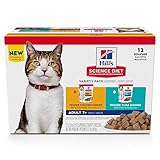
7. Hill’s Science Diet Adult 7+, Senior Adult 7+ Premium Nutrition, Wet Cat Food, Variety Pack: Chicken; Tuna Stew, 2.8 oz Pouch Variety Pack, Case of 12
Overview:
Hill’s Science Diet Adult 7+ is a veterinarian-recommended wet food formulated specifically for senior cats. This variety pack combines chicken and tuna stew in easy-to-eat 2.8 oz pouches, delivering targeted nutrition for aging felines.
What Makes It Stand Out:
Backed by science and trusted by vets, this formula includes taurine for heart health and balanced minerals to support kidney and bladder function. The inclusion of omega fatty acids and vitamin E promotes healthy skin and coat, while natural fibers aid digestion.
Value for Money:
While priced slightly higher than grocery brands, the clinical backing and quality ingredients offer strong value. The 12-pack provides variety and convenience, ideal for picky seniors needing reliable nutrition.
Strengths and Weaknesses:
Strengths: Vet-recommended, supports kidney and heart health, easy to digest, promotes coat health. Weaknesses: Small portion size may not satisfy larger cats; some find the texture less appealing.
Bottom Line:
An excellent choice for senior cats, Hill’s Science Diet delivers science-based nutrition that supports longevity and vitality in older felines.
8. almo nature Supportive Formulas Digestive Support Formula HQS Shredded Chicken & Pumpkin in Gravy Wet Cat Food, 1.77-oz can, case of 6

Overview:
Almo Nature’s Digestive Support Formula is a premium wet cat food crafted to promote gut health. Featuring shredded chicken and pumpkin in gravy, this grain-free formula is designed for cats with sensitive digestion.
What Makes It Stand Out:
The single-protein formula minimizes allergen risks, while pumpkin and prebiotic FOS support healthy digestion. Free from grains, carrageenan, and artificial additives, it’s ideal for cats with dietary sensitivities. Plus, 100% of post-expense revenue funds biodiversity restoration.
Value for Money:
Though the cans are small and the price is premium, the clean ingredients and ethical mission add value. It’s a responsible choice for health- and eco-conscious owners.
Strengths and Weaknesses:
Strengths: Supports digestion, clean ingredients, ethical brand mission, suitable for all adult life stages. Weaknesses: Small serving size; limited availability.
Bottom Line:
Almo Nature combines digestive health support with environmental responsibility, making it a standout choice for conscientious cat owners.
9. Purina Pro Plan Urinary Tract Wet Cat Food Variety Pack Urinary Tract Health Beef and Chicken Entrees - (Pack of 12) 5.5 oz. Cans

Overview:
Purina Pro Plan Urinary Tract Health is a wet food variety pack designed to support feline urinary health. With real chicken and beef as primary ingredients, this 12-can pack offers flavor variety and clinical nutrition.
What Makes It Stand Out:
Formulated to reduce urinary pH and limit dietary magnesium, this food helps prevent crystal formation. High protein content and high digestibility ensure optimal nutrient absorption, while 25 essential vitamins and taurine support overall health.
Value for Money:
The 5.5 oz cans are generously sized, and the dual-flavor pack offers good variety. Made in Purina-owned U.S. facilities with no artificial preservatives, it delivers reliable quality at a competitive price.
Strengths and Weaknesses:
Strengths: Supports urinary health, high protein, no artificial additives, vet-trusted brand. Weaknesses: Some cats may dislike the texture; not suitable for cats with specific protein allergies.
Bottom Line:
A scientifically formulated, effective option for maintaining urinary tract health in adult cats, with taste and quality you can trust.
10. Cat Electrolytes & Hydration - Supports Post-Surgery & Illness Recovery - Immune Support with Electrolytes, Glucose for Energy, Omega-3, Antioxidants, Prebiotics - Oral Syringe - 10.14 fl oz

Overview:
This feline electrolyte solution is designed to support hydration and recovery in cats after surgery or illness. Packed with essential nutrients, it comes in a 10.14 fl oz bottle with an oral syringe for easy administration.
What Makes It Stand Out:
Veterinary-formulated with taurine, L-lysine, Omega-3s, and prebiotics, it supports immune function, hydration, and gut health. Available in chicken and tuna flavors, it’s palatable and can be mixed with food or water.
Value for Money:
At a larger volume than single-dose products, it offers cost-effective, long-term support during recovery. The comprehensive nutrient profile justifies the price for critical care situations.
Strengths and Weaknesses:
Strengths: Comprehensive recovery support, easy to administer, great flavor options, made in GMP-compliant U.S. facility. Weaknesses: Not a replacement for veterinary care; may not be needed for healthy cats.
Bottom Line:
An essential tool for post-illness or post-surgery recovery, this electrolyte solution provides complete nutritional and hydration support when cats need it most.
Why Wet Food Matters for Post-Surgical Cats
Hydration is often overlooked, yet it’s one of the most critical factors in recovery. After surgery, cats may drink less due to discomfort, medications, or reduced mobility. Wet food typically contains 70–80% moisture, making it a powerful tool in maintaining hydration without relying solely on water intake. Dehydration can slow healing, impair kidney function, and increase the risk of complications—especially in older cats or those recovering from abdominal procedures.
Beyond hydration, the texture of wet food is gentler on the mouth and digestive tract. Cats recovering from dental extractions or oral surgery benefit from soft, easily chewed formulas. Even those with gastrointestinal surgeries may find wet food easier to digest compared to dry kibble, which can be harder on a sensitive stomach.
Key Nutritional Needs After Surgery
Surgery places significant stress on the body, triggering an inflammatory response and increasing metabolic demands. To support healing, your cat needs a diet rich in high-quality protein, essential amino acids, and specific micronutrients. Protein is the building block of tissue repair, helping rebuild muscles, skin, and internal organs damaged during the procedure.
Lysine, arginine, and taurine are particularly important. Taurine, an essential amino acid for cats, supports heart and vision health and is critical in post-surgical recovery. Arginine helps detoxify ammonia, a byproduct of protein metabolism, which is vital when the liver is processing anesthetic agents. Lysine may support immune function and reduce stress-related flare-ups of latent viruses like feline herpesvirus.
The Role of Fatty Acids in Healing
Omega-3 and omega-6 fatty acids play a dual role in recovery. Omega-3s, particularly EPA and DHA from fish or algal sources, have anti-inflammatory properties that can help control post-operative swelling and discomfort. They also support brain and eye health, which can be beneficial if your cat is disoriented after anesthesia.
Omega-6s, like arachidonic acid (which cats must obtain from animal sources), are necessary for skin integrity and immune response. The balance between omega-3 and omega-6 is crucial—too much omega-6 can promote inflammation, while the right ratio supports a balanced immune response.
Importance of Vitamins and Minerals
Certain vitamins act as co-factors in enzymatic reactions essential for healing. Vitamin A supports epithelial tissue regeneration, while vitamin C—though cats produce it internally—may still benefit under stress. Vitamin E is a powerful antioxidant that protects cell membranes from oxidative damage during recovery.
Minerals like zinc and selenium are vital for immune function and wound healing. Zinc, in particular, is involved in collagen synthesis and immune cell activity. However, excessive supplementation can be harmful, so it’s best sourced from balanced, whole-food-based formulas rather than added supplements unless directed by a vet.
Texture and Palatability: Encouraging Appetite
Loss of appetite is one of the most common post-surgical challenges. Anesthesia, pain, and stress can dull a cat’s interest in food, increasing the risk of hepatic lipidosis—a dangerous liver condition triggered by prolonged fasting.
Wet food’s rich aroma and soft consistency naturally appeal to cats. In 2026, many premium brands offer innovative textures like pâtés, mousse, shreds in gravy, and flaked formulas designed to stimulate appetite. Warming the food slightly (to body temperature) can enhance its smell, making it more enticing. Always test the temperature first to avoid burns.
For cats with jaw pain or recent dental work, ultra-smooth pâtés or blended formulas may be the best choice. For those with gastrointestinal sensitivity, grain-free and low-fat options can reduce digestive strain.
Ingredient Quality and Digestibility
Not all protein sources are equally digestible. High-quality animal proteins—such as chicken, turkey, rabbit, or fish—are more bioavailable, meaning your cat can absorb and utilize more of the nutrients. Look for named meat sources (e.g., “chicken liver”) rather than vague terms like “meat by-products,” though some by-products can be nutritious if sourced responsibly.
Digestibility is key. A food that’s highly digestible reduces the workload on the digestive system, freeing up energy for healing. In 2026, many leading brands use enzymatic processing or gentle cooking methods to preserve nutrient integrity while improving digestibility.
Avoiding Fillers and Irritants
Fillers like corn, soy, and wheat offer little nutritional value and may trigger sensitivities, especially in cats with compromised immune systems. Artificial preservatives (e.g., BHA, BHT), colors, and flavors should also be avoided. Natural preservatives like mixed tocopherols (vitamin E) are safer and more appropriate for sensitive post-op cats.
Cats recovering from gastrointestinal surgery may benefit from limited-ingredient diets that minimize potential allergens and reduce digestive stress.
Grain-Free vs. Grain-Inclusive: What’s Best?
The grain-free trend has sparked debate, but for most cats, grains aren’t harmful unless there’s a diagnosed allergy. In fact, some grains like oats or barley can provide soluble fiber, which supports gut health. However, grain-free formulas often rely on legumes or potatoes as binders, which may not be suitable for cats with certain sensitivities or pancreatitis.
The decision should be based on your cat’s individual needs. If your vet suspects food sensitivities or recommends a low-carbohydrate diet, grain-free may be appropriate. Otherwise, focus more on protein quality and moisture content than the presence or absence of grains.
Caloric Density and Portion Control
After surgery, your cat may eat less but still need adequate calories to heal. High-calorie-dense wet foods can help meet energy needs without requiring large volumes. This is especially important for older cats or those with reduced appetites.
However, overfeeding can lead to weight gain, which may strain joints or complicate recovery—particularly after orthopedic surgery. Follow feeding guidelines closely and consult your veterinarian for personalized portion recommendations based on your cat’s weight, age, and procedure type.
Specialized vs. General Recovery Formulas
Some brands offer veterinary-specific recovery diets designed for post-surgical cats. These are often formulated with elevated protein, added antioxidants, and controlled fat levels. They may also include prebiotics or probiotics to support gut health, which can be disrupted by antibiotics or anesthesia.
General premium wet foods can also be suitable if they meet key nutritional criteria. The choice often depends on the severity of the surgery, your cat’s health status, and veterinary advice.
Transitioning Back to Regular Diet
Once your cat is healing well and appetite returns, you’ll need to transition back to their regular diet. Do this gradually over 5–7 days by mixing increasing amounts of the regular food with the recovery food. Sudden changes can cause gastrointestinal upset, undoing progress made during recovery.
Monitor your cat for signs of discomfort, vomiting, or diarrhea during the transition. If issues arise, slow down the process or consult your vet.
Temperature, Presentation, and Feeding Techniques
How you serve the food matters. Cold food from the fridge may lack aroma and feel unappealing. Warming it to around 98–102°F (37–39°C) mimics body temperature and releases more volatile compounds, enhancing smell and palatability.
Use shallow bowls to avoid whisker stress, and place food in quiet, low-traffic areas. Some cats prefer to eat in hiding spots during recovery, so consider offering food near their favorite resting place.
Hand-feeding small amounts can encourage eating in reluctant cats, but only if they’re comfortable with human interaction. Avoid forcing food, as this can increase stress.
Monitoring Recovery and Adjusting Diet
Recovery isn’t linear. Appetite may fluctuate, and energy levels can vary day by day. Keep a daily log of food intake, litter box habits, and activity level. Sudden refusal to eat for more than 24 hours is a red flag and warrants immediate veterinary attention.
If your cat isn’t improving or seems to be losing weight, your vet may recommend a calorie booster, appetite stimulant, or a switch to a different formula.
The Role of Veterinary Guidance
Never assume a “healthy” food is appropriate for post-surgical recovery. Your vet understands the specifics of your cat’s condition and can recommend a diet tailored to their needs. For example, cats with kidney issues post-surgery may require lower phosphorus, while those with liver concerns need highly digestible protein.
Always consult your veterinarian before making significant dietary changes, especially during recovery.
Organic and Human-Grade Trends in 2026
In 2026, demand for transparency and clean labels continues to grow. Many cat owners seek organic, responsibly sourced, or human-grade ingredients, believing they offer superior safety and nutrition. While these can be beneficial, the term “human-grade” is largely unregulated in pet food. Focus instead on brands with third-party testing, clear sourcing, and veterinary input.
Organic certification ensures no synthetic pesticides or GMOs, but it doesn’t guarantee nutritional adequacy for recovery. Always verify that the food meets AAFCO (or equivalent) standards for complete and balanced nutrition.
Sustainability and Ethical Sourcing
As pet owners become more environmentally conscious, sustainable fishing practices, ethical meat sourcing, and eco-friendly packaging are increasingly important. While not directly related to recovery, choosing a brand that aligns with your values can provide peace of mind.
Look for certifications like MSC (Marine Stewardship Council) for fish ingredients or partnerships with animal welfare organizations.
Frequently Asked Questions
How soon after surgery can my cat eat wet food?
Most cats can begin eating wet food 4–6 hours after surgery, once they’re fully awake and alert. Always follow your vet’s specific instructions, as timing may vary based on the procedure and anesthesia used.
Can I mix wet food with my cat’s regular food during recovery?
Yes, mixing can help transition your cat to a new diet or increase calorie intake. Start with a small amount of recovery food and gradually increase the ratio over several days.
Is it okay to warm up wet cat food?
Yes, warming enhances aroma and can encourage eating. Heat the food to about body temperature (98–102°F) and stir well to avoid hot spots.
What if my cat refuses to eat after surgery?
Loss of appetite for 12–24 hours can be normal, but beyond that, contact your vet. Try warming the food, hand-feeding, or switching textures. Appetite stimulants may be needed.
Should I choose grain-free wet food for my recovering cat?
Not necessarily. Grain-free isn’t inherently better unless your cat has a diagnosed grain sensitivity. Focus on high-quality protein and moisture content instead.
How long should I feed recovery-focused wet food?
Typically 7–14 days, or as directed by your vet. Transition back to regular food gradually once your cat is eating well and healing steadily.
Can wet food prevent dehydration after surgery?
Yes, the high moisture content in wet food significantly contributes to hydration, which is crucial for kidney function and recovery.
Are there specific ingredients to avoid in post-surgery cat food?
Avoid artificial preservatives, colors, and flavors. Also, steer clear of known allergens if your cat has sensitivities, and limit high-fat ingredients if pancreatitis is a concern.
Do kittens need different wet food after surgery?
Yes, kittens have higher protein and calorie needs for growth. Choose a formula appropriate for their life stage, ideally one designed for growth or recovery in young cats.
Can I give my cat broth or gravy instead of full wet food?
While broths can encourage hydration, they lack the protein and nutrients needed for healing. Use them as a supplement, not a replacement, unless directed by your vet.
See Also
- 10 Essential Wet Cat Food Every Senior Cat Needs in 2026
- 10 Essential Chunky Wet Cat Food Every Multi-Cat Household Needs in 2026
- 10 Expert-Recommended Wet Cat Food for Post-Surgery Recovery in 2026
- 10 Essential Grain-Free Wet Cat Food Every Kitten Needs in 2026
- 10 Essential Wet Cat Food Every Multi-Cat Household Needs in 2026