Table of Contents
Your cat’s recovery journey after surgery doesn’t just depend on rest and medication—what goes into their food bowl plays a starring role in how quickly and completely they heal. The right nutrition can mean the difference between a sluggish, complication-filled recovery and a swift return to their playful, purring self. But navigating the sea of wet cat food options when your feline friend is already vulnerable can feel overwhelming. With 2026 bringing advanced formulations and targeted therapeutic nutrition, understanding what makes a wet food truly beneficial for post-surgical healing has never been more critical.
This comprehensive guide cuts through the marketing noise to reveal what veterinary nutritionists and feline health experts prioritize when recommending wet foods for recovery. We’ll explore the science behind healing nutrition, decode label jargon, and equip you with the knowledge to make confident decisions—whether you’re supporting your cat after a routine spay or a complex orthopedic procedure.
Top 10 Wet Cat Food For Post-Surgery
Detailed Product Reviews
1. Hill’s Prescription Diet a/d Urgent Care Wet Dog and Cat Food, Veterinary Diet, 5.5 oz. Cans, 24-Pack

Overview: Hill’s Prescription Diet a/d Urgent Care is a therapeutic canned food formulated by veterinarians and nutritionists specifically for dogs and cats recovering from surgery, illness, or injury. This energy-dense diet in 5.5 oz cans comes as a 24-pack, providing critical nutritional support when pets need extra calories and nutrients to heal and regain strength during recovery periods.
What Makes It Stand Out: The exceptional caloric density delivers highly digestible protein and fat to meet dramatically increased energy needs during healing. It features clinically proven antioxidants for immune function, plus elevated B vitamins, potassium, and zinc specifically targeted at recovery. The formulation prioritizes palatability to encourage eating in pets with reduced appetites, making it invaluable for post-operative home care when nutrition is critical.
Value for Money: At approximately $3-4 per can, this prescription diet commands a premium reflecting its specialized medical purpose. While expensive compared to regular pet food, it’s substantially more economical than extended hospitalization for feeding support. The 24-pack ensures adequate supply during recovery, though it requires significant upfront investment and veterinary authorization.
Strengths and Weaknesses: Strengths: Clinically proven therapeutic nutrition; extremely palatable for sick pets; energy-dense formula reduces feeding volume needed; supports immune function and healing; trusted veterinary brand with extensive research backing. Weaknesses: Requires veterinary prescription; prohibitively expensive for multi-pet households; inappropriate for healthy animals; may cause rapid weight gain if fed long-term; limited availability without veterinary approval.
Bottom Line: For pets recovering from serious health challenges, Hill’s a/d is an indispensable tool that justifies its cost through proven clinical outcomes. Keep a few cans stocked for emergencies, but always use under veterinary supervision to ensure proper application and duration.
2. Tiki Cat After Dark, Variety Pack, High-Protein and 100% Non-GMO Ingredients, Wet Cat Food for Adult Cats, 2.8 oz. Cans (Pack of 12)

Overview: Tiki Cat After Dark is a premium wet food featuring real chicken as the first ingredient, designed for carnivorous cats across all life stages. This variety pack includes 12 cans of 2.8 oz each, emphasizing high-protein, grain-free nutrition with nutrient-dense organ meats in a moisture-rich broth that cats instinctively crave.
What Makes It Stand Out: The commitment to 100% non-GMO ingredients and a true carnivore-appropriate formula distinguishes this product in a crowded market. Each recipe incorporates shredded chicken plus organ meat, delivering species-appropriate nutrition without grains or carbohydrates. The high moisture content supports hydration, while the low-calorie density allows flexible feeding strategies for weight management.
Value for Money: At roughly $2-2.50 per can, this positions itself in the premium tier. The ingredient quality—real chicken, organ meats, non-GMO certification—justifies the price for discerning cat owners. While more expensive than grocery brands, it’s comparable to other premium wet foods and offers superior protein content and ingredient transparency.
Strengths and Weaknesses: Strengths: Exceptional protein quality from real meat; non-GMO ingredients; grain-free formula; high moisture content supports urinary health; suitable for all life stages; organ meat provides natural nutrients. Weaknesses: Small can size increases cost per ounce; premium pricing limits budget appeal; some cats may find organ meat too rich; limited flavor variety in single pack; may not satisfy cats preferring pate texture.
Bottom Line: Tiki Cat After Dark is an excellent choice for cat owners prioritizing biologically appropriate, high-quality nutrition. The premium price reflects superior ingredients, making it ideal for cats needing protein-rich, hydrating meals with clean sourcing.
3. Hartz Delectables Stew Lickable Wet Cat Treats for Adult & Senior Cats, Variety Pack, 1.4 Ounce (Pack of 12)

Overview: Hartz Delectables Stew offers versatile lickable treats in a 12-pack of 1.4 oz pouches, designed for adult and senior cats. This variety pack includes three protein combinations—chicken & tuna, tuna & whitefish, and tuna & shrimp—delivering high moisture content in a palatable stew format that entices picky eaters and supports hydration.
What Makes It Stand Out: The remarkable versatility allows use as a food topper, standalone treat, or bonding reward. With up to 93% moisture content, these stews significantly boost daily water intake, crucial for senior cats and those prone to urinary issues. The formulation emphasizes premium ingredients without fillers, by-products, or artificial preservatives, addressing health-conscious pet parents’ concerns.
Value for Money: Priced around $0.70-0.90 per pouch, this represents solid mid-range value. The multi-use functionality enhances worth—you’re getting treats, toppers, and hydration support in one product. For picky eaters or cats needing enticement, it can reduce food waste by making regular meals more appealing, ultimately saving money on discarded food.
Strengths and Weaknesses: Strengths: Extremely high moisture content; versatile usage options; highly palatable for picky eaters; no fillers or by-products; convenient pouch packaging; good variety pack selection. Weaknesses: Not a complete meal replacement; small portion size; some cats may only lick broth; treat category means limited nutritional completeness; fish-heavy flavors may not suit all cats daily.
Bottom Line: An excellent tool for hydrating cats and enticing finicky eaters. While not a primary food source, its versatility and palatability make it a worthwhile addition to any cat parent’s arsenal, especially for seniors or cats with urinary health concerns.
4. Purina Fancy Feast Lickable Wet Cat Food Broth Complement Classics Collection Variety Pack - (Pack of 12) 1.4 oz. Pouches

Overview: Purina Fancy Feast Broths are premium wet food toppers packaged in convenient 1.4 oz pouches, with this 12-pack variety collection featuring real tuna, shrimp, whitefish, anchovies, and salmon in savory broths. Formulated as a grain-free complement to regular cat food, these broths enhance meals with carefully selected ingredients cats love.
What Makes It Stand Out: The silky broth texture and real seafood combinations create an irresistible enhancement for dry or wet food. As a grain-free formula with no by-products, fillers, artificial flavors, colors, or preservatives, it maintains Fancy Feast’s accessibility while elevating ingredient standards. The convenient pouch format eliminates mess and measuring, making daily use effortless for busy pet parents.
Value for Money: At approximately $0.60-0.80 per pouch, this is an affordable luxury. It transforms inexpensive dry food into a more appealing meal, potentially saving money by reducing the need for premium complete diets. The brand’s widespread availability in grocery stores and online adds practical value that specialty brands cannot match.
Strengths and Weaknesses: Strengths: Highly palatable broth format; convenient pouch packaging; no artificial additives; grain-free composition; affordable price point; trusted mainstream brand with consistent quality. Weaknesses: Not a complete nutritional meal; primarily broth with limited solid content; some cats may only drink liquid and leave meat; fish-heavy flavors may not suit all cats; not suitable as sole diet.
Bottom Line: A cost-effective way to add variety and moisture to your cat’s diet. Perfect for picky eaters or as an occasional treat, though it shouldn’t replace balanced meals. The convenience and palatability make it a smart pantry staple for most cat households.
5. almo nature Supportive Formulas Digestive Support Formula HQS Shredded Chicken & Pumpkin in Gravy Wet Cat Food, 1.77-oz can, case of 6

Overview: almo nature’s Digestive Support Formula features shredded chicken and pumpkin in gravy, specifically crafted for feline digestive health. This 6-pack of 1.77 oz cans offers a single protein formula with prebiotic fiber (FOS) and fiber-rich pumpkin for adult cats across all life stages experiencing digestive sensitivities.
What Makes It Stand Out: The targeted digestive support formula combines easily digestible shredded chicken with pumpkin and prebiotic FOS to promote gut health. The brand’s ethical commitment—donating 100% of revenue to biodiversity restoration—appeals to environmentally conscious consumers. The formula excludes grains, gluten, by-product meals, hormones, carrageenan, and artificial additives.
Value for Money: At roughly $1.50-2.00 per 1.77 oz can, this is a premium specialty product. The price reflects both the targeted digestive support formulation and the company’s conservation mission. While expensive per ounce, it’s comparable to other therapeutic-type foods and offers unique digestive benefits that generic foods cannot provide.
Strengths and Weaknesses: Strengths: Single protein ideal for sensitive cats; prebiotic fiber and pumpkin aid digestion; grain-free and clean ingredient list; ethical business model; complete and balanced nutrition; small cans prevent waste. Weaknesses: Very small case size (6 cans); high cost per ounce; limited retail availability; may not appeal to cats without digestive issues; gravy texture unsuitable for cats preferring pate.
Bottom Line: An excellent choice for cats with sensitive stomachs or digestive issues. The premium price supports both your cat’s health and environmental conservation, making it worthwhile for ethically-minded owners of cats needing gentle, targeted nutrition with proven digestive support.
6. Hill’s Science Diet Adult 7+, Senior Adult 7+ Premium Nutrition, Wet Cat Food, Variety Pack: Chicken; Tuna Stew, 2.8 oz Pouch Variety Pack, Case of 12
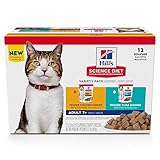
Overview: Hill’s Science Diet Adult 7+ wet food delivers targeted nutrition for senior cats in a convenient variety pack. This case includes twelve 2.8-ounce pouches featuring chicken and tuna stew recipes, specifically formulated for cats aged seven and older. As the number one veterinarian-recommended brand, it addresses age-related health concerns through science-backed ingredients.
What Makes It Stand Out: The senior-specific formulation includes essential taurine for heart health and carefully balanced minerals to support aging kidneys and bladder function. Natural fibers promote easy digestion, while omega-6s, omega-3s, and vitamin E nourish skin and coat. The stew texture appeals to older cats with dental sensitivities, and the dual-flavor variety prevents mealtime boredom.
Value for Money: Positioned in the premium tier at approximately $22-26 per case, this food costs more than grocery store brands but less than prescription diets. You’re investing in preventive nutrition backed by clinical research. Compared to Royal Canin Aging or Purina Pro Plan Senior, Hill’s offers comparable quality at a competitive price point, making it a smart investment for your senior cat’s health.
Strengths and Weaknesses: Strengths include veterinary endorsement, age-appropriate nutrient balance, easy-to-digest ingredients, and USA manufacturing. The stew texture aids hydration and appeals to picky eaters. Weaknesses involve pouch packaging that can be messy to open and store, limited flavor options compared to some competitors, and a price point that may strain tight budgets. Some cats may prefer pate over stew texture.
Bottom Line: For cat owners prioritizing veterinary-backed senior nutrition, this variety pack delivers exceptional value. While pricier than basic brands, the targeted formulation for heart, kidney, and digestive health justifies the cost. Ideal for senior cats needing gentle, nutrient-rich meals.
7. IAMS Perfect Portions Sensitive Digestion & Skin Adult Wet Cat Food Pate, Turkey Recipe, 2.6 oz. Easy Peel Twin-Pack Trays (24 Count, 48 Servings)

Overview: IAMS Perfect Portions addresses two common feline issues: sensitive digestion and skin health. This package includes 24 twin-pack trays (48 total servings) of turkey pate, each perfectly portioned at 2.6 ounces. The grain-free formula targets adult cats with dietary sensitivities, offering complete nutrition without artificial flavors.
What Makes It Stand Out: The revolutionary twin-pack design eliminates messy leftovers and guesswork—each serving is fresh with no refrigeration needed. A unique fiber blend with prebiotics and beet pulp actively supports digestive health, while omega-6 and omega-3 fatty acids promote healthy skin and coat. Added antioxidants boost immune function, creating a holistic approach to wellness.
Value for Money: With 48 individual servings per package, this offering excels in cost-per-meal efficiency at roughly $18-22. The portion-controlled format prevents food waste, effectively stretching your dollar compared to traditional cans. It competes favorably with Purina Pro Plan Sensitive Skin & Stomach, offering similar benefits at a slightly lower price point while adding the convenience factor.
Strengths and Weaknesses: Strengths include the innovative no-waste packaging, digestive-friendly formulation, grain-free recipe, and easy-peel trays that simplify feeding. The pate texture suits cats preferring smooth consistency. Weaknesses include limited protein variety (turkey only), potential for texture fatigue, and the “grain-free” disclaimer about trace cross-contact. Some environmentally-conscious owners may dislike the extra plastic packaging.
Bottom Line: IAMS Perfect Portions is ideal for busy cat owners seeking convenience without compromising on digestive and skin health support. The portion-controlled design justifies the cost by eliminating waste. Best for cats with grain sensitivities who enjoy pate texture.
8. Weruva B.F.F. OMG - Best Feline Friend Oh My Gravy!, Variety Pack, Potluck O’ Pouches, Wet Cat Food, 2.8Oz Pouches (Pack of 12)

Overview: Weruva’s B.F.F. OMG delivers a gravy-lover’s dream with six premium proteins in a single variety pack. Twelve 2.8-ounce pouches feature flavors like tuna, chicken, salmon, beef, lamb, and duck, each swimming in extra gravy. This grain-free, gluten-free recipe caters to picky eaters while maintaining strict quality standards.
What Makes It Stand Out: The “Oh My Gravy!” concept provides exceptional moisture content, crucial for urinary tract health and hydration. The variety pack includes novel proteins like lamb and duck, reducing allergy risks and preventing flavor fatigue. Weruva’s commitment to clean formulas—free from carrageenan, corn, wheat, soy, and artificial preservatives—appeals to discerning pet parents seeking transparency.
Value for Money: At approximately $16-20 per case, Weruva positions itself in the premium-natural category. While pricier than mass-market brands, the high-quality protein sources and extensive variety justify the cost. Compared to Tiki Cat or Wellness gravies, B.F.F. offers better variety-per-pack value, especially for households with finicky cats requiring rotational feeding.
Strengths and Weaknesses: Strengths include extraordinary gravy content for hydration, diverse premium proteins, clean ingredient philosophy, and palatability for picky eaters. The grain-free formula suits sensitive cats. Weaknesses involve pouch inconvenience, premium pricing that may not fit all budgets, and high tuna frequency across flavors (mercury accumulation concerns). The low-calorie density may require supplemental feeding for active cats.
Bottom Line: Weruva B.F.F. OMG excels for gravy-obsessed cats and owners prioritizing ingredient purity. The variety pack prevents boredom while ensuring adequate hydration. Though premium-priced, the quality and palatability make it worthwhile for finicky felines or those needing moisture-rich diets.
9. Sheba Gravy Indulgence Adult Wet Cat Food Salmon Entree in Extra Gravy and White Fish Entree Variety Pack, 2.6 oz. Twin-Pack Trays, (12 Count, 24 Servings) (Pack of 2)

Overview: Sheba Gravy Indulgence targets gravy aficionados with an impressive 70% gravy to 30% chunk ratio. This variety pack includes twelve twin-pack trays (24 servings) of salmon and white fish entrees, each 2.6 ounces. Formulated for all life stages, it combines hydration with complete nutrition in a convenient format.
What Makes It Stand Out: The unprecedented gravy-to-meat ratio delivers superior moisture content, ideal for cats reluctant to drink water. Real salmon and white fish provide high-quality protein without by-products or fillers. The twin-pack design ensures every meal is fresh without messy leftovers, while the grain-free, soy-free formula accommodates sensitive stomachs. Essential amino acids and healthy fats support overall vitality.
Value for Money: Priced competitively at $14-18 for 24 servings, Sheba offers middle-tier value. The twin-pack system eliminates waste, improving cost-effectiveness compared to traditional cans. While cheaper than premium brands like Weruva, it maintains higher gravy content than mainstream options like Fancy Feast, striking an appealing balance for budget-conscious gravy lovers.
Strengths and Weaknesses: Strengths include exceptional gravy content, fresh twin-pack portions, real fish proteins, and all-life-stage completeness. The formula avoids grains, corn, soy, and artificial flavors. Weaknesses include limited protein variety (only fish flavors), potential for mercury accumulation with long-term exclusive feeding, and environmental concerns about plastic tray waste. Some cats may find the texture too soupy.
Bottom Line: Sheba Gravy Indulgence is perfect for cats who prioritize gravy over meat chunks. It offers excellent hydration support at a reasonable price point. Best used as part of a rotational diet to avoid overexposure to fish proteins. Ideal for picky eaters who shun pate textures.
10. Hill’s Science Diet Adult 1-6 Perfect Weight Wet Cat Food, Variety Pack: Liver & Chicken Minced; Chicken Stew, 2.9 oz. Cans, 12-Pack

Overview: Hill’s Science Diet Perfect Weight tackles feline obesity with a clinically formulated approach for adult cats aged 1-6. This 12-can variety pack features liver & chicken minced and chicken stew recipes, each 2.9 ounces. Backed by the brand’s veterinary reputation, it promises visible weight loss results within ten weeks without compromising nutrition.
What Makes It Stand Out: Unlike simple low-calorie foods, this formula preserves lean muscle mass during weight loss—a critical distinction. The dual-texture variety maintains palatability while providing scientifically balanced nutrition. As the number one veterinarian-recommended brand, it carries clinical credibility that mass-market diet foods lack. The precise nutrient profile ensures cats feel satiated while safely shedding pounds.
Value for Money: At approximately $24-28 per case, this premium diet food costs more than standard wet food but less than prescription weight-loss diets. The clinical efficacy justifies the investment—successful weight management can prevent costly obesity-related health issues. Compared to Royal Canin Satiety or Purina Pro Plan Weight Management, Hill’s offers comparable science at a mid-range price point.
Strengths and Weaknesses: Strengths include proven weight-loss results, lean muscle preservation, veterinary endorsement, and dual-texture variety that prevents feeding boredom. The nutrient density ensures satisfaction despite calorie control. Weaknesses include the premium price, restrictive age range (not for seniors or kittens), and smaller can size requiring multiple cans for larger cats. Success demands strict portion control and owner commitment.
Bottom Line: Hill’s Perfect Weight is an evidence-based solution for overweight adult cats. The ten-week results claim is backed by research, making it worth the premium price. Ideal for owners committed to following feeding guidelines precisely. Combine with portion control and exercise for optimal results.
Why Post-Surgery Nutrition Demands Special Attention
Surgery triggers a cascade of physiological changes that skyrocket your cat’s nutritional requirements. The body shifts into hypermetabolic state, burning through calories at up to 50% higher rates than normal to fuel tissue repair, fight inflammation, and rebuild damaged cells. Simultaneously, the stress of anesthesia, pain medications, and hospitalization can suppress appetite at precisely the moment your cat needs nutrients most. This creates a dangerous gap between what they need and what they’re willing to consume. Post-surgical wet food must therefore accomplish three critical tasks: deliver concentrated nutrition in small volumes, entice a compromised appetite, and support digestive function when it’s most vulnerable.
Wet vs. Dry: The Recovery Food Showdown
The debate between wet and dry food takes on new urgency during recovery. Wet food’s 75-85% moisture content provides passive hydration—crucial when cats are reluctant to drink independently after anesthesia. The softness requires minimal chewing, sparing sore jaws or dental surgical sites. Its intense aroma acts as an olfactory stimulant for cats whose sense of smell may be dulled by medication. Dry kibble’s low moisture content can contribute to dehydration, while its carbohydrate-heavy composition offers less bioavailable protein for tissue repair. In 2026, veterinary consensus firmly positions high-moisture wet food as the gold standard for post-operative feeding protocols.
Protein: The Building Block of Surgical Recovery
Protein isn’t just important—it’s non-negotiable. Surgical trauma breaks down muscle tissue and creates open wounds that demand amino acids for collagen synthesis. Look for foods listing a named animal protein (chicken, turkey, rabbit) as the first ingredient, with a guaranteed analysis showing minimum 10% protein on a wet matter basis. The biological value matters enormously: egg whites score 100, while many plant proteins fall below 70. During recovery, your cat needs easily digestible, complete proteins that provide all essential amino acids, particularly arginine and taurine, which become conditionally essential during healing. Avoid foods where protein is padded with soy, corn gluten meal, or pea protein—these lack the amino acid profile cats require.
Hydration: The Unsung Hero of Healing
Adequate hydration supports every aspect of recovery: it maintains blood volume for nutrient delivery, flushes anesthesia metabolites through the kidneys, keeps stools soft to avoid straining after abdominal surgery, and supports the lymphatic system in clearing cellular debris. Post-operative cats often experience a 20-30% reduction in voluntary water intake. Wet food’s high moisture content compensates for this deficit, essentially turning each meal into a hydrating therapy session. In 2026, advanced formulations incorporate electrolyte balances that mirror feline plasma, further optimizing cellular hydration at the tissue level.
Caloric Density: Maximizing Nutrition in Every Bite
When appetite is diminished, every mouthful must count. Recovery foods should deliver 90-120 calories per 3-ounce can—significantly higher than standard maintenance foods. This caloric concentration ensures your cat meets energy needs without forcing large portions that might trigger nausea. Fat content plays a key role here, providing 2.25 times more calories per gram than protein. Look for moderate fat levels (5-7% minimum) from quality sources like chicken fat or fish oil, which also supply anti-inflammatory omega-3 fatty acids. The goal is achieving nutritional adequacy in 50-75% of normal portion sizes.
Digestibility: Choosing Foods That Work With Sensitive Stomachs
Post-anesthesia gastrointestinal stasis is common, with gut motility reduced for 24-72 hours. The ideal recovery food boasts a digestibility coefficient above 90%, meaning nearly all nutrients are absorbed before reaching the colon. This requires limited ingredient lists—each additional component increases the chance of fermentation and gas production in a sluggish gut. Hydrolyzed proteins, where proteins are broken into tiny peptides, offer maximum digestibility for cats with compromised pancreatic function. Avoid carrageenan and other thickening agents that can irritate inflamed intestinal linings, a formulation trend that’s gained momentum in 2026’s premium recovery diets.
The Palatability Puzzle: Enticing Finicky Post-Op Appetites
A cat that won’t eat can’t heal. Post-surgical pain, nausea from opioids, and stress create a perfect storm for food aversion. Palatability becomes a medical necessity, not a luxury. Warm food to body temperature (100-102°F) to amplify aroma—this simple trick increases intake by up to 30% in clinical studies. Foods with natural flavor enhancers like animal liver, fish broth, or yeast extract often outperform those relying on artificial palatants. The 2026 market has seen a surge in “aroma-first” formulations designed specifically for compromised appetites, using volatile compounds that stimulate feline olfactory receptors even when congestion or medication dulls senses.
Healing Nutrients Beyond Protein: What Else Matters?
While protein steals the spotlight, several micronutrients deserve equal billing. Vitamin E and selenium act as antioxidants, neutralizing free radicals generated by surgical stress. Zinc accelerates wound closure and supports immune function—deficiencies can delay healing by up to 40%. B-complex vitamins become depleted during stress and are water-soluble, requiring daily replenishment. Arginine boosts nitric oxide production, improving blood flow to healing tissues. The best recovery foods contain these at levels exceeding AAFCO minimums, often by 150-200% for the critical post-op period.
Texture Troubleshooting: Finding the Right Consistency
Texture preferences become amplified when cats feel unwell. Pâté styles offer uniform consistency that’s easy to lap up without chewing—ideal for dental surgeries or cats with mouth pain. Gravy-heavy formulas provide extra moisture but may contain more starches and fewer calories per ounce. Shredded or flaked textures can entice cats who associate pâté with medication hiding. For cats with jaw wiring or severe oral trauma, a syringe-feedable consistency is crucial—look for foods that blend smoothly with warm water into a milkshake-like texture without separating. In 2026, “texture-customizable” foods that transition from pâté to broth with added water are gaining traction.
Allergen Awareness: Steering Clear of Recovery Setbacks
Introducing new proteins during recovery is risky. A novel protein that triggers an allergic reaction adds inflammation on top of surgical trauma, compounding recovery time. Stick with proteins your cat has tolerated previously. If a diet change is necessary, choose hydrolyzed protein formulas that are hypoallergenic by design. The most common feline allergens—beef, dairy, and fish—should be avoided unless they’re established staples. Grain-free matters less than protein source; many cats react to protein, not carbohydrates. During recovery, the immune system is already primed for hypersensitivity, making this the worst time for dietary experimentation.
When to Consider Veterinary Prescription Diets
Over-the-counter foods can suffice for minor procedures, but major surgeries often warrant prescription therapeutic diets. These undergo clinical feeding trials and contain precise nutrient ratios optimized for recovery. Critical care formulas provide up to 200 calories per can and can be fed via syringe or feeding tube. GI-specific recovery diets include prebiotics like fructooligosaccharides to repopulate gut flora disrupted by antibiotics. Renal-support recovery diets balance high-quality protein with reduced phosphorus for cats with compromised kidney function. The 2026 generation of prescription diets offers condition-specific formulations that weren’t available even two years ago, making a veterinary consultation more valuable than ever.
Label Literacy: Becoming a Savvy Ingredient Detective
Marketing claims like “premium” and “natural” have no regulatory meaning. Focus on the guaranteed analysis and ingredient list. The first five ingredients constitute roughly 80% of the food—ensure they’re all animal-based proteins or broths. “Meat by-products” aren’t inherently bad; organ meats are nutrient-dense, but they should be named (chicken liver, not “poultry by-products”). Avoid foods with generic “meat meal” or ambiguous protein sources. Check for the AAFCO statement—look for “formulated to meet nutritional levels” rather than “feeding trials,” as the latter may not reflect recovery needs. In 2026, transparency trends have pushed more brands to disclose digestibility percentages and amino acid profiles—seek out this data.
Strategic Feeding: Timing, Portions, and Methods
Don’t wait for your cat to ask for food. Offer tiny portions (1-2 teaspoons) every 2-3 hours starting 6-12 hours post-surgery, depending on your vet’s guidance. This prevents overwhelming the stomach while maintaining steady nutrient delivery. Use flat, shallow dishes that don’t brush against whiskers—whisker fatigue is real and can deter eating. Elevate the food bowl slightly to reduce strain on abdominal incisions. For cats refusing solids, warm the food and offer the “gravy” first to stimulate appetite. Syringe feeding should be a last resort, but having a high-calorie gel supplement on hand provides a backup plan. Track intake meticulously; a 3-pound cat needs at least 150 calories daily just for maintenance.
Recovery Red Flags: When to Call Your Vet
No food is a magic bullet if complications arise. Contact your veterinarian immediately if your cat refuses all food for 24 hours, vomits more than twice, or shows signs of lethargy beyond expected post-op sedation. Diarrhea lasting more than 48 hours can indicate malabsorption or infection. Sudden swelling at the incision site combined with decreased appetite may signal internal complications. A cat that eats ravenously but continues losing weight isn’t absorbing nutrients properly. These signs override any nutritional strategy and require medical intervention. The best recovery food in the world can’t fix a surgical complication or infection.
Budget Considerations: Balancing Quality and Cost
Premium recovery nutrition represents an investment, but strategic choices prevent waste. Calculate cost per calorie, not per can—a $3 can at 120 calories is cheaper than a $1.50 can at 40 calories if it prevents buying three cans daily. Buy single cans or variety packs initially to test palatability before committing to a case. Many veterinary clinics offer recovery food at cost or provide samples. Prescription diets often seem pricier but prevent secondary complications that cost far more in follow-up visits. In 2026, subscription services with veterinary approval processes offer 20-30% savings on therapeutic diets, making premium nutrition more accessible.
Frequently Asked Questions
How soon after surgery should I offer my cat wet food?
Most cats can receive tiny amounts (1 teaspoon) of wet food 6-12 hours post-surgery, once they’re fully awake and showing interest in their surroundings. Always confirm timing with your surgeon, as procedures involving the GI tract may require longer fasting. Start with the water drained from a can of tuna or the “gravy” from a favorite wet food to test tolerance before offering solids.
What if my cat refuses the recovery food I purchased?
Cats often reject unfamiliar foods when feeling unwell. Return to their pre-surgery favorite temporarily—eating something is better than eating nothing. You can boost its recovery value by mixing in a teaspoon of meat-only baby food (no onions/garlic) or a high-calorie gel supplement. Warm the food to body temperature and offer it on your finger tip to encourage sampling.
Are grain-free foods better for post-surgery recovery?
Not necessarily. The protein source matters far more than grain content. Some grain-free formulas replace grains with legumes that are harder to digest. Unless your cat has a diagnosed grain allergy, a easily digestible food with rice or oatmeal may be gentler on a sensitive post-op gut than a legume-heavy grain-free option.
Can I home-cook food for my cat during recovery?
Home-cooked diets risk nutritional imbalances precisely when completeness matters most. If you must cook, use a veterinary nutritionist-formulated recipe (not internet recipes) and add a complete feline vitamin/mineral supplement. Even then, commercial recovery diets are preferable—they’re sterile, precisely balanced, and designed for maximum digestibility. Reserve home-cooking for extreme palatability failures after consulting your vet.
How long should I feed recovery-specific food?
Continue recovery-level nutrition for at least 7-10 days post-surgery, or until sutures are removed and your cat resumes normal activity. For major procedures like fracture repairs or abdominal surgeries, maintain for 2-3 weeks. Gradually transition back to maintenance food over 5-7 days by mixing increasing amounts of regular food with the recovery formula.
My cat is on pain medication that causes constipation. What food helps?
Look for wet foods with added fiber (0.5-1% crude fiber) from pumpkin or psyllium, but ensure the primary focus remains high protein. Adequate hydration is paramount—add 1-2 tablespoons of warm water to each meal. Some recovery diets now include gentle stool softeners like docusate sodium, but never add human medications without veterinary direction.
Is raw food appropriate during recovery?
Absolutely not. Raw diets pose infection risks that are dangerous for any cat but catastrophic for a post-surgical patient with an open incision and potentially compromised immune system. The bacteria in raw food can seed surgical sites and cause systemic infections. Stick with commercially cooked, sterile formulas until your vet clears your cat for regular diet resumption.
How do I know if the food is actually helping my cat heal?
Track weight daily (same time, before eating). Stable or slowly increasing weight is the best indicator. Incision healing should progress steadily—redness and swelling should decrease daily. Energy levels should improve noticeably by day 3-5. If these markers stall or regress despite good food intake, the diet may not be meeting needs or absorption issues exist.
Should I supplement the recovery food with vitamins or probiotics?
High-quality recovery foods are complete and balanced—additional supplements can create imbalances. However, if your cat was on antibiotics, a feline-specific probiotic given 2-3 hours after medication can help repopulate gut flora. Choose products with documented feline strains like Enterococcus faecium. Never add human supplements, especially fat-soluble vitamins that can accumulate to toxic levels.
What’s the single most important feature in a post-surgery wet food?
While all factors matter, palatability trumps everything. A nutritionally perfect food that your cat won’t eat delivers zero benefit. Prioritize foods your cat has reliably eaten before that also meet recovery criteria. The “best” food is ultimately the one your cat will consistently consume during this critical healing window. Everything else is secondary to getting calories into your recovering cat.
See Also
- 10 Expert-Recommended Urinary Health Wet Cat Food for Male Cats in 2026
- 10 Expert-Recommended Wet Cat Food for Kittens with Allergies in 2026
- 10 Expert-Recommended Wet Cat Food for Dehydration Prevention in 2026
- 10 Expert-Recommended High Protein Wet Cat Food for Muscle Maintenance in 2026
- 10 Expert-Recommended Wet Cat Food for Urinary Health in 2026