Table of Contents
Cats are creatures of habit—refined, particular, and often enigmatic in their preferences. When your feline companion starts avoiding the litter box, it’s more than just a messy inconvenience; it’s a cry for help written in behavior. While stress, territorial issues, or poor hygiene can contribute, one of the most overlooked yet critical factors lies in what’s going into your cat’s bowl. Urinary tract problems, especially in male cats, are not only painful but potentially life-threatening if left unaddressed. And here’s the surprising truth: your cat’s diet, particularly their moisture intake, plays a pivotal role in preventing these issues.
Dry kibble may be convenient, but it falls drastically short in providing the hydration cats need. Cats evolved as desert animals with a low thirst drive, meaning they rely heavily on moisture from food to support kidney and urinary tract function. That’s where wet cat food steps in—not just as a treat, but as a therapeutic tool. The best wet foods for urinary health are formulated to promote hydration, maintain optimal urine pH, and reduce the risk of crystal formation. In this comprehensive guide, we’ll dive deep into what sets these formulas apart and how to choose one that truly supports your cat’s long-term well-being.
Top 10 Wet Cat Food For Urinary
Detailed Product Reviews
1. Purina Pro Plan Urinary Tract Health Pate Cat Food Variety Pack, Turkey and Giblets, and Ocean Whitefish Entrees - (Pack of 12) 5.5 oz. Cans

Overview:
This Purina Pro Plan variety pack offers 12 cans of pate-style wet cat food designed to support urinary tract health in adult cats. Featuring real turkey and giblets or ocean whitefish, it combines high protein with targeted nutrition to maintain healthy urinary function.
What Makes It Stand Out:
The formula reduces urinary pH and limits dietary magnesium, helping prevent crystal formation. Made without artificial colors or preservatives, it includes taurine and 25 essential vitamins and minerals. The rich pate texture appeals to picky eaters, and it’s manufactured in U.S.-owned facilities.
Value for Money:
Priced competitively for a premium brand, the 5.5 oz. portion size offers hearty meals. While the pack of 12 is smaller than others, the high-quality ingredients and urinary health focus justify the cost, especially for cats with sensitive systems.
Strengths and Weaknesses:
Strengths: Supports urinary health, high in protein, no artificial additives, palatable flavors, U.S.-made.
Weaknesses: Limited flavor variety (only two), higher price per ounce than grocery brands.
Bottom Line:
A reliable, vet-trusted option for cats needing urinary support, this variety pack combines nutrition and taste in a convenient format—ideal for pet owners prioritizing health and quality.
2. Purina Pro Plan Urinary Cat Food Wet Variety Pack Urinary Tract Health Ocean Whitefish, Chicken, Turkey and Giblets - (Pack of 24) 3 oz. Cans

Overview:
This 24-can variety pack delivers urinary tract support in small 3 oz. portions, featuring real ocean whitefish, chicken, and turkey and giblets. Designed for adult cats, it promotes urinary health while encouraging hydration through high-moisture content.
What Makes It Stand Out:
The formula reduces urinary pH and magnesium intake while offering high digestibility for optimal nutrient absorption. It contains taurine and 25 essential vitamins and minerals. The compact size is ideal for portion control or multi-cat households.
Value for Money:
With more cans than other packs, this option offers better long-term value, especially for owners managing urinary issues. The smaller serving size reduces waste and allows meal variety, though more cans are needed per feeding.
Strengths and Weaknesses:
Strengths: Supports hydration and urinary health, high protein, no artificial additives, diverse flavors, U.S.-manufactured.
Weaknesses: Smaller can size may not satisfy larger cats, frequent repurchasing needed.
Bottom Line:
An excellent choice for urinary care with the convenience of variety and portion control—perfect for caregivers seeking a trusted, high-quality wet food in manageable servings.
3. Purina Pro Plan Urinary Tract Wet Cat Food Variety Pack Urinary Tract Health Beef and Chicken Entrees - (Pack of 12) 5.5 oz. Cans

Overview:
This 12-can pack features two savory entrees—Chicken in Gravy and Beef and Chicken Classic—formulated to support urinary tract health in adult cats. Each 5.5 oz. can delivers high-protein, low-magnesium nutrition in a palatable, gravy-rich format.
What Makes It Stand Out:
The recipe reduces urinary pH and limits magnesium to prevent crystal formation. Made with real beef and chicken, it’s highly digestible and enriched with taurine and 25 essential nutrients. No artificial preservatives are used, and it’s made in Purina-owned U.S. facilities.
Value for Money:
While the pack size is modest, the generous 5.5 oz. servings make it cost-effective per meal. Ideal for cats needing urinary support without sacrificing taste, it competes well against specialty veterinary diets.
Strengths and Weaknesses:
Strengths: Promotes urinary health, rich in protein, appealing gravy texture, U.S.-made, no artificial preservatives.
Weaknesses: Only two flavor options, not ideal for cats with poultry or beef sensitivities.
Bottom Line:
A nutritious, flavorful option for urinary care, this variety pack is a solid investment for pet owners seeking premium, vet-recommended support in a satisfying, gravy-filled format.
4. Royal Canin Feline Care Nutrition Urinary Care Adult Thin Slices in Gravy Cat Food, 3 oz (Pack of 12)

Overview:
Royal Canin’s Urinary Care formula features thin slices in gravy to support urinary tract health in adult cats. This 12-can pack uses a scientifically balanced approach to promote healthy urine concentration and mineral regulation.
What Makes It Stand Out:
The formula is designed to maintain ideal urine pH and mineral balance, helping prevent crystal formation. Its “instinctively preferred” profile enhances palatability, while the gravy-rich texture encourages hydration—a key factor in urinary health.
Value for Money:
Priced at a premium, it delivers targeted nutrition comparable to veterinary diets. The 3 oz. size suits portion control, though it may require multiple cans per meal for larger cats. Works well as part of a mixed-feeding routine.
Strengths and Weaknesses:
Strengths: Precisely balanced for urinary health, promotes hydration, highly palatable, supports overall nutrition, ideal for mixed feeding.
Weaknesses: Smaller portion size, higher cost per ounce, limited flavor variety.
Bottom Line:
A top-tier choice for proactive urinary care, Royal Canin’s science-backed formula and appealing texture make it a worthwhile option for health-conscious cat owners.
5. Hill’s Science Diet Urinary Hairball Control, Adult 1-6, Urinary Track Health & Hairball Control Support, Wet Cat Food, Chicken Minced, 2.9 oz Can, Case of 12

Overview:
Hill’s Science Diet combines urinary tract support with hairball control in this 12-can pack of minced chicken wet food. Designed for adult cats aged 1–6, it addresses two common feline health concerns in one scientifically formulated meal.
What Makes It Stand Out:
This formula maintains healthy urinary pH with optimal magnesium levels while using natural fiber to reduce hairballs. Enriched with omega-3s, omega-6s, and vitamin E, it also supports skin and coat health. It’s the #1 veterinarian-recommended brand.
Value for Money:
Though slightly smaller at 2.9 oz., the dual-action health benefits justify the price. The minced texture is highly palatable and easy to digest, making it a cost-effective solution for cats with multiple needs.
Strengths and Weaknesses:
Strengths: Dual urinary and hairball support, vet-recommended, promotes skin and coat health, made with trusted ingredients.
Weaknesses: Only one flavor, small can size, not ideal for cats needing larger portions.
Bottom Line:
An excellent choice for cats prone to both urinary issues and hairballs, this Hill’s formula delivers targeted, vet-backed nutrition in a convenient, digestible format.
6. Hill’s Science Diet Adult 1-6 Urinary Hairball Control Wet Cat Food, Variety Pack: Chicken, Tuna & Vegetables Stew, 2.9 oz. Cans, 12-Pack

Overview:
Hill’s Science Diet Adult 1-6 Urinary Hairball Control is a wet cat food variety pack designed to support urinary tract health while addressing hairball issues in adult cats aged 1 to 6. Featuring three flavors—chicken, tuna, and vegetables stew—this 12-pack offers mealtime variety in a convenient 2.9 oz can size.
What Makes It Stand Out:
This formula uniquely combines urinary support with hairball control, a rare dual benefit in therapeutic cat foods. It contains optimal magnesium levels to maintain healthy urine pH and reduce crystal formation, while natural fiber helps move ingested hair through the digestive tract. Enriched with omega-6 fatty acids and vitamin E, it promotes skin health and a shiny coat.
Value for Money:
While priced slightly higher than standard wet foods, the dual health benefits and Hill’s veterinary reputation justify the cost. The 12-can pack offers flexibility for trying the formula before committing to larger purchases.
Strengths and Weaknesses:
Strengths: Dual urinary and hairball support, natural ingredients, vet-recommended brand, palatable variety. Weaknesses: Smaller can size may not suit larger cats, short pack quantity, no grain-free option.
Bottom Line:
An excellent choice for cats needing both urinary and hairball management, offering science-backed nutrition in a tasty, varied format.
7. Royal Canin Feline Care Nutrition Urinary Care Adult Thin Slices in Gravy Cat Food, 3 oz (Pack of 6)

Overview:
Royal Canin Urinary Care Thin Slices in Gravy is a wet cat food formulated to promote urinary tract health in adult cats. Each 3 oz can contains finely sliced pieces in savory gravy, designed for cats with sensitive digestion or specific urinary needs.
What Makes It Stand Out:
This formula is engineered to maintain healthy urine concentration by precisely balancing minerals like magnesium and phosphorus. Its thin slices enhance palatability, and the moisture-rich gravy encourages hydration—a key factor in preventing urinary issues. It’s also part of Royal Canin’s mixed-feeding system, allowing seamless integration with dry food.
Value for Money:
The 6-can pack is best for trial or short-term use, though it’s relatively expensive per ounce. However, its targeted nutrition and high acceptance among picky eaters add value for cats with medical dietary needs.
Strengths and Weaknesses:
Strengths: Promotes hydration, supports urinary health, highly palatable texture, ideal for mixed feeding. Weaknesses: Small pack size, higher price point, limited availability in stores.
Bottom Line:
A premium, vet-quality option for cats requiring urinary support, especially beneficial when hydration and palatability are concerns.
8. Purina Pro Plan Urinary Tract Health Chicken Entree in Gravy Cat Food - (Pack of 24) 3 oz. Pull-Top Cans

Overview:
Purina Pro Plan Urinary Tract Health Chicken Entree is a wet cat food designed to support feline urinary health. This 24-can pack features real chicken in gravy, offering a high-protein, low-magnesium formula suitable for adult cats prone to urinary issues.
What Makes It Stand Out:
The formula reduces urinary pH and limits magnesium intake to discourage crystal formation. Made with real chicken as the primary ingredient, it’s highly palatable and easy to digest. Each can is pull-top for convenience, and the product contains no artificial preservatives.
Value for Money:
With 24 cans at a competitive price, this pack offers excellent value for long-term use. Its U.S. manufacturing and inclusion of taurine and 25 essential nutrients enhance its cost-effectiveness.
Strengths and Weaknesses:
Strengths: Large quantity, affordable per can, real chicken ingredient, risk-free trial offer, supports overall health. Weaknesses: Gravy may not appeal to all cats, limited to chicken flavor here.
Bottom Line:
A reliable, budget-friendly urinary health option that doesn’t compromise on quality or taste.
9. Hill’s Science Diet Urinary Hairball Control, Adult 1-6, Urinary Track Health & Hairball Control Support, Wet Cat Food, Chicken Minced, 2.9 oz Can, Case of 24

Overview:
Hill’s Science Diet Urinary Hairball Control is a chicken-minced wet food in a 24-can case, formulated for cats aged 1–6 needing dual support for urinary and hairball issues. This product combines clinical nutrition with palatable texture.
What Makes It Stand Out:
It’s one of the few formulas that simultaneously targets urinary health and hairball reduction. The optimal magnesium levels help maintain a healthy urinary pH, while natural fiber aids in moving hair through the digestive system. Enriched with omega-3, omega-6, and vitamin E, it supports skin and coat health.
Value for Money:
Buying in bulk (24 cans) reduces per-unit cost. As the #1 veterinarian-recommended brand, it offers trusted nutrition at a reasonable price for a therapeutic diet.
Strengths and Weaknesses:
Strengths: Dual-action formula, vet-recommended, made in the USA, supports skin and coat. Weaknesses: Only chicken flavor, smaller 2.9 oz cans, may not suit cats over 6 years.
Bottom Line:
A top-tier choice for younger adult cats with concurrent urinary and hairball concerns, delivering clinical benefits in a trusted, convenient format.
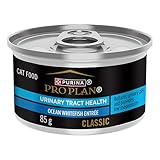
10. Purina Pro Plan Urinary Tract Cat Food Wet Pate, Urinary Tract Health Ocean Whitefish Entree - (Pack of 24) 3 oz. Pull-Top Cans
Overview:
Purina Pro Plan Urinary Tract Health Pate features ocean whitefish in a smooth pate texture, designed to support urinary health in adult cats. This 24-can pack provides a high-protein, low-magnesium diet in a convenient pull-top format.
What Makes It Stand Out:
The formula reduces urinary pH and limits dietary magnesium to help prevent crystal formation. Made with real ocean whitefish, it appeals to cats with discerning tastes. The pate texture is highly digestible and free from artificial colors or preservatives.
Value for Money:
Offering 24 cans at a mid-range price, this product delivers excellent long-term value. Its U.S.-based manufacturing and risk-free trial add consumer confidence.
Strengths and Weaknesses:
Strengths: Palatable pate texture, real whitefish, supports urinary health, no artificial additives, large pack. Weaknesses: Pate may not suit all cats, single flavor in this pack.
Bottom Line:
A highly effective, tasty urinary health solution that combines quality ingredients with clinical nutrition for optimal feline wellness.
Understanding Litter Box Avoidance and Urinary Health
Litter box avoidance is often a symptom, not a behavior to be punished. When a cat suddenly stops using their litter tray, it’s crucial to rule out medical causes before assuming defiance. Urinary tract infections (UTIs), bladder inflammation (feline lower urinary tract disease, or FLUTD), and the formation of struvite or calcium oxalate crystals are common culprits. These conditions cause pain and urgency, leading cats to associate the litter box with discomfort.
Because cats instinctively hide signs of illness, changes in toileting habits are among the earliest red flags. Left untreated, FLUTD can progress to urinary blockages—a medical emergency, especially in males. The good news? Many of these issues are preventable through proper nutrition. Hydration is the cornerstone, and wet food is the most effective way to deliver it.
The Critical Role of Hydration in Feline Urinary Health
Cats naturally consume little water, a trait inherited from their desert-dwelling ancestors. In the wild, they obtained most of their moisture from prey. Domestic cats, however, are often fed dry food containing only 10–12% moisture, compared to the 70–80% found in wet food. This chronic low moisture intake leads to concentrated urine, increasing the risk of crystal formation and urinary irritation.
Well-hydrated cats produce more dilute urine, which helps flush out minerals and prevents the buildup of harmful crystals. Wet food acts like a continuous IV drip of hydration, supporting kidney function and reducing the pH swings that contribute to stone development. Increasing moisture through diet is far more effective than trying to get a finicky cat to drink more water.
How Wet Food Supports Urinary Tract Function
Beyond hydration, premium wet cat foods are engineered with urinary health in mind. Many are formulated to maintain a slightly acidic urine pH (around 6.2 to 6.5), which discourages the formation of struvite crystals. At the same time, they limit excessive magnesium, which, while essential, can contribute to crystal development when present in high concentrations.
These diets also support bladder lining integrity with ingredients like glycosaminoglycans (GAGs) or cranberry extracts, which may help prevent bacterial adhesion. While no food can guarantee immunity from urinary issues, the right wet food can significantly lower the risk and support recovery in cats with a history of FLUTD.
Key Nutrients to Look for in Urinary Health Formulas
When evaluating wet foods for urinary support, focus on the nutrient profile, not just marketing claims. High-quality animal protein should be the primary ingredient—cats are obligate carnivores and require taurine, arginine, and other amino acids found only in meat. Avoid formulas that rely on plant-based proteins or unnamed by-products.
Look for moderate magnesium levels (typically under 0.1% on a dry matter basis), balanced phosphorus, and enhanced moisture content. Some formulas include DL-methionine, an amino acid that helps acidify urine naturally. Omega-3 fatty acids from fish oil can also reduce inflammation in the urinary tract, providing additional support.
The Problem with Fillers and Artificial Additives
Fillers like corn, wheat, and soy do more than dilute nutritional value—they can trigger inflammation and digestive upset. Artificial preservatives such as BHA, BHT, and ethoxyquin have raised health concerns and offer no benefit to your cat. Natural preservatives like mixed tocopherols (vitamin E) are safer and more appropriate for long-term feeding.
Artificial colors and flavors serve only to appeal to human buyers, not cats. A food designed for urinary health should prioritize clean, digestible ingredients without unnecessary chemicals that could stress the kidneys or bladder.
Grain-Free vs. Grain-Inclusive: What’s Best?
The grain-free trend has gained popularity, but it’s not always necessary for urinary health. While some cats benefit from grain-free diets due to allergies or sensitivities, grains themselves are not a direct cause of urinary issues. In fact, some grain-inclusive formulas use digestible carbohydrates that support overall nutrition without spiking urine pH.
The real issue lies in low-quality carbohydrates and fillers, not grains per se. What matters most is the overall balance of protein, fat, moisture, and minerals. Focus on ingredient quality rather than marketing labels.
Texture and Palatability: Getting Your Cat to Eat It
Even the most scientifically advanced formula won’t help if your cat refuses to eat it. Cats are notoriously picky, and texture plays a huge role in acceptance. Some prefer pâté, others shredded cuts in gravy, while some go for mousse or flaked varieties.
Introduce new foods gradually, mixing small amounts with familiar food. Warming the food slightly can enhance aroma and appeal. If your cat has a history of urinary issues, persistence is key—finding a formula they love that also supports their health is a win on all fronts.
Life Stage and Special Needs Considerations
Not all urinary health formulas are created equal across life stages. Kittens, for example, have different nutritional needs than seniors. Feeding a senior urinary support formula to a growing kitten could lead to nutrient imbalances.
Similarly, cats with concurrent conditions like kidney disease or diabetes require specialized diets. Always consult your veterinarian before switching foods, especially if your cat has a medical history. Some urinary formulas are prescription-only, while others are available over the counter with science-backed formulations.
Reading Labels Like a Pro: Decoding Pet Food Claims
Pet food labeling can be confusing. Terms like “urinary health,” “supports bladder function,” or “promotes hydration” aren’t regulated, so they can be used loosely. To make informed choices, go beyond the front label and study the guaranteed analysis and ingredient list.
Convert nutrient levels to a dry matter basis for accurate comparisons. For example, to assess protein content, subtract the moisture percentage from 100, then divide the listed protein by that number and multiply by 100. This allows fair comparison between wet and dry foods.
The Importance of Veterinary Guidance
While over-the-counter urinary support foods can be effective, they’re not a substitute for veterinary care. If your cat is showing signs of urinary distress—frequent trips to the litter box, straining, blood in urine, or vocalizing during urination—seek immediate veterinary attention.
Your vet can perform urinalysis, urine culture, and imaging to diagnose the underlying cause. They may recommend a prescription diet tailored to your cat’s specific mineral imbalances or pH needs. Even when using non-prescription foods, periodic checkups help monitor urinary health proactively.
Portion Control and Feeding Schedules
Overfeeding can contribute to obesity, which increases the risk of FLUTD. Follow feeding guidelines based on your cat’s weight and activity level, and adjust as needed. Divide daily portions into multiple small meals to mimic natural hunting patterns and support consistent hydration.
Free-feeding wet food isn’t recommended due to spoilage and bacterial growth. Instead, offer meals at set times and remove uneaten food after 30–60 minutes. This encourages appetite and maintains food safety.
Transitioning to a New Wet Food Safely
Cats thrive on routine, so sudden diet changes can lead to gastrointestinal upset or rejection. Transition over 7–10 days, starting with 25% new food mixed with 75% old. Gradually increase the proportion of new food while monitoring for soft stools, vomiting, or appetite loss.
If your cat refuses the new food, try different textures or warming it slightly. Patience and consistency are key—don’t give up after one failed attempt.
Monitoring Your Cat’s Response
After switching to a urinary-supportive wet food, track changes in litter box habits, urine volume, and overall behavior. Increased water intake, more frequent urination, and reduced straining are positive signs.
Regular veterinary checkups, including urine specific gravity and pH testing, provide objective data on whether the diet is working. Early detection of changes can prevent full-blown crises.
Environmental Factors That Complement Diet
Diet is powerful, but it’s only one piece of the puzzle. Stress is a major trigger for FLUTD. Ensure your home has multiple litter boxes (one per cat plus one extra), placed in quiet, accessible areas. Use unscented, soft litter and clean boxes daily.
Provide enrichment—scratching posts, climbing spaces, playtime—to reduce anxiety. A calm, predictable environment supports both mental and urinary health.
Frequently Asked Questions
Why won’t my cat use the litter box even after switching to wet food?
Litter box avoidance can have multiple causes, including stress, litter type, box location, or underlying medical issues. While wet food improves hydration and urinary health, it may not resolve behavioral or environmental factors. A full veterinary checkup and environmental assessment are recommended.
How much wet food should I feed my cat for urinary health?
Most adult cats do well with 4–6 ounces of wet food per day, split into two meals. However, exact amounts depend on your cat’s weight, age, and activity level. Always follow feeding guidelines on the food label and adjust based on body condition.
Can dry food ever be part of a urinary health diet?
While wet food is superior for hydration, some urinary-support dry foods can be used as a supplement—not a replacement. If feeding dry, ensure your cat has constant access to fresh water and consider adding water to their kibble.
Are prescription urinary diets better than over-the-counter options?
Prescription diets are formulated to manage specific medical conditions and often have stricter control over mineral content and pH modulation. For cats with recurrent issues, they may be more effective. However, some OTC formulas are scientifically designed and can be suitable for maintenance.
How quickly can I expect to see improvement after switching foods?
Some cats show improvement in litter box habits within days, especially if dehydration was a factor. However, full urinary tract stabilization may take 2–4 weeks. Monitor behavior and consult your vet if symptoms persist.
Is grain-free necessary for urinary health?
No, grain-free is not inherently better for urinary health. What matters is high-quality protein, moisture content, and balanced minerals. Some grain-inclusive formulas are excellent, while some grain-free options may use high-starch substitutes that aren’t beneficial.
Can I mix different brands of wet food for variety?
Yes, as long as all formulas support urinary health and are nutritionally complete. Mixing can prevent boredom and encourage eating, but introduce new brands gradually to avoid digestive upset.
Do indoor cats need urinary support diets more than outdoor cats?
Indoor cats are at higher risk for FLUTD due to lower activity levels, stress from multi-cat households, and often being fed dry-only diets. Proactive urinary support through wet food is especially important for indoor cats.
Can treats affect my cat’s urinary health?
Yes, especially if they’re high in minerals like magnesium or phosphorus. Stick to urinary-safe treats or use small portions of their wet food as rewards. Always factor treats into your cat’s daily calorie intake.
How often should I have my cat’s urine checked?
Cats with a history of urinary issues should have urine tests every 6–12 months, or as recommended by your vet. Even healthy cats benefit from annual screening, especially as they age. Early detection is key to prevention.
See Also
- 10 Best Wet Cat Food for Urinary Health This Year
- 10 Expert-Recommended Urinary Health Wet Cat Food for Male Cats in 2026
- Stop Food Boredom with the 10 Best Rotational Wet Cat Food Packs This Year
- 10 Expert-Recommended Wet Cat Food for Urinary Health in 2026
- 10 Wet Cat Food That Solve Urinary Health Problems in Male Cats in 2026